



DRIVEN by a desire to equip students, particularly those who are not academically inclined with essential soft skills, two friends, Inna Lee and Chew Chee Tatt, founded a non-governmental organisation called Penang SEED two years ago.
Today, Penang SEED runs its Academic Mentor Program (AMeP) for some 90 students across three centres: the first at PPR Taman Manggis, the second in a mosque facility in Permatang Damar Laut, and the third in a school in George Town.
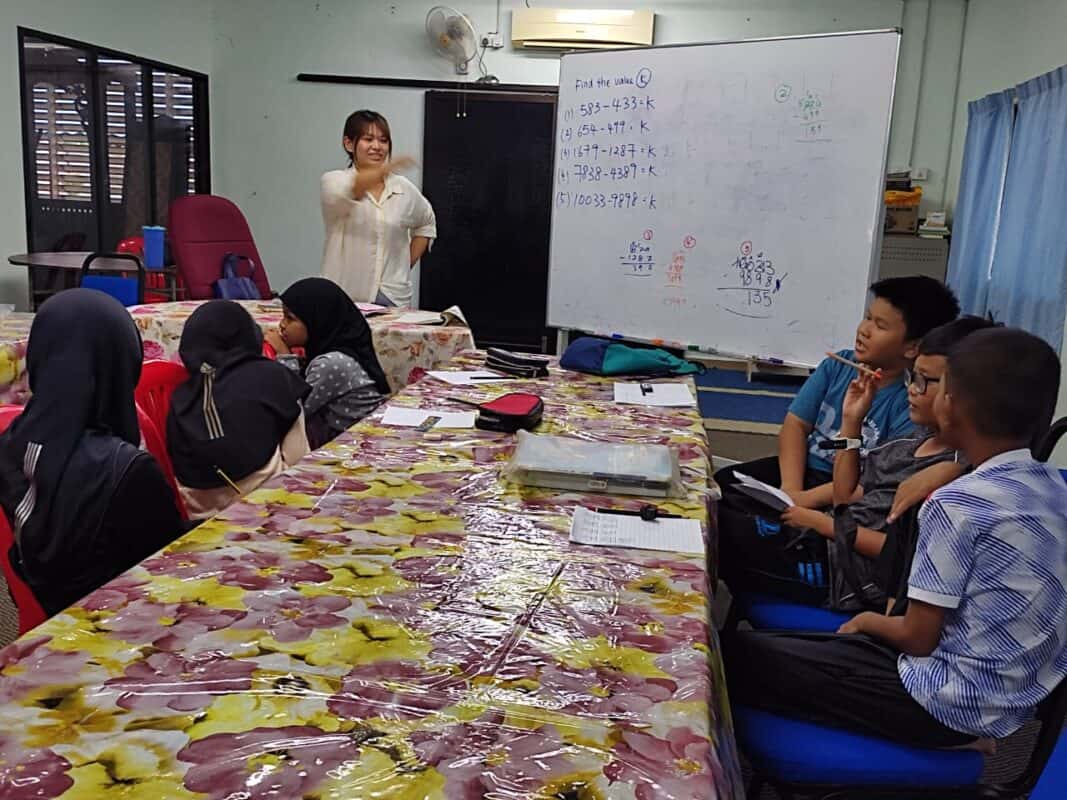
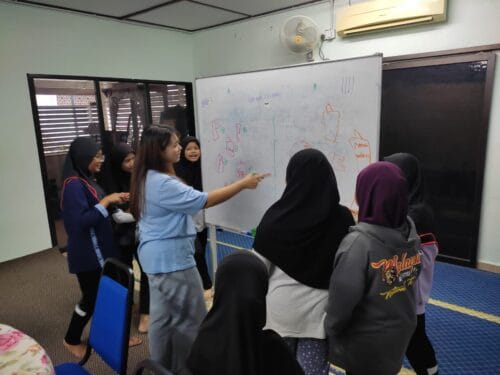
“We are both involved in education and through our experiences, we realised that many students, especially those from the B40 group, lack soft skills,” said Inna, who is the chairman of Penang SEED.
“Even college students who have done reasonably well in their studies often struggle with presentations — what more those from underprivileged backgrounds.
“By equipping them with soft skills such as communication and decision-making, we’re helping to open doors to better employment opportunities.”

Chew, the organisation’s secretary, expressed his gratitude to the mosque management for providing a space to run the programme in Permatang Damar Laut, as well as to the students’ parents for their continued support.
When asked about the main challenge they face, Chew pointed to a lack of public support.
“Education is the key that unlocks everything. Through the knowledge we share, we hope to instil a sense of responsibility in the students as they begin to chart their career paths.
“We’re happy to see a change in some of them. During group discussions, they show keenness to discover new things. Some Standard Six students were excited to give their first-ever presentations. We’re happy to be able to provide that platform,” he shared.
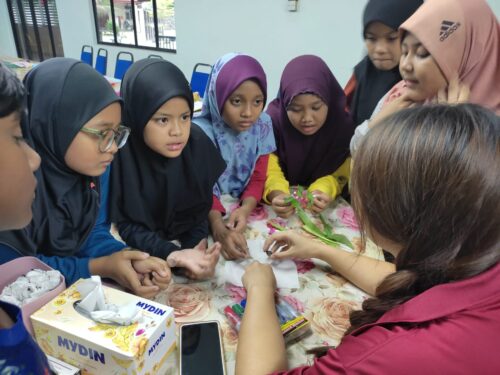
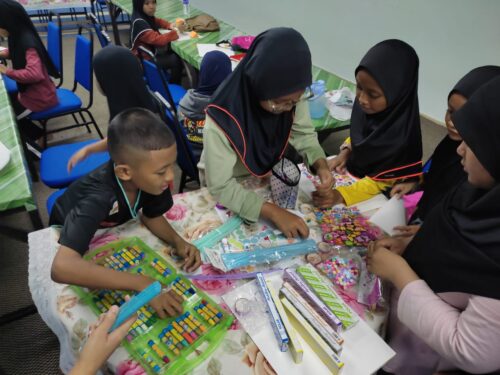
Inna and Chew emphasise that AMeP is not a conventional tuition class, but one that builds soft skills through interactive presentations and a range of engaging activities. Each programme cycle runs for one year.
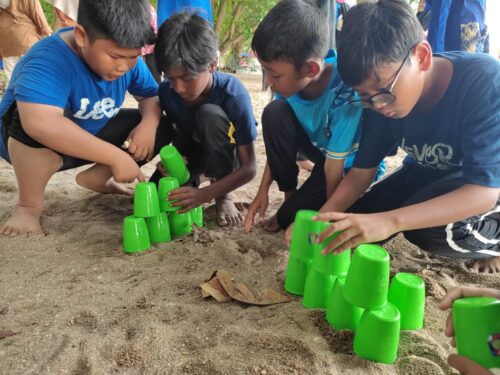

While they lead most of the sessions themselves, they also receive help when needed. Retired schoolteachers have stepped in to guide students during SPM workshops, and when the workshops are large, college and university students volunteer their time to assist. Inna and Chew note that these student volunteers often serve as role models, inspiring participants to pursue higher education through their interactions.
The duo also credit Penang SEED’s adviser, Dr Lee Eng Wah, chief executive officer of The Learning Kingdom Education, for contributing valuable ideas. Dr Lee regularly shares educational insights gleaned from his international travels, helping Penang SEED stay innovative in its approach.
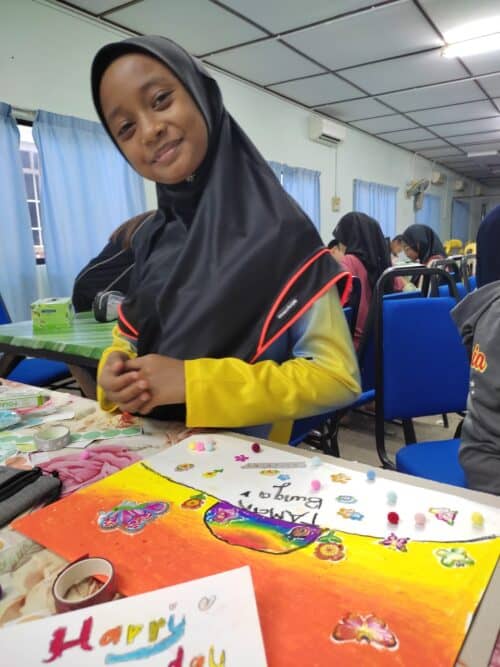
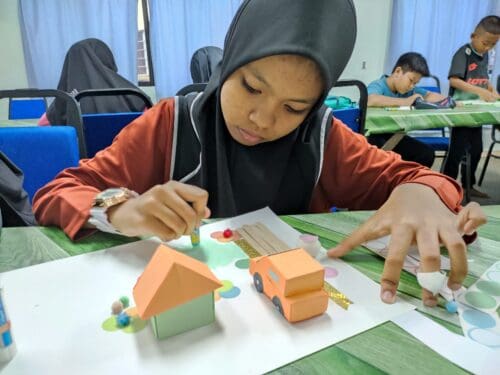
As part of its community-building efforts, Penang SEED organises an annual festive charity walk aimed not only at raising funds but also at fostering racial harmony. In 2023, the organisation hosted the ‘Light in George Town’ Mid-Autumn Charity Lantern Walk, which drew hundreds of multiracial students from 27 schools, fostering a strong ‘muhibbah’ spirit.
This year, Inna announced that Penang SEED, in collaboration with the Penang State Department of National Unity, the Penang Island City Council (MBPP), JCI Tanjung Bunga, MPKK Pykett Avenue/Northam Road, SEGi College Penang, and several other partners, will organise the Jalan Amal Perpaduan Belia Peringkat Negeri Pulau Pinang 2025 (Penang Youth Unity Charity Run 2025). The event will be held at SEGi College, Green Hall, on June 22.
She expects around 1,500 participants from various ethnic backgrounds across the state to take part.
“We hope to raise RM50,000 to expand our AMeP programme to Seberang Perai, most likely in Bukit Mertajam,” Inna said.
“We’ve received many requests to start a programme there. We would love to expand to more areas, but we need to find the right people who share our vision to run these programmes effectively.”
At a recent press conference announcing the upcoming event, Dr Lee also unveiled a new fundraising initiative titled “RM10 to Light Up the Future”, which aims to provide a simple and accessible way for the public to contribute towards the education of underprivileged children.
“Education is a powerful tool for change. With collective effort, we can build a united and prosperous society,” he said.

JCI Tanjung Bunga president Helen Leang, who was also present, voiced her organisation’s strong support for the AMeP initiative, noting that it aligns closely with their mission to empower active citizens who drive positive change in their communities.
“The effort to raise funds for underprivileged students is not only a testament to our compassion as a society but also a reflection of our belief that education is a right for all, regardless of background. With the right academic guidance, these children can unlock their potential and change the course of their lives and that of their families,” she said.
“At JCI Tanjung Bunga, we believe education is the key to progress and social equity. It opens doors to opportunity, breaks the cycle of poverty, and nurtures a more just and inclusive society.”
She added that initiatives like AMeP can only succeed through collaboration across all levels of society.
“Efforts like this require partnerships among NGOs, educational institutions, government agencies, the private sector, and compassionate individuals. That is the true strength of unity. When we come together, embracing our differences and working hand in hand toward a shared goal, we are not merely building a programme. We are building hope.”
Story by K.H. Ong
Pix by Siew Chia En and courtesy of Penang SEED and JCI Tanjung Bunga