


PROLONGED land acquisition matters and negotiations over utility relocation have been identified as among the main factors contributing to delays in the Jalan Tok Kangar project in Juru.
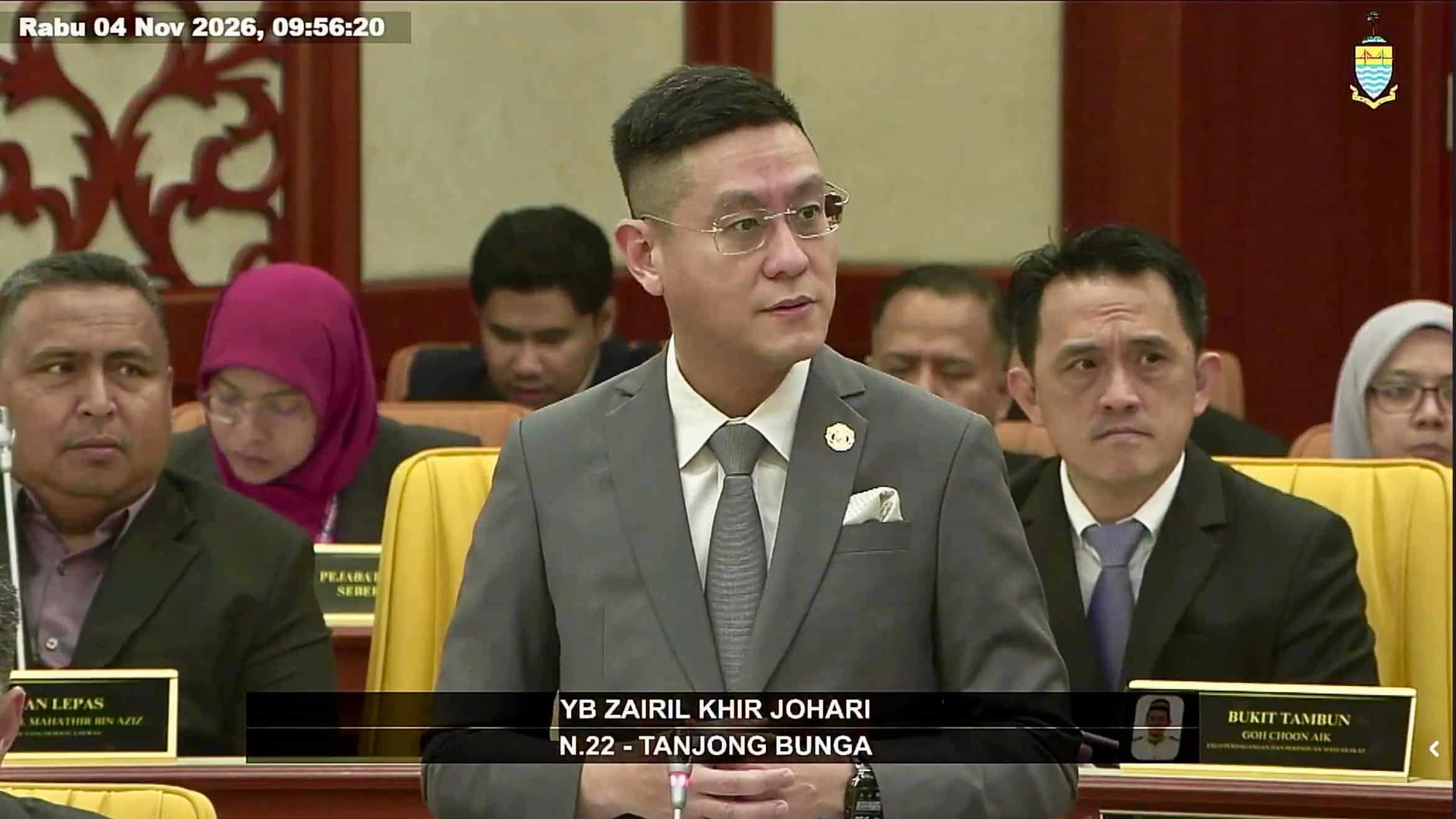
Penang Infrastructure, Transport and Digital Committee chairman Zairil Khir Johari said these issues had also delayed the appointment of Nominated Subcontractors (NSCs), further affecting the smooth implementation of the project.
He said the increase in project costs was also partly attributed to the appointment of a rescue contractor by the Penang Development Corporation (PDC), which commenced work on April 15, 2025.
Zairil explained that the original scope of work had also undergone several changes following complaints and feedback from stakeholders and residents in the surrounding areas.
“Among the additional works carried out was the upgrading of an existing bridge that had experienced settlement, to ensure its safety and structural stability.
“In addition, the construction of an On-Site Detention (OSD) pond was incorporated into the project to address flooding issues in the area,” he said.
Zairil (PH–Tanjong Bunga) was responding to an oral question from Lee Khai Loon (PH–Machang Bubuk) at the Penang State Legislative Assembly sitting today.
He added that the design of the junction at Jalan Delima 1 and Lorong Delima Jati 1 had also been revised and improved following complaints from nearby residents and the petrol station operator in the area.
Providing further details, Zairil said the project was initially undertaken by the Penang Public Works Department (JKR) before its implementation responsibility was transferred to PDC during the design stage, between 2013 and 2015.
However, he acknowledged that several issues, including the failure to identify privately owned land within the bridge embankment area, should have been addressed earlier through proper planning and coordination among the relevant technical agencies.
In this regard, he said one of the key lessons from the project was the need to strengthen coordination with utility companies from the design stage, before the tender process was finalised.
“This is important to minimise the need for Variation Orders (VOs) and avoid applications for extensions of time, which could affect the overall project completion timeline,” he said.
Story by Riadz Akmal