

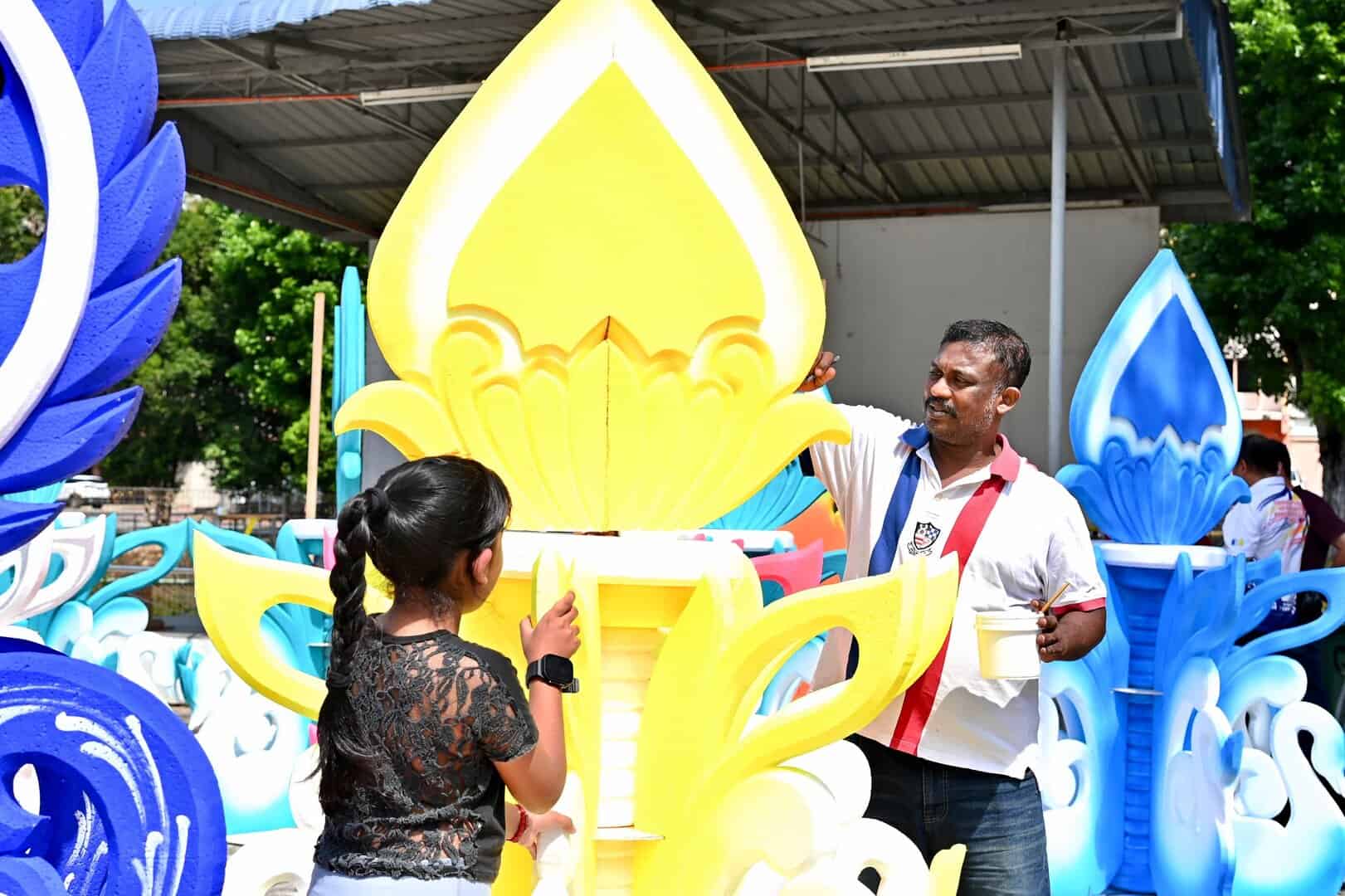

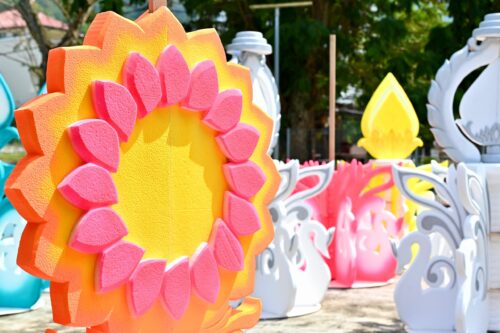
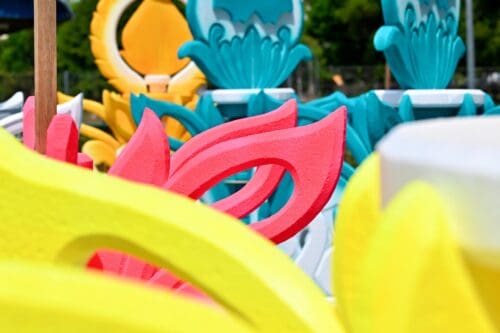
WHEN we think of Thaipusam, what comes to mind are the vibrant, colourful kavadis, carried with devotion through bustling streets, as devotees seek blessings, fulfill vows, or express their gratitude to Lord Murugan.
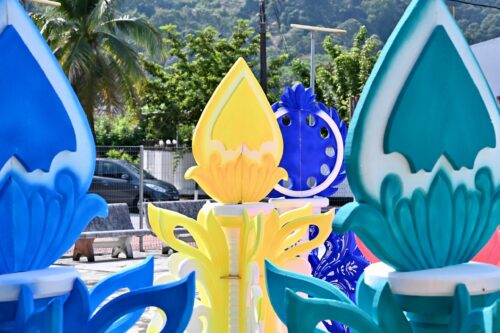
These kavadis are more than just decorative structures, as they are symbols of devotion.
For the artisans who create them, kavadi-making is far more than a business, it is a deeply spiritual craft, rooted in passion, purity, self-discipline, and unwavering dedication.
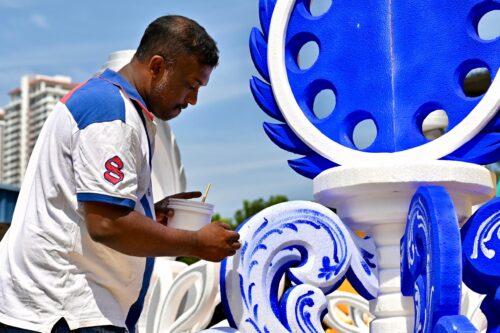
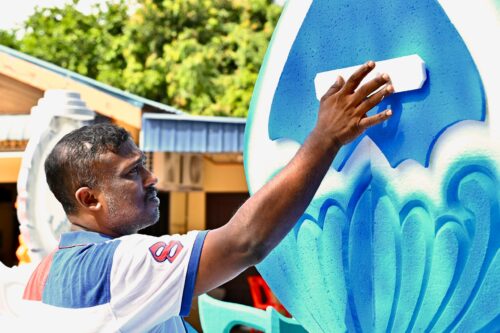
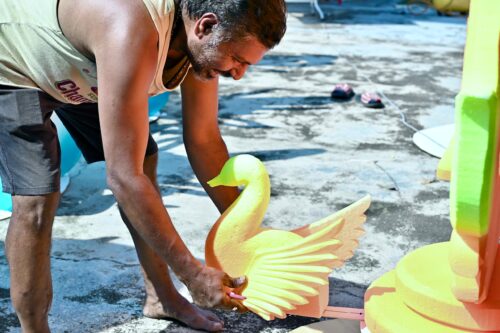
Self-taught kavadi maker K. Pragalathen, 45, who has dedicated more than two decades to handcrafting intricate kavadis, echoed this sentiment.
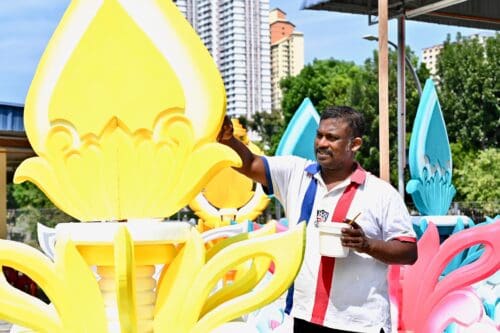
He views each piece not merely as a product, but as an offering full of meaning for the devotees preparing for Thaipusam.
Pragalathen said he observes a vegetarian diet only while completing each kavadi, as part of his commitment to the craft and its spiritual meaning.
“Staying vegetarian while making a kavadi helps me stay more energetic and aligned in mind, emotion, and body.
“It supports mental discipline, emotional balance, and a focused spirit, making me more devotional and able to create each kavadi with greater passion and intention,” he saying during an interview at Dewan MPKK Paya Terubong today.
According to Pragalathen, he has made a total of 22 kavadis this year, the most he has crafted so far compared to previous years. He began work in November last year.
“The process of crafting a single kavadi ,including cutting, drawing and painting, takes about one week and is done at my store in Sungai Pinang. Assembling the pieces together takes around one to two days.
“I received orders from my regular customers as well as new ones who placed orders after seeing my videos on TikTok.
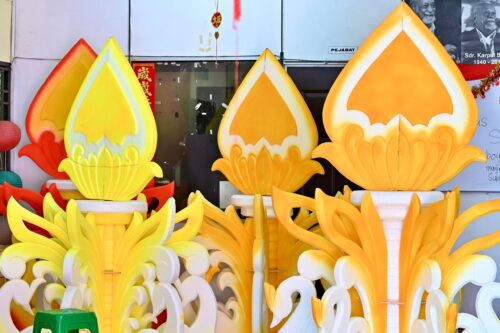
“This year, I got so many orders for the same design. Even after I told them that many people had already picked it, they still insisted and just asked me to change the colour,” said Pragalathen.
Pragalathen shared that, apart from local orders, he also received orders from outside Penang, including one from Johor and two from Kedah.
“We had the kavadi transported by bus to our customer in Johor, and I sent some of our team members there to assemble it.
“Meanwhile, my customers in Kedah, who are from Sungai Petani, will come and collect the kavadis themselves,” he said.
Speaking about the price range for the kavadis, Pragalathen said they would cost between RM1,000 and RM1,200, it depends on the designs. He added that simpler kavadis can also be made for about RM800.
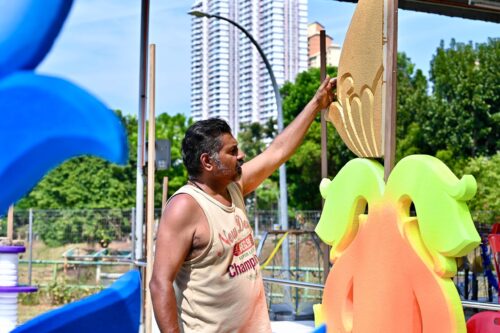
“Some customers ask me to use three or four different shades of colour, but I usually tell them that would cost much more, so I suggest sticking to fewer colours since the kavadis are likely to be used only once, and I do not want them to waste money.
“Personally, I think using more than two colours can make the kavadi look messy. Mostly, I handle the design, although customers sometimes choose their own colours,” he said.
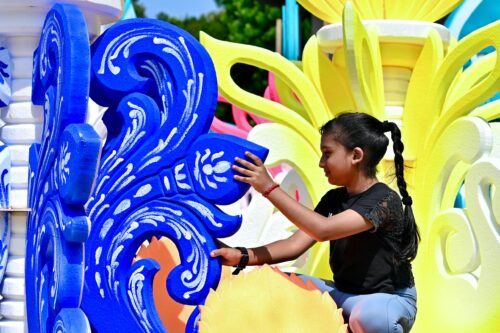
When asked if anyone has ever approached him to learn the craft of making kavadis, Pragalathen said no one has so far. However, his 10‑year‑old daughter, P. Subhiksha, has already shown a keen interest in the craft and has started to learn painting.
“My daughter also gives me moral support while I am making the kavadis, and I hope she masters the art one day because she is truly interested in it,” Pragalathen said, beaming with a smile.
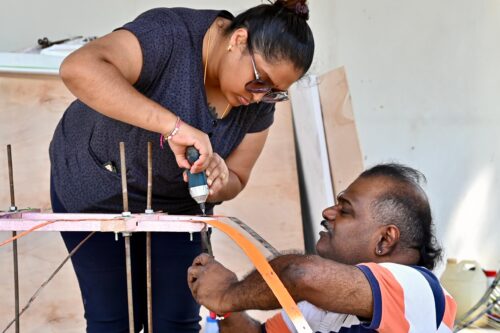
His wife, family members and friends assist him as he works on the kavadis.
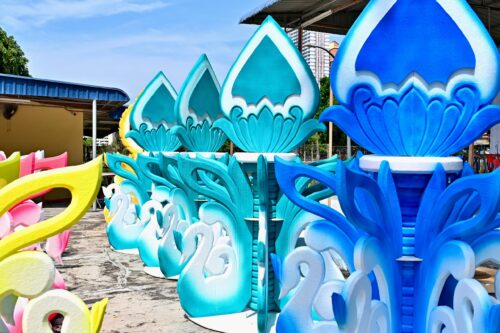
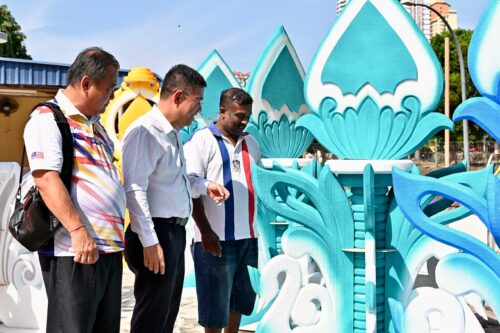
State Tourism and Creative Economy Committee chairman Wong Hon Wai has been a great support to Pragalathen, providing the Dewan MPKK Paya Terubong as a venue for assembling the kavadis for a duration of two weeks.
Wong said that by helping Pragalathen, he wanted to promote entrepreneurship and celebrate the cultural significance of Thaipusam.
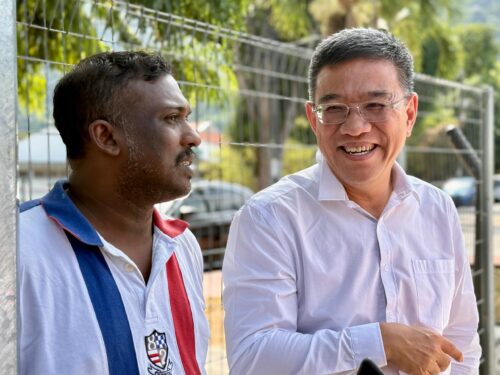
“Aside from Pragalathen’s kavadi‑making activities, the space was also used for vocal classes and training by the Chingay unicycle team.
“We allow the space to be used for arts and sports activities, promoting community spirit and engagement,’ he added.
Wong visited Dewan MPKK Paya Terubong to personally encourage and support Pragalathen in his kavadi‑making work.
Pragalathen expressed his gratitude to Wong for allowing him to use the space for the past three years, saying that it is really suitable, close to his home in Air Itam, and in a quiet neighbourhood where he can work peacefully.
It is learned that the kavadis made by Pragalathen are about 6 ft tall and weigh around 6 to 7 kg.
Thaipusam, a major Hindu religious festival celebrated by communities around the world, will be observed this Sunday, Feb 1.
Pictures taken during the interview;-
Story by Tanushalini Moroter
Pix by Siti Nuratikah Rahmat