

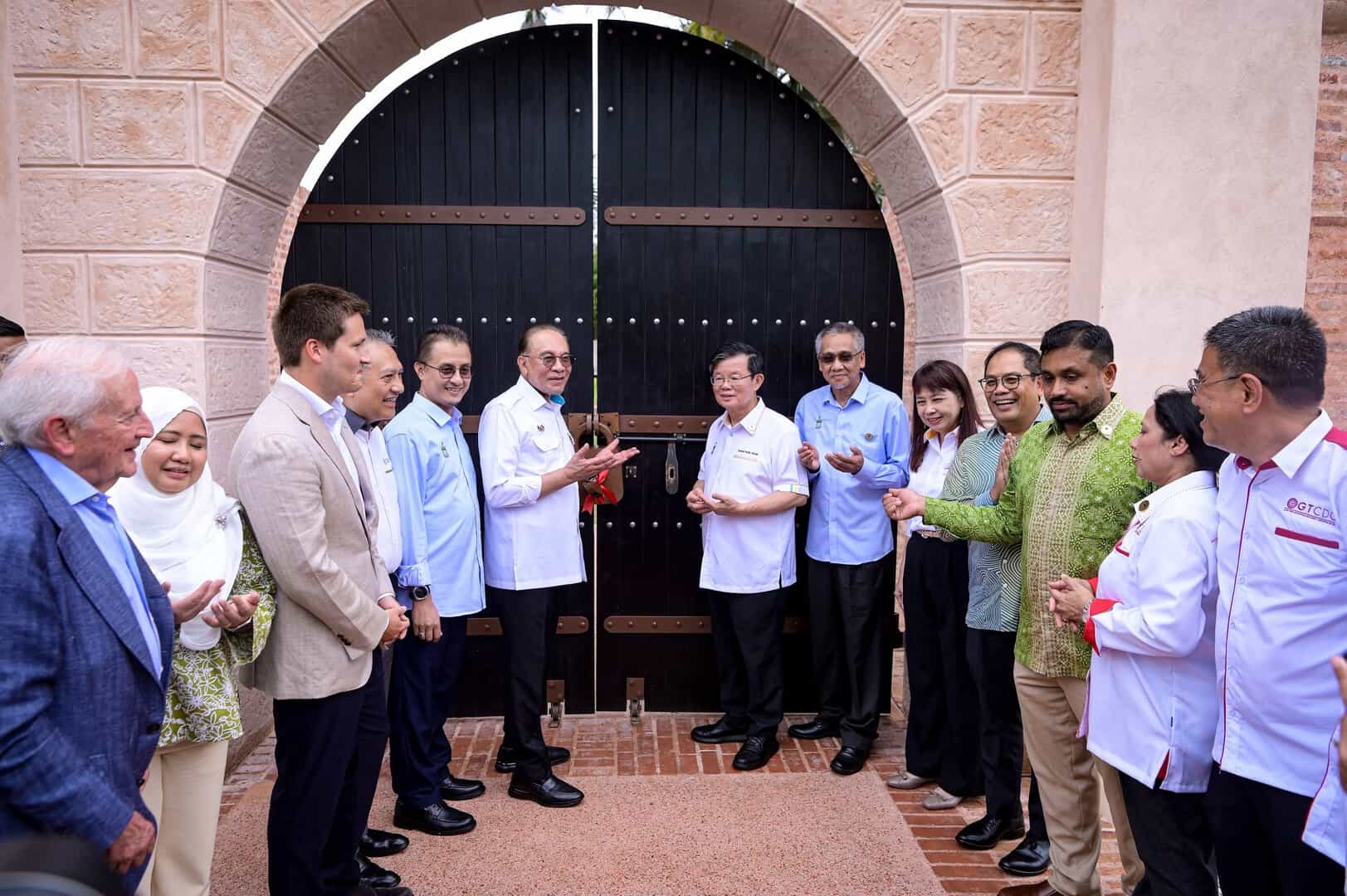

PRIME Minister Datuk Seri Anwar Ibrahim has called for Malaysia to reclaim and reinterpret its history through its own lens, stressing that heritage conservation should serve as a powerful reminder of the nation’s resilience, unity and identity rather than merely preserving monuments of the colonial era.
Speaking at the official reopening of the restored Fort Cornwallis today, Anwar said the conservation of the iconic landmark is not about glorifying colonial rule but about ensuring future generations understand the sacrifices and hardships that shaped the nation.
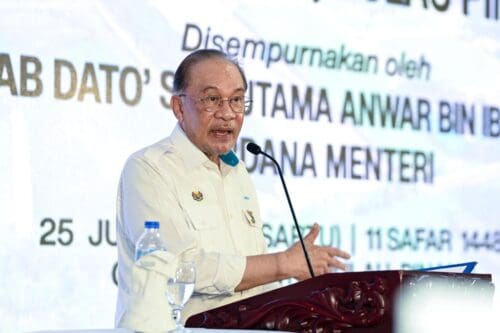
“A city may be modern and technologically advanced, but it can still be culturally barren,” he said, reminding Malaysians that development must always be accompanied by a deep appreciation of history and culture.
While acknowledging Penang’s standing as one of the country’s leading semiconductor and industrial hubs, Anwar said the state’s remarkable economic progress should not overshadow the importance of preserving its historical and cultural heritage.
“Our history must not be dictated by monuments of the past or by the dictates of our former colonial masters, whether Britain, Japan or the United States.
“It must be reconstructed by our own people to reflect the sacrifices, struggles and aspirations of the nation,” he said.
Anwar said Fort Cornwallis symbolises a painful chapter in Malaysia’s history when major decisions affecting Penang were made by foreign powers with little regard for the interests of its people.
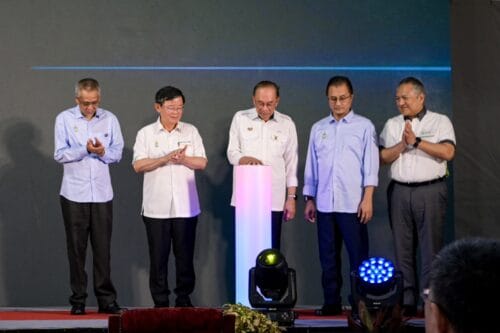
He noted that the fort bears witness to successive periods of colonial rule, Japanese occupation and wartime destruction, serving as a reminder of how the people once lost control over their own destiny.
“This is our history. However bitter or painful it may be, we must teach our children about it.
“The lesson is clear: without unity, development, peace and a strong nation, others will determine our future just as they did in the past,” he said.
The Prime Minister also praised the Penang government, Think City and its strategic partners for successfully restoring the fort while preserving its historical significance.
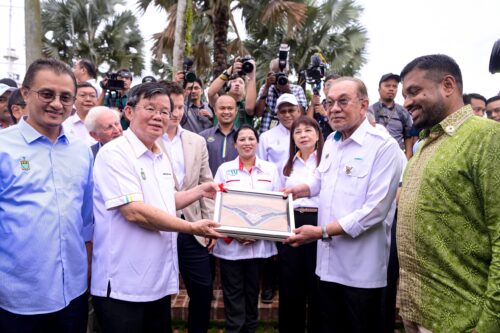
Describing the transformation as remarkable, Anwar said the site should become more than just a tourist attraction by incorporating educational programmes and historical presentations that help young Malaysians appreciate the value of independence and national unity.
“I hope every visit by our young people here will not only showcase the beauty of this place but also teach them the price of freedom, the importance of unity and the consequences of allowing others to shape our destiny,” he added.
Anwar also stressed that Malaysia’s multicultural identity remains one of its greatest strengths, warning against attempts to divide society through racial and religious sentiments.
“Unity is strength. Countries can be built through unity, but they can also be destroyed by racial and religious hatred.
“Penang must continue to set a good example by ensuring development benefits every community without marginalising anyone,” he said.
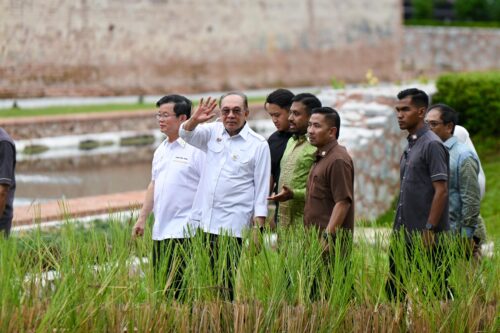
Earlier, Chief Minister Chow Kon Yeow said the reopening of Fort Cornwallis marked another significant milestone in Penang’s long-term commitment to preserving heritage while driving sustainable urban development.
He said the transformation of Padang Kota Lama and Fort Cornwallis demonstrates that heritage is not merely a remnant of the past but a strategic asset capable of strengthening the state’s identity, boosting tourism and stimulating economic growth.
According to Chow, the achievements form part of the North Seafront Programme, under which 22 major projects have been identified through the North Seafront Master Plan.
He said several projects have already been completed through nearly RM50 million in funding provided by the Penang government via the Penang Chief Minister Incorporated (CMI), in collaboration with the Penang Island City Council (MBPP) and Think City Sdn Bhd.
Among the completed projects are the upgrading of Padang Kota Lama, Fountain Garden, the Esplanade Seawall, Queen Victoria Memorial Clock Tower, Linear Garden, the Fort Cornwallis Gallery, restoration of the historic moat and the redevelopment of Astaka Kota Selera.
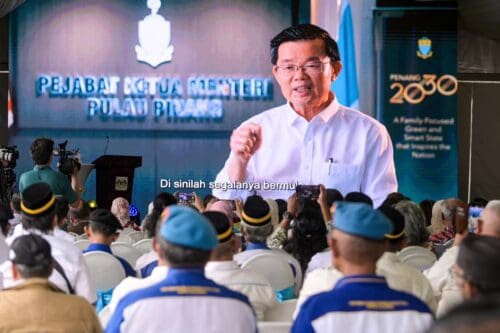
“The transformation will continue through several new projects until 2030, further strengthening the North Seafront as a world-class public space that seamlessly connects heritage, urban development and the well-being of the people,” he said.
Chow said Fort Cornwallis remains the cornerstone of the North Seafront Programme and exemplifies how heritage conservation can progress hand in hand with modern urban development.
He noted that the George Town Conservation and Development Corporation (GTCDC), established in 2016 through a partnership between CMI and Think City, has played a pivotal role in ensuring conservation efforts are carried out strategically, professionally and inclusively.
“Today, Fort Cornwallis has been revived as a more welcoming heritage landmark that serves not only as a centre for learning and appreciating our nation’s history, but also as a catalyst for tourism growth, entrepreneurship opportunities and economic activities that benefit the local community,” he said.
Chow also highlighted the international recognition received by the project, with the Esplanade Seawall strengthening works winning the Unesco Asia-Pacific Award under the New Design in Heritage Context and Sustainable Development categories in February this year.
Meanwhile, Astaka Kota Selera received the Gold Award and was named Building of the Year by the Malaysian Institute of Architects (PAM) in July.
He said the accolades demonstrate that heritage conservation and contemporary development can successfully coexist without compromising George Town’s outstanding universal value as a Unesco World Heritage Site.
Expressing appreciation to GTCDC, CMI, Think City, Aga Khan Trust for Culture, MBPP, as well as federal and state agencies, consultants, conservation experts, contractors and strategic partners, Chow said the collaborative effort has laid a strong foundation for future heritage conservation initiatives across Penang.
“The state government remains committed to preserving historical buildings, public spaces and heritage landscapes throughout George Town.
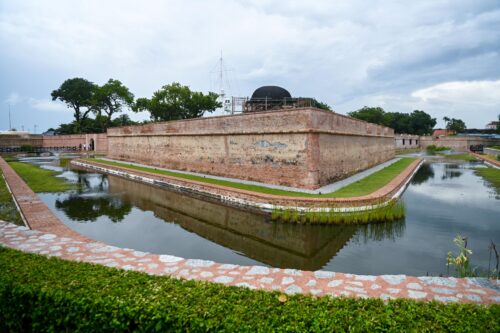
“We believe heritage conservation and development are not opposing agendas. Instead, they complement one another in building a more resilient, competitive and liveable Penang while contributing to Malaysia’s overall progress,” he said.
Also present earlier were Penang State Secretary Datuk Seri Zulkifli Long, key figures from Think City, state executive councillors, state assemblymen, and others.
Story by Kevin Vimal
Pix by Noor Siti Nabilah Noorazis
Video by Siti Nuratikah Rahmat