

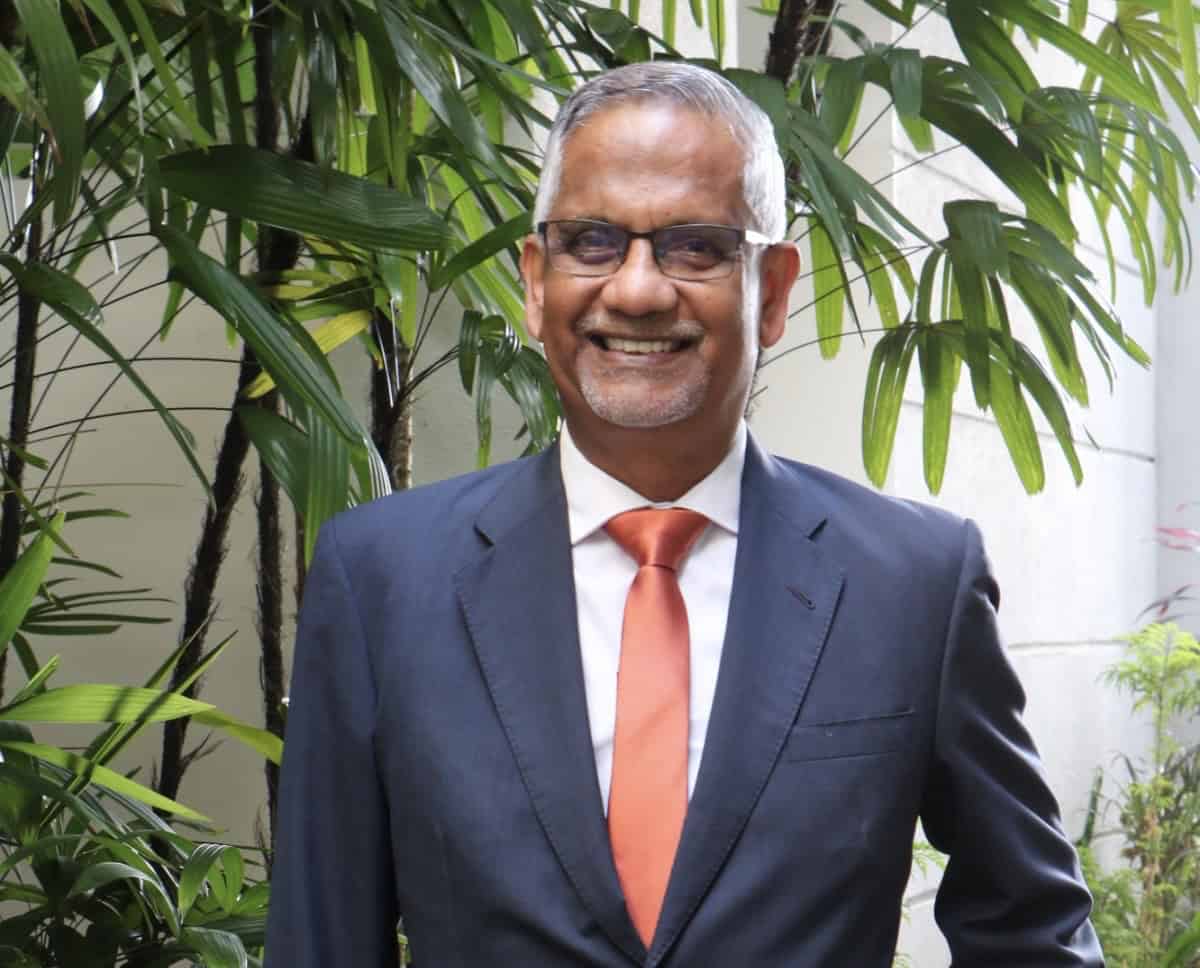

LOCAL automated test equipment (ATE) companies, particularly smaller firms, will gain access to advanced equipment, software and technical expertise through the Shared Lab under the Malaysia ATE Campus in Penang.
Penang Skills Development Centre (PSDC) chief executive officer Datuk Dr Hari Narayanan said the facility would provide local companies with access to industry-grade equipment that could otherwise be too costly for them to acquire independently.
He said some of the equipment could cost more than RM1mil, making it difficult for smaller companies to invest in such resources on their own.
“The Shared Lab is envisioned as a common facility where local ATE companies can access relevant technologies, equipment, software and technical expertise.
“By providing shared access to these resources, we hope to help local companies bridge technological gaps, strengthen their product development capabilities and develop solutions that meet actual industry requirements,” he said.
The Malaysia ATE Campus in Penang is a state government initiative spearheaded by InvestPenang, with support from PSDC.
Dr Hari said the Shared Lab would also facilitate access to relevant technologies and technical expertise through its Technology Collaborators.
On Nov 13, 17 Technology Collaborators exchanged memoranda of understanding (MoUs) with InvestPenang, bringing together complementary capabilities to support local ATE companies in developing their own products and solutions.
He said the number of small and medium enterprises (SMEs) benefiting from the facility would depend on the number of projects undertaken and the local companies involved.
“The broader goal is to strengthen local ATE capabilities, support the development of Malaysian technology champions and enable local companies to move up the semiconductor value chain, in line with Malaysia’s National Semiconductor Strategy (NSS),” he said.
Dr Hari said developing homegrown technologies was one of the key objectives of the Malaysia ATE Campus, adding that local ATE companies already possessed strong technical capabilities.
Through access to advanced technologies, shared facilities and industry collaboration, the initiative aimed to accelerate the development of locally developed technologies and solutions, enabling companies to become regional and global players.
He said companies interested in using the Shared Lab might be required to provide details of their proposed or ongoing projects, with access subject to the availability of relevant equipment, resources and funding.
Talent development would also be an important component of the initiative, with PSDC supporting technical training and upskilling programmes to strengthen specialised skills and capabilities among local ATE companies.
The initiative would also facilitate knowledge sharing and access to technical expertise through its Technology Collaborators.
Dr Hari said industry collaboration was essential to ensuring that technologies developed by local companies could eventually be adopted and commercialised.
To date, 12 MoUs had been signed between multinational corporations (MNCs) and InvestPenang to facilitate pilot projects and explore localisation opportunities with local ATE companies.
“Through the collective efforts of the state government, InvestPenang, PSDC and industry partners, we aim to create opportunities for local companies to co-develop, qualify and scale their solutions with global manufacturers.
“This will be supported by talent development and technical expertise from universities and Technology Collaborators,” he said.
He said local ATE companies already possessed a wide range of capabilities in automation and testing, while growing opportunities in advanced packaging were expected to create further demand for homegrown solutions.
“We anticipate more locally developed testing and automation solutions to meet the requirements of MNCs and large local companies, particularly in the semiconductor assembly and test sector,” he said.
Through industry collaboration, the initiative would support the co-development, qualification and deployment of these solutions in actual production environments.
However, he said tangible outcomes would depend on the progress of individual projects and collaborations.
Dr Hari said the Malaysia ATE Campus also aimed to support the growth of Malaysian technology champions through funding support from the Federal Government.
This included facilitating business opportunities, strengthening talent development and providing access to advanced technologies, tools and resources to accelerate product development.
He said the initiative was aligned with the NSS, particularly its focus on moving up the semiconductor value chain, strengthening local technology ownership and creating high-value engineering and technical jobs.
Story by Edmund Lee