

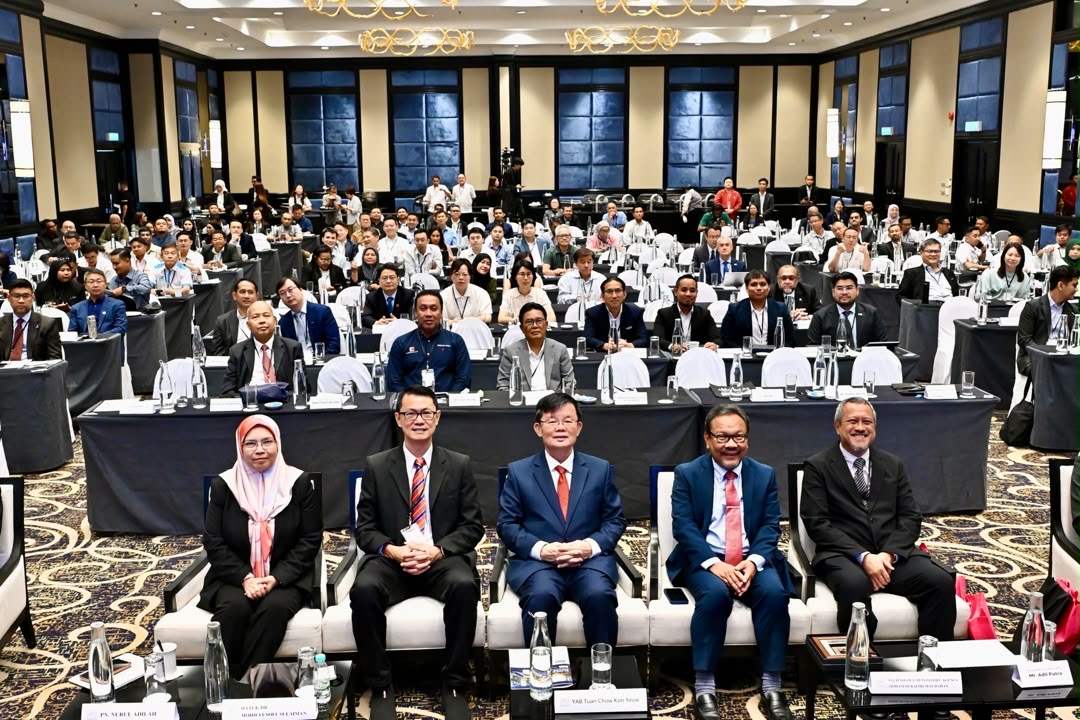

PENANG must learn from the experience of the Klang Valley, where an extensive rail network has yet to fully resolve traffic congestion, as the state prepares for a major shift towards public transport through the Penang LRT Mutiara Line, Chief Minister Chow Kon Yeow said.
Speaking at the closing ceremony of the International Rail Transit Forum 2026 at the AC Hotel by Marriott in Bayan Lepas earlier today, Chow said rail infrastructure alone is not enough to transform urban mobility.
“We can learn valuable lessons from Kuala Lumpur. The Klang Valley has an extensive network of MRT, LRT, commuter rail and other rail transit systems, yet traffic congestion remains a daily challenge,” he said.
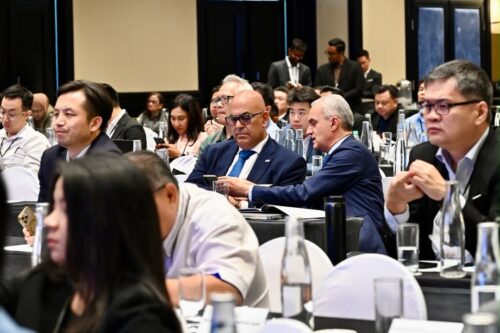
According to Chow, factors such as connectivity, supporting infrastructure, urban planning and transit-oriented development play an important role in ensuring the success of public transportation systems.
“Another important factor is mindset.
“Building rail infrastructure alone will not deliver the intended outcome. People must choose to use it as part of their daily travel habits,” he said.
Chow noted that Malaysia continues to record one of the highest car ownership rates in the region, making it increasingly important for cities to provide efficient alternatives to private vehicles.
While acknowledging that car ownership will remain necessary for many households, he stressed that public transport should become the preferred choice whenever possible.
“This is the larger vision behind the Penang LRT Mutiara Line.
“The Mutiara Line will shape how people move across Penang, connect communities, support new development around stations, and strengthen a more efficient and sustainable transport system for the state,” he said.
Chow added that the success of the Mutiara Line would ultimately be measured not by the infrastructure itself, but by daily ridership and the extent to which Penangites embrace public transport as part of their everyday lives.
He also welcomed the progress achieved during the forum, including the launch of the Consortium for Rail Advancement and Technology Exchange (CREATE), saying such initiatives would strengthen cooperation and support the long-term development of the rail sector.
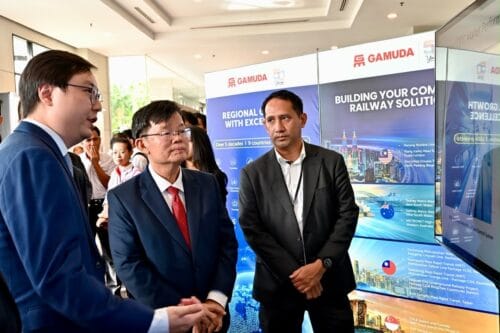
Referring to the forum’s theme, “The Great Shift”, Chow said Penang’s transformation must involve a broader change in travel behaviour and mobility choices across society.
“If this direction takes hold, the impact will extend far beyond any single infrastructure project,” he said.
Chow also thanked delegates, industry leaders, academics and international partners for contributing to the success of the forum and reaffirmed Penang’s commitment to building a more connected, sustainable and rail-ready future.
Story by Kevin Vimal
Pix by Siti Nuratikah Rahmat