

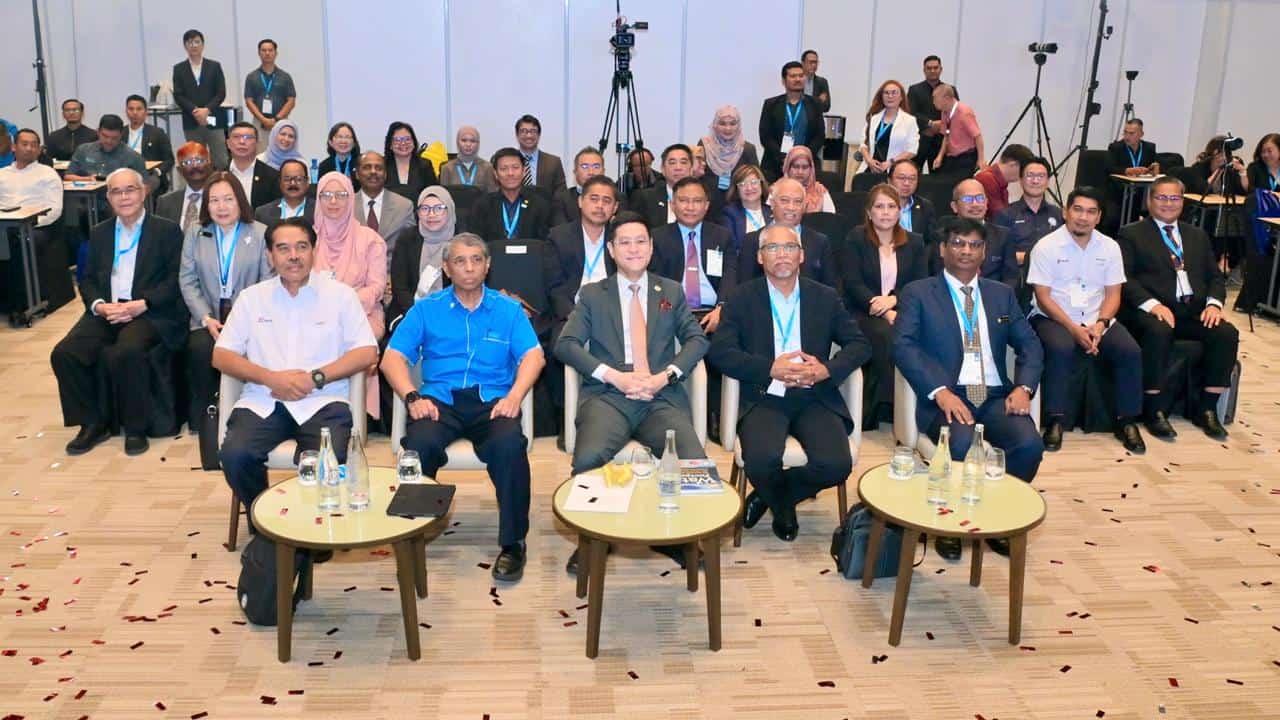

PENANG is strengthening its water security strategy by building a climate-resilient water ecosystem that can support future high-tech industrial growth while ensuring water remains safe, accessible and affordable for its people.
State Infrastructure, Transport and Digital Committee chairman Zairil Khir Johari, who represented Chief Minister Chow Kon Yeow at the Water Malaysia 2026: A Specialised Conference & Exhibition, said water security must be treated as part of Penang’s economic strategy and not merely as a utility issue.
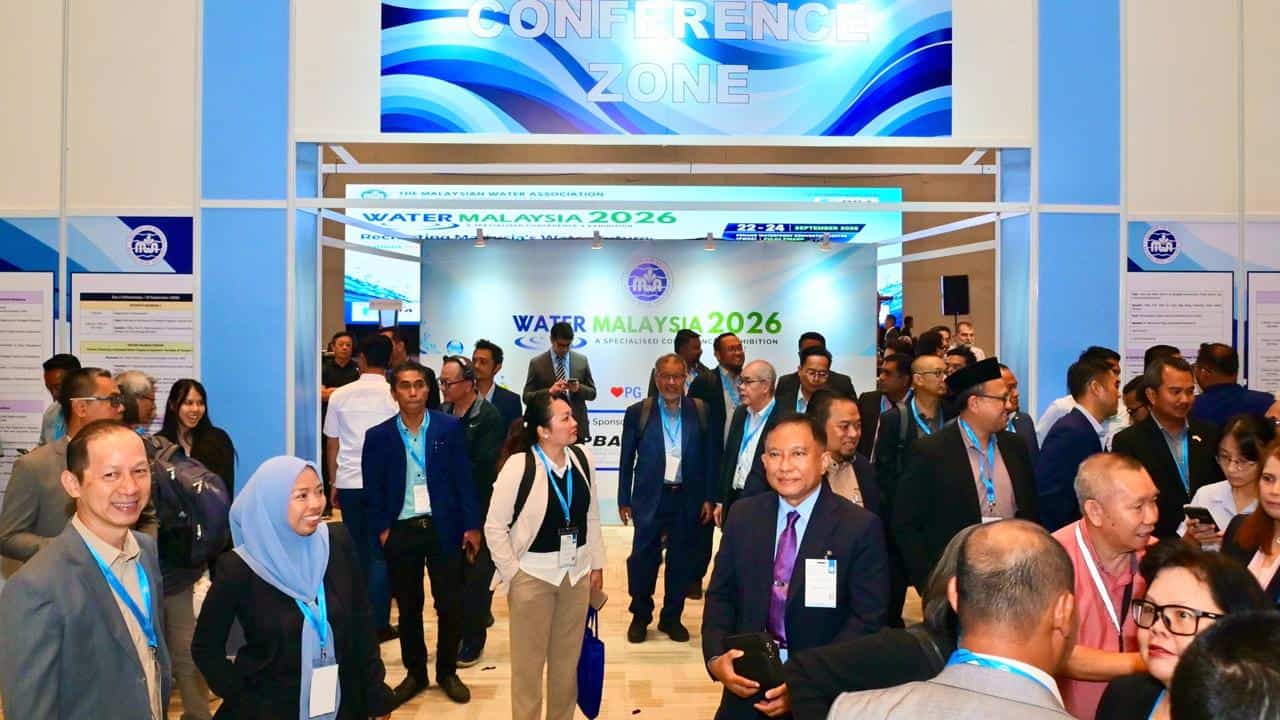
The theme of the three-day event from Sept 22 to 24 is “Recharting Malaysia’s Water Future: Resilient, Inclusive, Sustainable.”

In his keynote address, Zairil said Penang’s future growth would increasingly depend on advanced manufacturing, semiconductors, research and development, medical technology and other high-value industries.
“These activities create investment, employment and opportunities. However, they also require reliable infrastructure, skilled talent, secure energy and, critically, a sustainable water supply,” he said.
He said a water-secure Penang was not simply about having more treatment plants, reservoirs and pipelines, but about protecting water resources at source, preparing supply systems for future climate conditions, encouraging efficient industrial water use, reusing treated water where appropriate, and making decisions guided by science, reliable data and public accountability.
Zairil said climate change had made it necessary to move from reactive planning to anticipatory planning, with measures such as early-warning systems, risk assessments, infrastructure stress testing, alternative raw water sources, strategic storage, rainwater harvesting, water recycling and demand management.
He also stressed that Penang’s water security could not be separated from the wider northern region, citing the Ulu Muda catchment as an example of shared water resources that required shared responsibility, information and investment.
“Water security should not be approached as competition between states. It should be pursued through cooperation, evidence-based planning and arrangements that recognise the environmental and economic value of catchment protection,” he said.
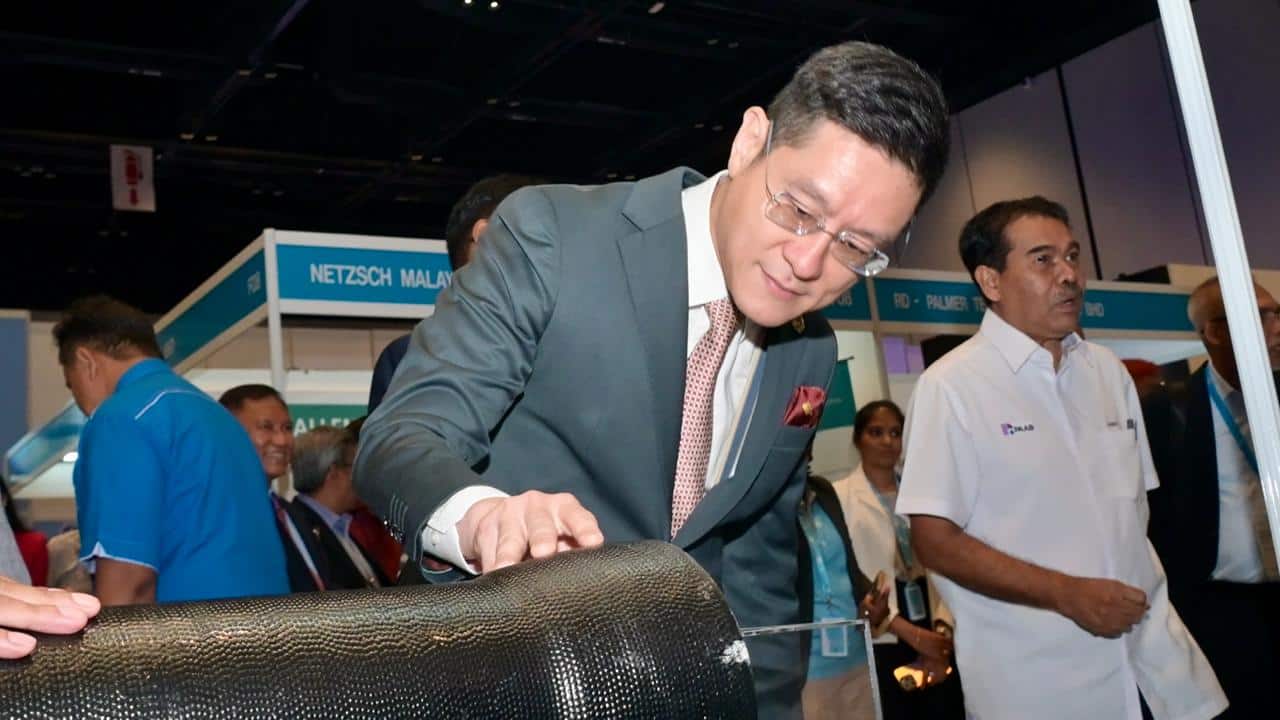
On supporting high-tech industries, Zairil said industrial users should become partners in water security by adopting measures such as water-efficiency practices, process optimisation, internal recycling, treated wastewater reuse, rainwater harvesting, real-time monitoring and transparent reporting of water performance.
He added that Penang must move towards a more circular water system by reducing unnecessary consumption, recovering resources from wastewater and treating waste streams as potential assets rather than liabilities.
“For Penang, the direction is clear. We must strengthen our water supply systems while planning for uncertainty and growth,” he said.
“We must promote efficient and circular industrial water use, support innovation, digitalisation and responsible investment, work with neighbouring states and federal agencies to improve regional water security, and ensure that water remains safe, accessible and affordable for our people.”
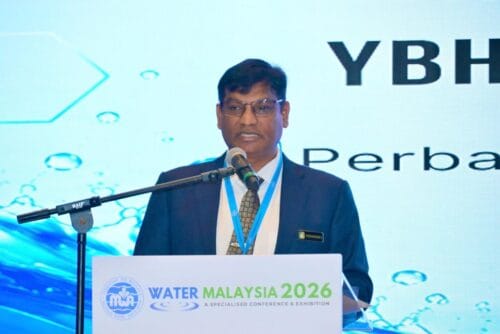
Meanwhile, PBAPP chief executive officer Datuk K. Pathmanathan said the state’s water future required long-term planning, investment and a shift in the way water was managed.
He said Penang’s water demand was expected to increase from 865 million litres per day in 2025 to 1,162 million litres per day or more by 2032, driven by growth in population, industries and development.
“The water sector cannot afford to be reactive. By the time a crisis reaches the consumer, we are already too late,” he said.
Pathmanathan said resilience was not only about building new infrastructure, but also renewing ageing assets, including pipelines, to reduce water losses and strengthen the state’s water supply system.
He outlined four key principles for PBAPP — reliability, investment, affordability and sustainability — saying none could be prioritised at the expense of the others.
On affordability, he said water must continue to remain accessible to consumers while being valued appropriately, noting that domestic consumers accounted for about 55.7 per cent of Penang’s total water consumption in 2025.
He also called for consumers to become partners in water security, saying efforts to reduce demand must involve greater communication, public awareness and behavioural changes.
Pathmanathan said PBAPP was also modernising its operations through better data, digital systems, automation and artificial intelligence where these could improve decision-making and operational efficiency.
“Technology must deliver value. If it can help us save water, save energy, reduce chemical consumption, detect failures earlier or serve our consumers better, use it,” he said.
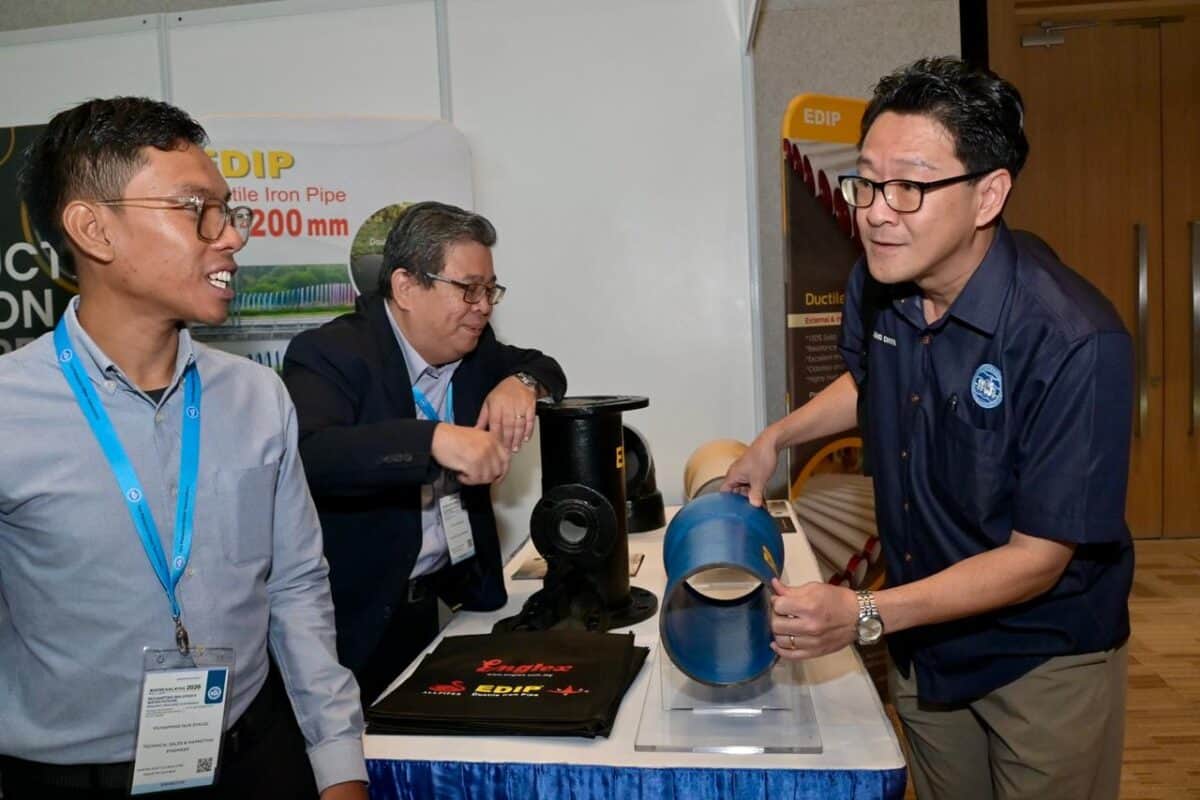
Patmanathan also acknowledged Chow and Zairil for making difficult decisions in water management.
“They involve large investments. They may involve tariffs. And sometimes the benefits will only be seen 10 or 20 years later. That is leadership – having the courage to make bold decisions today while keeping a broader view of tomorrow,” he said.
However, Patmanathan stressed that bold decisions must also be responsible ones, balancing economic growth, affordability, environmental responsibility and financial sustainability.
He added that water security was ultimately about securing Penang’s people, economy and future, requiring everyone — government, utilities, industries and consumers — to play their part.
“Water is life. Use it wisely,” he said.
Among those present at the event were Malaysian Water Association president Mohamad Hairi Basri, National Water Services Commission (SPAN) chairman Datuk Abdul Kadir Mohd Din, and Pengurusan Aset Air Berhad (PAAB) chairman Datuk Seri Jaseni Maidinsa.
Story by K.H. Ong
Pix by Law Suun Ting