

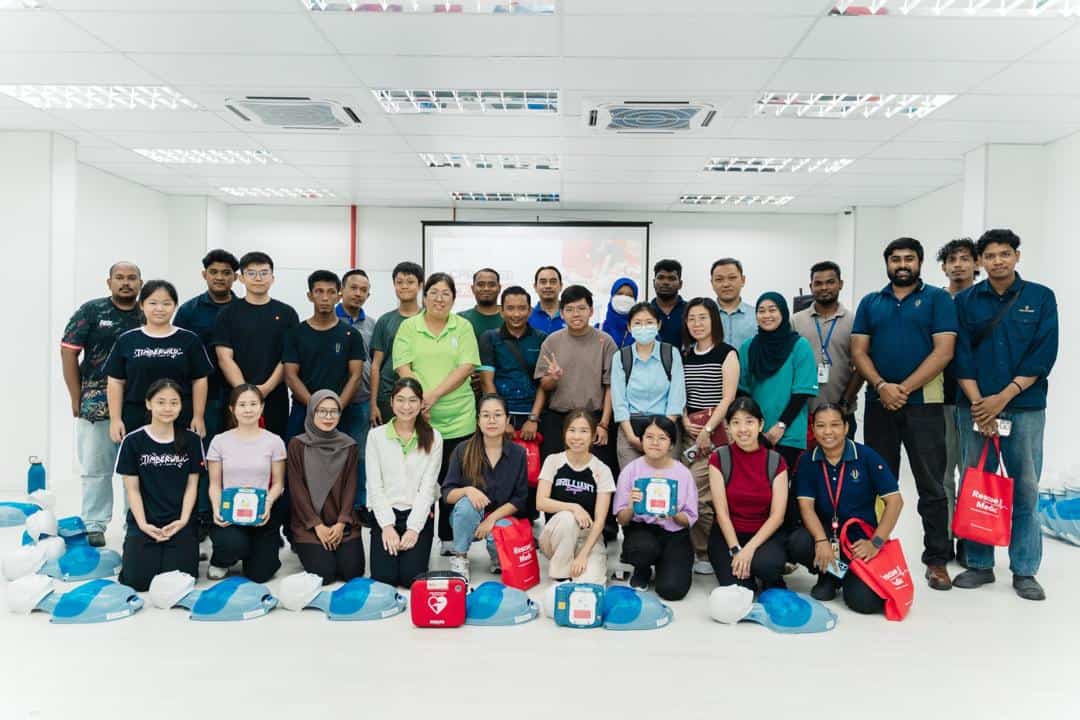

NEARLY 100 members of the public participated in a cardiopulmonary resuscitation (CPR) and automated external defibrillator (AED) training programme jointly organised by Rescue Medic, the Penang Branch of the Malaysian Red Crescent Society (MRCS), and UMediC at the UMC Learning Centre in Batu Kawan.
The programme aimed to raise public awareness of emergency response and strengthen community preparedness by equipping participants with essential life-saving skills.
MRCS Penang Branch Training and Education Committee chairman Ng Kah Boon highlighted that the first few minutes following a sudden cardiac arrest are critical for survival. Immediate chest compressions combined with timely use of an AED can significantly increase a victim’s chances of survival.
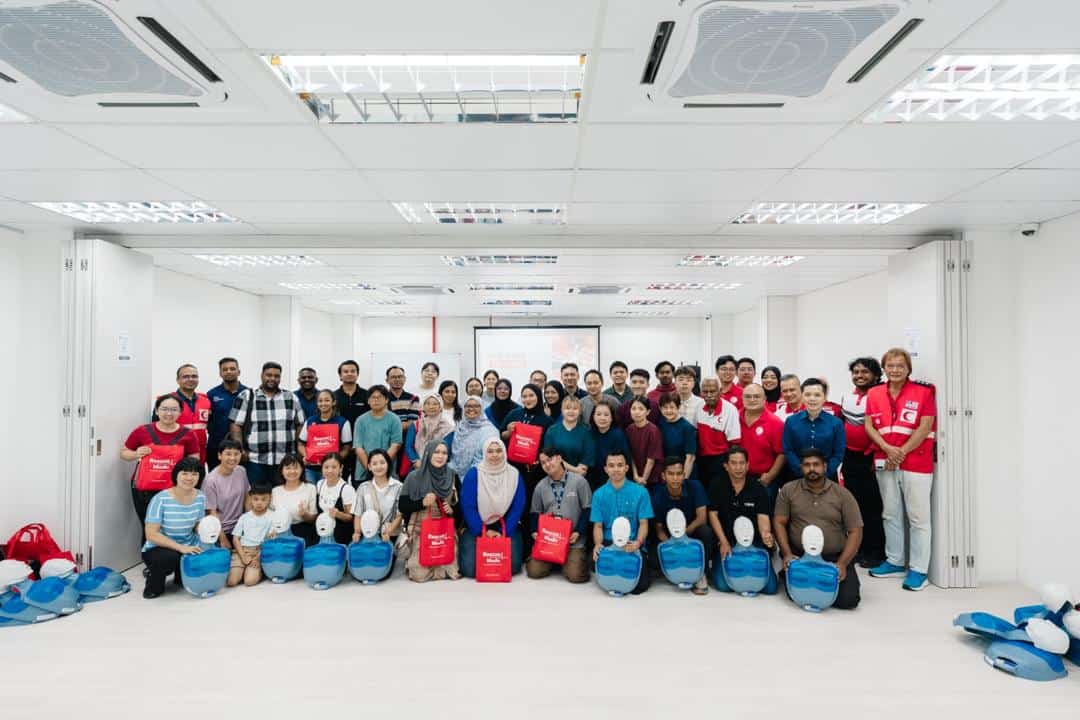
“Many cardiac arrest incidents occur outside hospitals, such as at homes, workplaces, and public areas. When someone nearby possesses the knowledge and confidence to provide immediate assistance, valuable time can be gained to save a life,” he said.
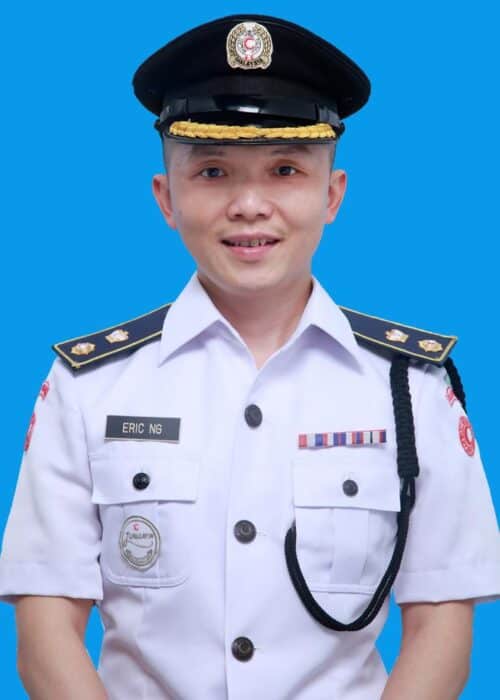
He added that first aid education is not only a practical skill but also a responsibility and an act of compassion.
“By learning CPR and AED skills, ordinary members of the public can become an important link in the chain of survival. We hope to make emergency response knowledge accessible to everyone, not just healthcare professionals,” he added.
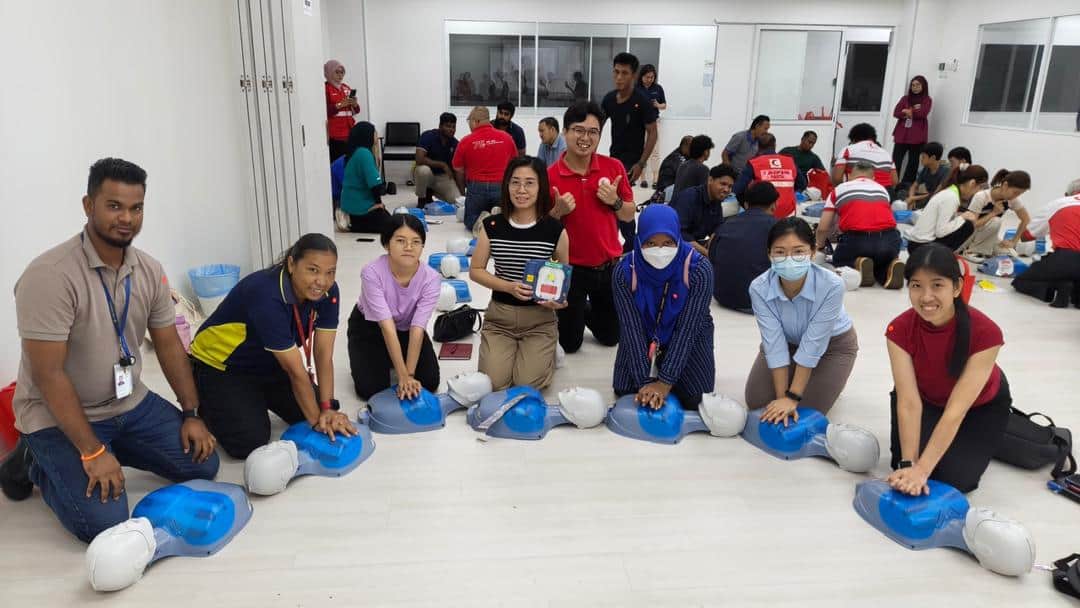
Participants were guided through emergency response procedures, including contacting emergency services, performing hands-only CPR, and operating an AED through both theoretical sessions and hands-on demonstrations.
Rescue Medic Operations director Tan Xiao Hui highlighted the importance of raising public awareness and confidence in using AEDs.
“Cardiac arrest often occurs without warning. Having immediate access to an AED, coupled with the confidence to use it, can make the difference between life and death,” she said.
Tan expressed hope that ongoing public education and awareness programmes would encourage more people to understand AEDs and step forward during emergencies. She also urged businesses, educational institutions, residential communities, and public facilities to prioritise the installation and maintenance of AEDs to create safer environments for all.
Meanwhile, UMediC chief executive officer Lim Taw Seong said organisations should not only focus on business growth but also actively contribute to society through meaningful community initiatives.
“We will continue organising public first aid education programmes and bring essential emergency response knowledge into schools, communities, workplaces, and public spaces. When life-saving skills become common knowledge, anyone can become a potential lifesaver during a critical moment,” he said.
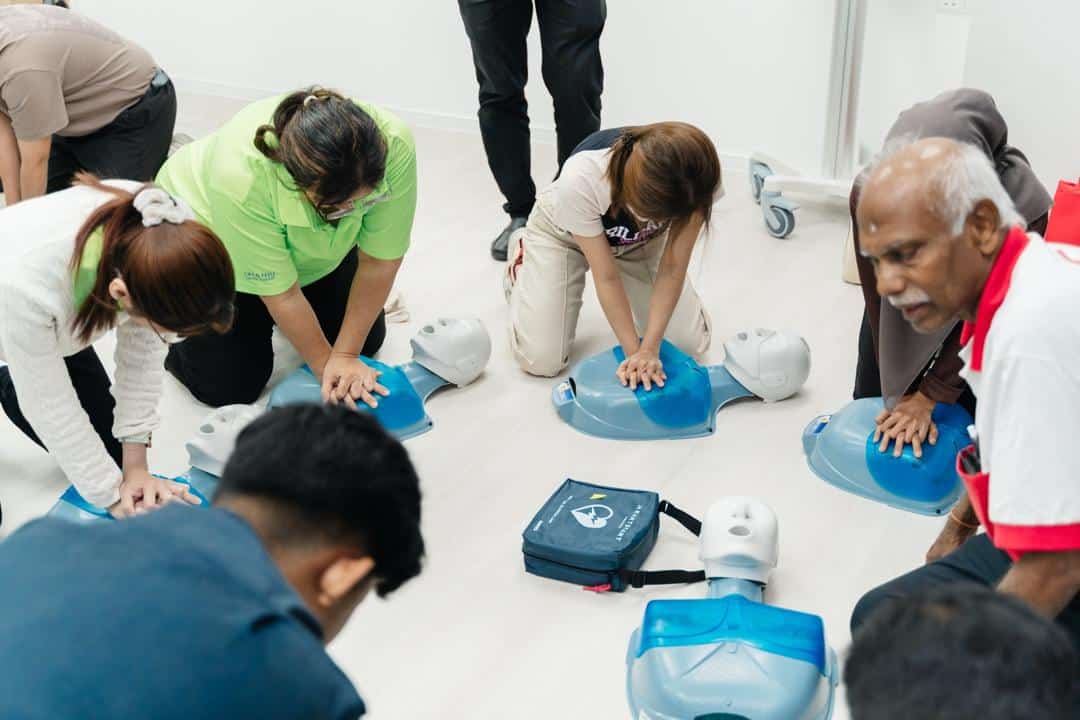
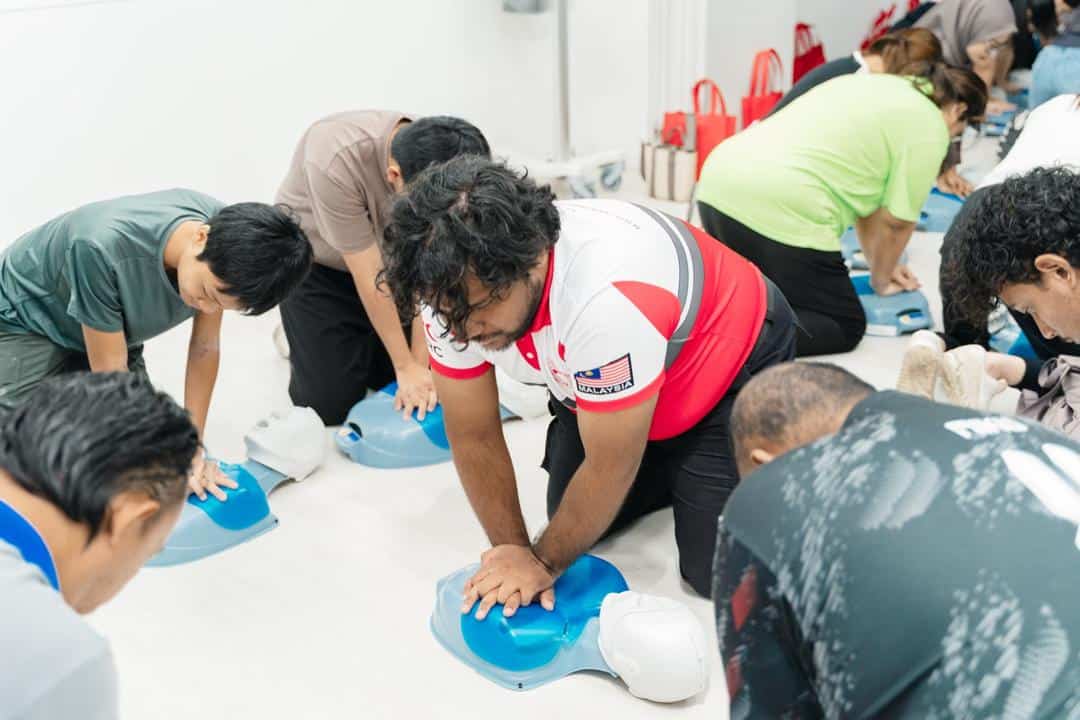
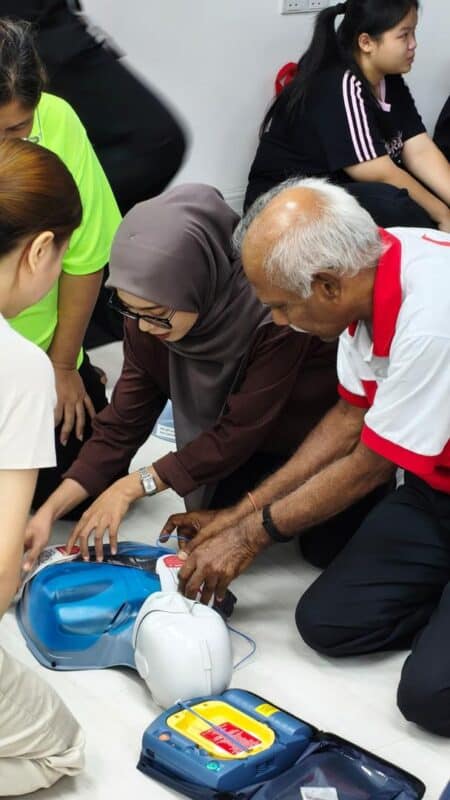
The training covered basic first aid concepts, CPR techniques, AED operation, and practical simulation exercises, allowing participants to practise complete emergency response procedures under the guidance of qualified instructors.
To encourage continued preparedness, organisers also distributed first aid kits to participants, enabling them to apply and share their knowledge within their families and communities.
In addition, the programme was livestreamed online, allowing members of the public who were unable to attend in person to gain access to essential first aid knowledge, further extending the reach and impact of community life-saving education.
Pix courtesy of Malaysian Red Crescent Society Penang Branch