

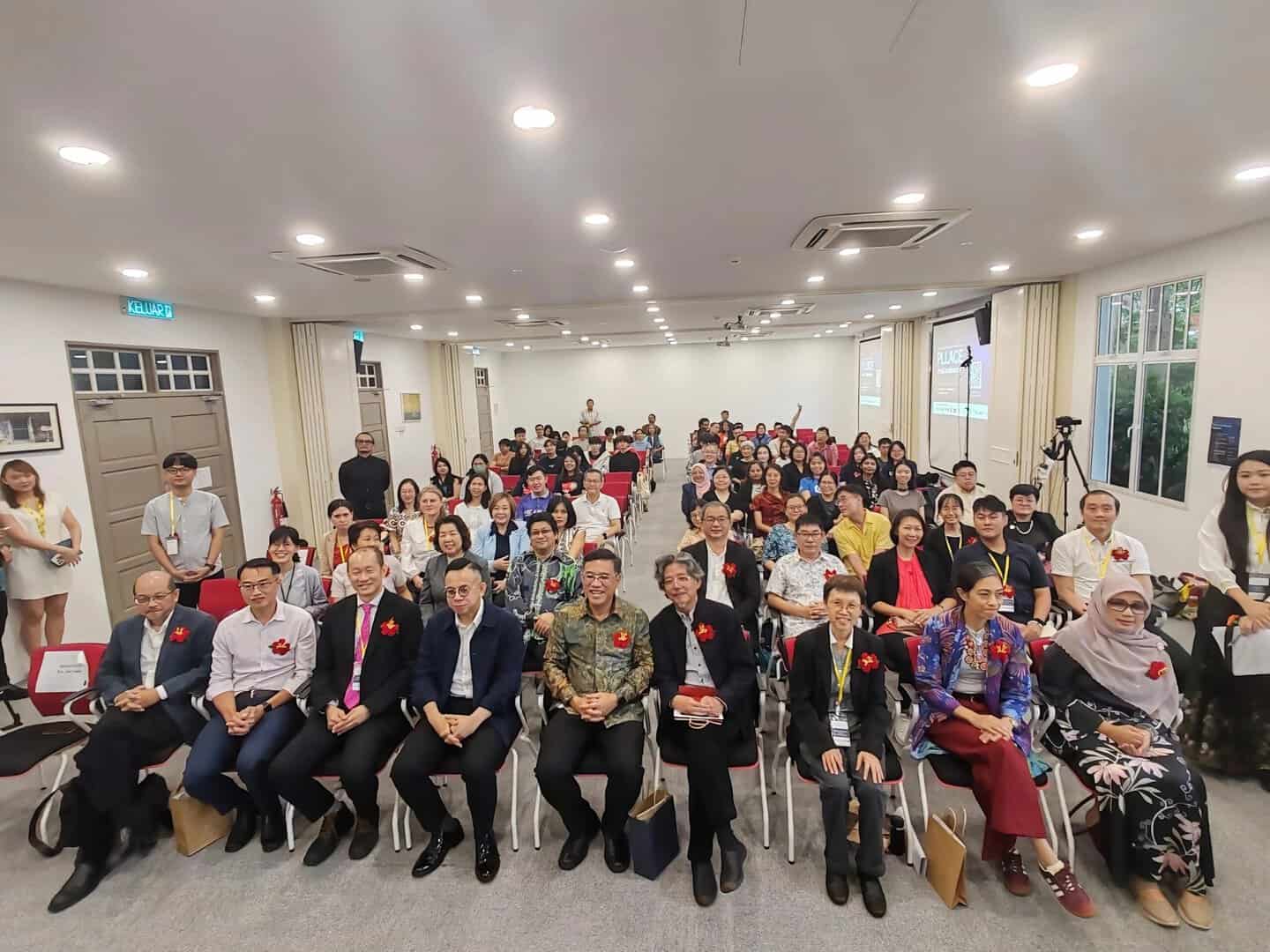

PENANG is moving to position its creative economy as a key driver of future growth, as the state looks beyond its traditional strengths in manufacturing and heritage tourism.
State Tourism and Creative Economy Committee chairman Wong Hon Wai said sustaining Penang’s tourism recovery will require a shift towards integrating creativity, culture and innovation across sectors.
“The next phase of growth lies in integrating creativity, culture and innovation into every sector of our economy,” he said in his speech at the Penang Living Lab for Advancing the Creative Economy (PLLACE) Final Conference at Penang Institute in Jalan Brown today.
Wong said Penang remains one of Malaysia’s most popular destinations, with visitor numbers steadily rebounding.
He noted that direct connectivity from China has expanded significantly, with eight cities now linked to Penang compared to just two when he assumed office in September 2023.
He said the consolidation of arts, culture and heritage into a single “creative economy” portfolio reflects a more strategic approach to development.
Wong also cited the kebaya’s recognition as a UNESCO Intangible Cultural Heritage as an example of both opportunity and challenge.
“The challenge is how to commercialise kebaya,” he said, noting that overseas markets such as Xiamen in China have already developed strong retail and tourism offerings around the traditional attire.
He said the state has taken proactive steps to promote kebaya internationally, including collaborations with Hong Kong media productions to showcase the attire globally.
“We are trying to broadcast it to the world, but others are also benefiting from our cultural assets,” he said.
On cultural heritage, Wong said Penang is working with Malaysia and Singapore on a joint UNESCO nomination for Chingay.
“We are bringing Chingay to the international stage and hope for a listing as early as December,” he said.
He added that Penang has begun exporting its cultural practices, with Chingay performances and training now taking place in China through collaborations in Fujian province.
Wong said the state government is also investing in infrastructure and public spaces to support the creative sector, including upgrades to heritage sites and the development of innovation centres in collaboration with the private sector.
He pointed to recent initiatives such as the launch of galleries and cultural attractions, including an archaeology gallery featuring artefacts dating back 5,000 years, as part of efforts to enhance tourism offerings.
Wong stressed that both the public and private sectors must work together to strengthen the creative ecosystem.
“We want to position Penang not only as a manufacturing hub but also as a vibrant, creative and culturally rich destination,” he said, urging stakeholders to collaborate and build partnerships to advance the sector.
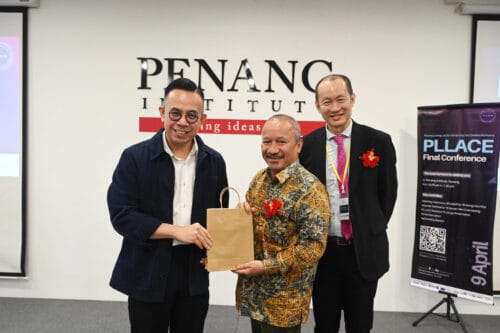
Entrepreneur Development and Cooperatives Minister Steven Sim, who was present, emphasised the need to balance culture and business.
“We want a Penang where culture and livelihood can grow together,” he said.
Sim said preserving culture requires a proper economic model where artisans are paid fairly, adding that this approach can help attract more visitors.
He also expressed hope that tourists would become part of Penang’s cultural experience.
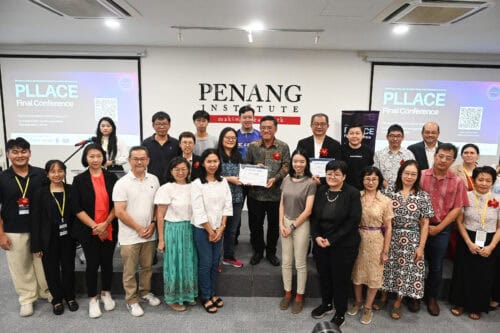
Among those present at the event were Bukit Bendera MP Syerleena Abd Rashid, Machang Bubok assemblyman Lee Khai Loon, Penang Institute executive director Datuk Dr Ooi Kee Beng, and Penang Art District adviser Lee Khai.
Story by Edmund Lee