

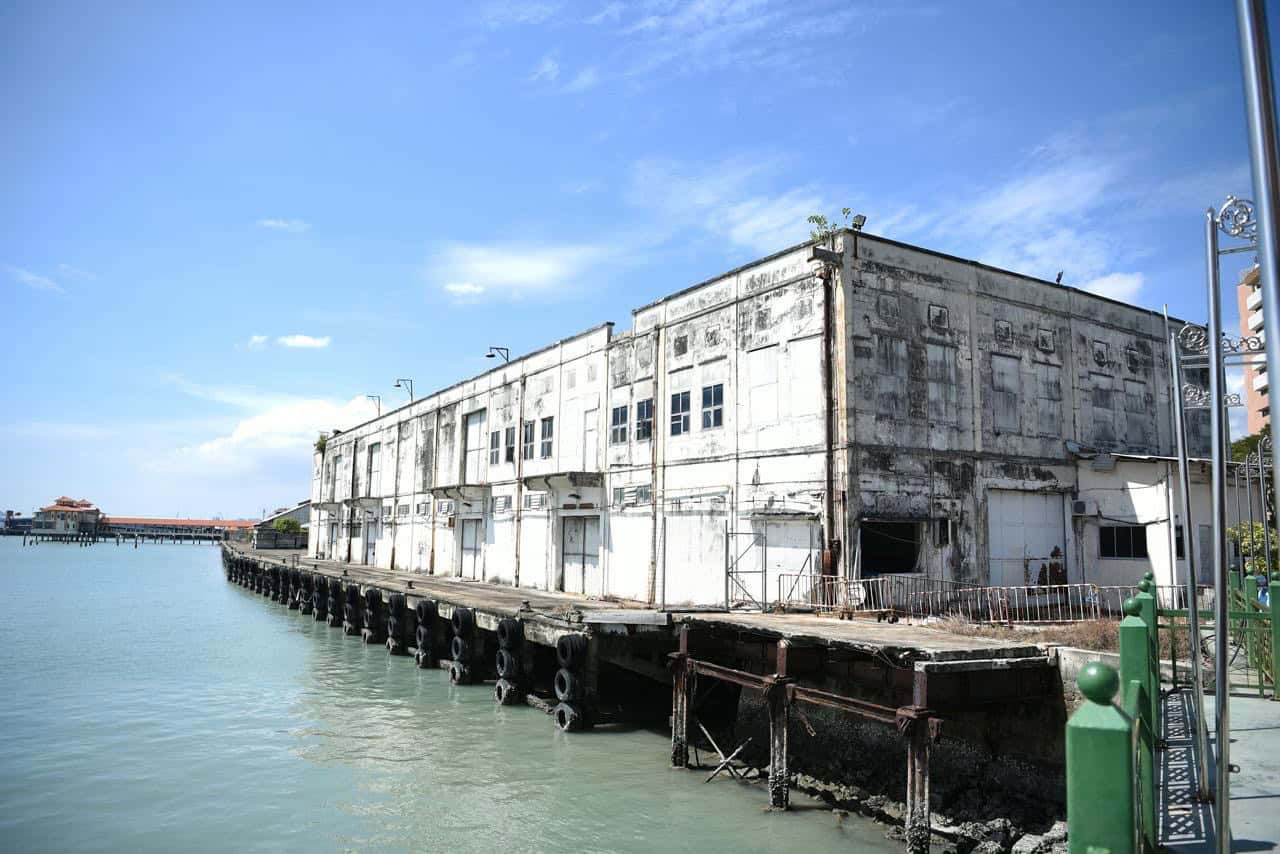

FOUR old warehouses surrounding the Swettenham Pier Cruise Terminal (SPCT) are set to undergo refurbishment and adaptive reuse, paving the way for a vibrant waterfront leisure destination featuring duty-free retail outlets, dining facilities, exhibition spaces and art markets.
Penang Tourism and Creative Economy Committee chairman Wong Hon Wai said the Penang Port Commission (PPC), through Penang Port Sdn Bhd (PPSB), would spearhead the redevelopment of Warehouses 2, 3, 4 and 6.
“Under the proposed plan, Warehouses 2, 3 and 4 are earmarked for duty-free retail facilities, while Warehouse 6 will be converted into retail space.
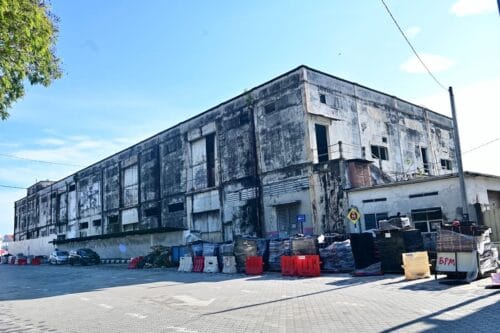
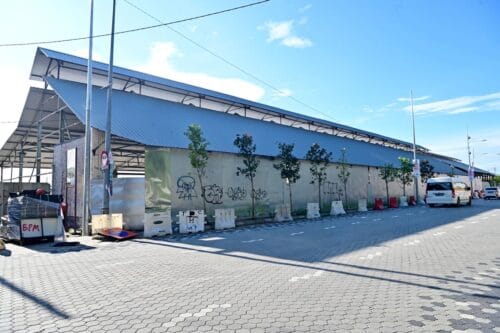
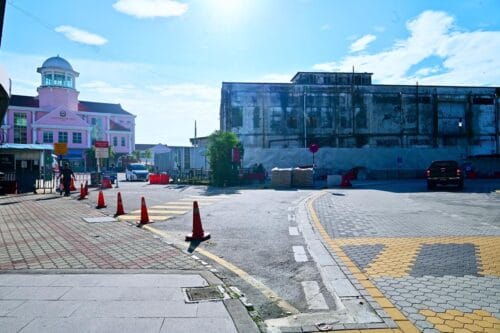
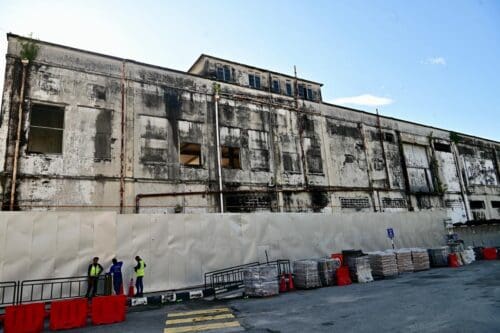
“The wider development will also feature food and beverage outlets, exhibition areas, small-scale art markets and event spaces, complemented by a pedestrian promenade along the waterfront,” he said.
Wong said the project seeks to breathe new life into the historic warehouses while preserving their distinctive architectural features and maritime heritage.
He said the adaptive reuse approach would allow the buildings to retain their historical significance while introducing new commercial and recreational attractions to the waterfront.
“It is also intended to strengthen the connection between the cruise terminal and George Town’s Unesco World Heritage Site, providing more retail and leisure options for cruise passengers, domestic tourists and local visitors,” he said.
According to Wong, refurbishment works are expected to commence in 2028, with construction estimated to take approximately 18 months and completion targeted for 2030, subject to the fulfilment of preliminary requirements and regulatory approvals.
He said preparatory works would include site investigations, design development, impact assessments, heritage conservation procedures and procurement exercises.
“A Conservation Management Plan (CMP) must also be prepared and approved before the conservation works can proceed,” he said.
Wong added that the redevelopment would have to take into account the cruise terminal’s existing passenger operations, particularly during peak arrival periods.
“This is to ensure that ground transportation arrangements and passenger movement remain smooth and uninterrupted throughout the construction period,” he explained.
Story by Riadz Akmal
Pix by Law Suun Ting