


KIDNEY transplantation remains the most effective treatment for patients with end-stage kidney disease, offering not only a better quality of life but also significant long-term savings for both patients and the nation’s healthcare system.
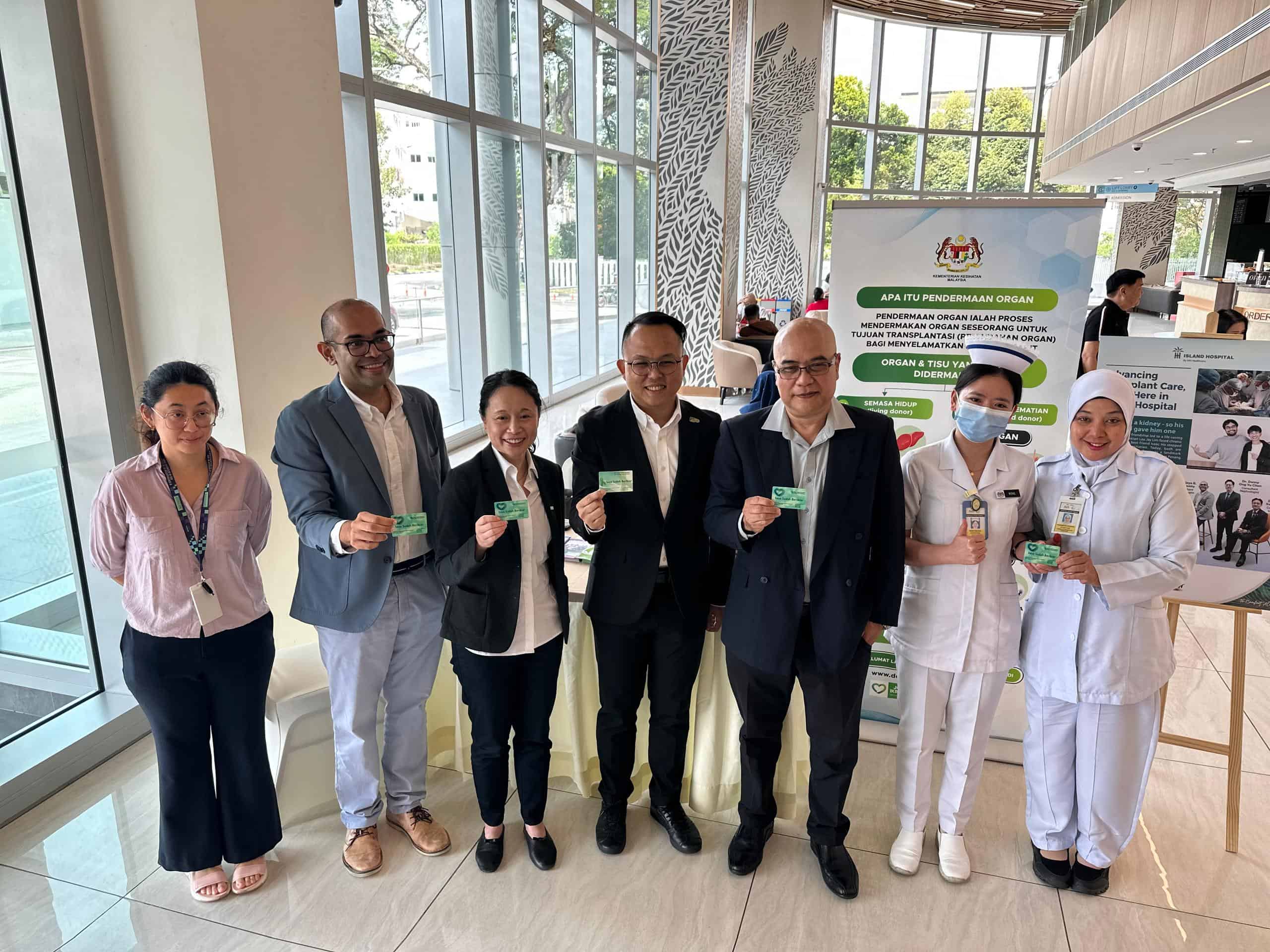
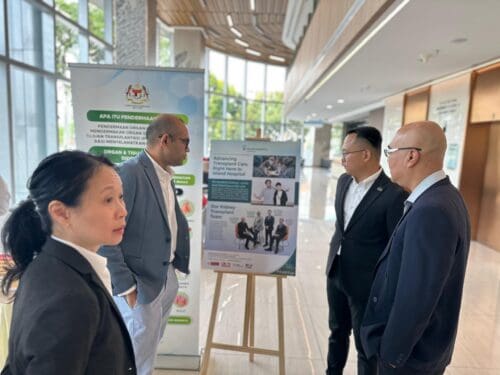
Medical experts highlighted this during a special sharing session held at Island Hospital (Peel Wing) on June 5 in conjunction with World Organ Transplant Day, where healthcare professionals, hospital management and state Youth, Sports, and Health Committee chairman Daniel Gooi engaged members of the media on the importance of organ donation and the growing need to expand transplant services.
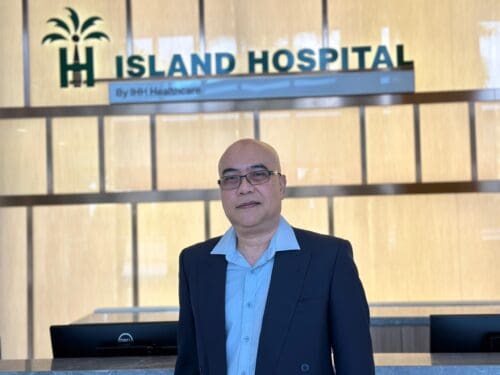
According to Island Hospital consultant urologist Dr S. Sritharan, Malaysia records about 10,000 new kidney failure cases annually, with an estimated 60,000 to 70,000 patients currently undergoing dialysis nationwide.
However, despite the growing demand, only about 250 kidney transplants are performed each year, with 70 to 80 per cent involving living-related donors such as spouses or family members.
“Kidney transplantation is the best form of treatment we can offer a patient with kidney failure because it returns them to as near a normal life as possible, allowing them to become productive members of society again.
“In the long run, dialysis is also much more burdensome economically compared to a transplant,” he said.
Dr Sritharan noted that while living-related donations remain the norm in Malaysia, there is untapped potential in non-related living donations.
He cited Island Hospital’s first kidney transplant involving two unrelated friends as an example of what can be achieved through careful medical evaluation and regulatory approval.
“They were simply friends who came forward willingly to donate. Today, the recipient is leading a near-normal life, making it a true success story,” he said.
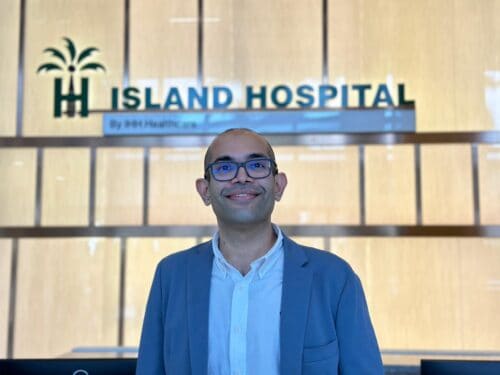
Island Hospital consultant nephrologist Dr Vijaya B. Ramasamy described kidney disease as a growing national healthcare challenge.
He said approximately 10,000 patients are currently waiting for a kidney transplant, while the number of dialysis patients is projected to continue rising sharply, placing an enormous burden on the country’s healthcare resources.
“Every day should be Transplant Day,” he said.
“By transplanting these patients, the nation can reduce healthcare costs by five to ten times because dialysis is far more expensive. Beyond that, transplantation also reduces hospital admissions, mortality and loss of productivity.”
Beyond the financial impact, Dr Vijaya stressed that transplantation restores dignity and independence to patients.
He recalled the case of a man in his 30s whose life was transformed following a kidney transplant earlier this year.
Before the procedure, the patient was too weak to work, required frequent dialysis sessions, had postponed his marriage and had been unable to travel for two years.
“Today, he has gone on his first holiday with his fiancée to Bangkok and is now planning to start a family. These are things many of us take for granted but became possible only because of the transplant,” he said.
The transplant, he added, was made possible after the hospital successfully obtained approval from the Ministry of Health for a non-related donor, who was the patient’s close friend.
“We fought for him. We wrote to the government and eventually received approval from the Director-General of Health. The outcome has been very good.”
Dr Vijaya also highlighted that the recipient’s medical insurance approved the transplant within an hour, recognising that transplantation is far more cost-effective than years of ongoing dialysis and repeated hospital admissions.
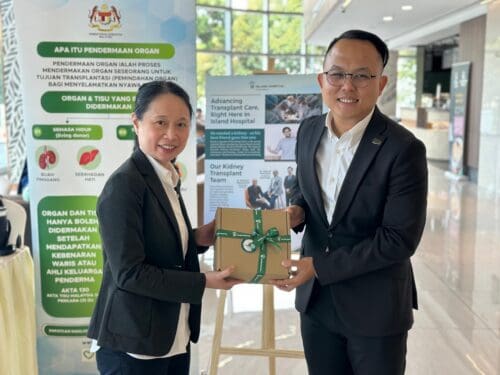
During the question-and-answer session, Dr Vijaya explained that while unrelated living kidney donations are permitted in Malaysia, they require approval from the Ministry of Health’s Unrelated Transplant Assessment Committee to ensure there is no commercial element involved.
He encouraged potential donors and recipients to consult their doctors early, assuring that the hospital’s multidisciplinary team would guide them through the application and evaluation process.
Addressing concerns over donor safety, Dr Sritharan said every potential donor undergoes extensive medical assessments before surgery.
“We will make sure the donor is completely healthy. A person can live a completely normal life with one kidney because the kidneys have a tremendous reserve.
“Studies have also shown that kidney donors continue to live healthy and productive lives, often even healthier because they receive regular medical follow-ups,” he said.

Meanwhile, Penang Hospital anesthesiologist and intensive care specialist Dr Lim Shoo Juen described organ donation as one of the greatest gifts a person can offer.
“It is not only life-changing for one individual but also for an entire family,” he said.
Besides kidneys, organs and tissues that can be donated include the liver, heart, corneas, skin and bones, enabling recipients to regain their health and return to society.
Dr Lim explained that organs from deceased donors remain the backbone of Malaysia’s transplant programme, particularly those declared brain-dead.
However, obtaining consent remains one of the biggest challenges.
“Without prior discussion or awareness, families are often overwhelmed when confronted with the concept of brain death and organ donation.
“At that emotional moment, asking them to consider donation becomes extremely difficult,” he said.
He added that raising awareness among both healthcare professionals and the public is essential to ensure more potential donors are identified, and more lives can be saved.
Island Hospital and Gleneagles Hospital chief executive officer Lim Kooi Ling said Island Hospital is currently the only private hospital in northern Malaysia capable of performing organ transplantation.
She noted that despite more than 200 private hospitals operating nationwide, only four possess such capabilities.
“It is not because there is no demand. The expertise and commitment required are significant, and we are committed to making transplantation an option for patients in the northern region.
“We hope to work closely with the government and public hospitals to complement existing services and provide greater access to world-class care within our community,” she said.
Meanwhile, Gooi called on more Malaysians to register as organ donors, noting that public willingness to donate blood has long been encouraging but organ donation continues to face cultural and social barriers.
“We have many Penangites who willingly donate blood, but organ donation remains challenging because of stigma and misconceptions.
“There have been cases where individuals pledged to become organ donors, but their family members were unaware of their decision and declined consent after their passing,” he said.
Gooi, who pledged to become an organ donor in June last year, urged Malaysians to discuss their wishes with family members to ensure their decisions would be respected.
He also reminded the public that organ donor pledges can be made through the MySejahtera application.
“I encourage everyone, especially Penangites, to pledge as organ donors. One day, your decision could save someone else’s life, perhaps even someone close to you,” he said.
Story and pix by Kevin Vimal