

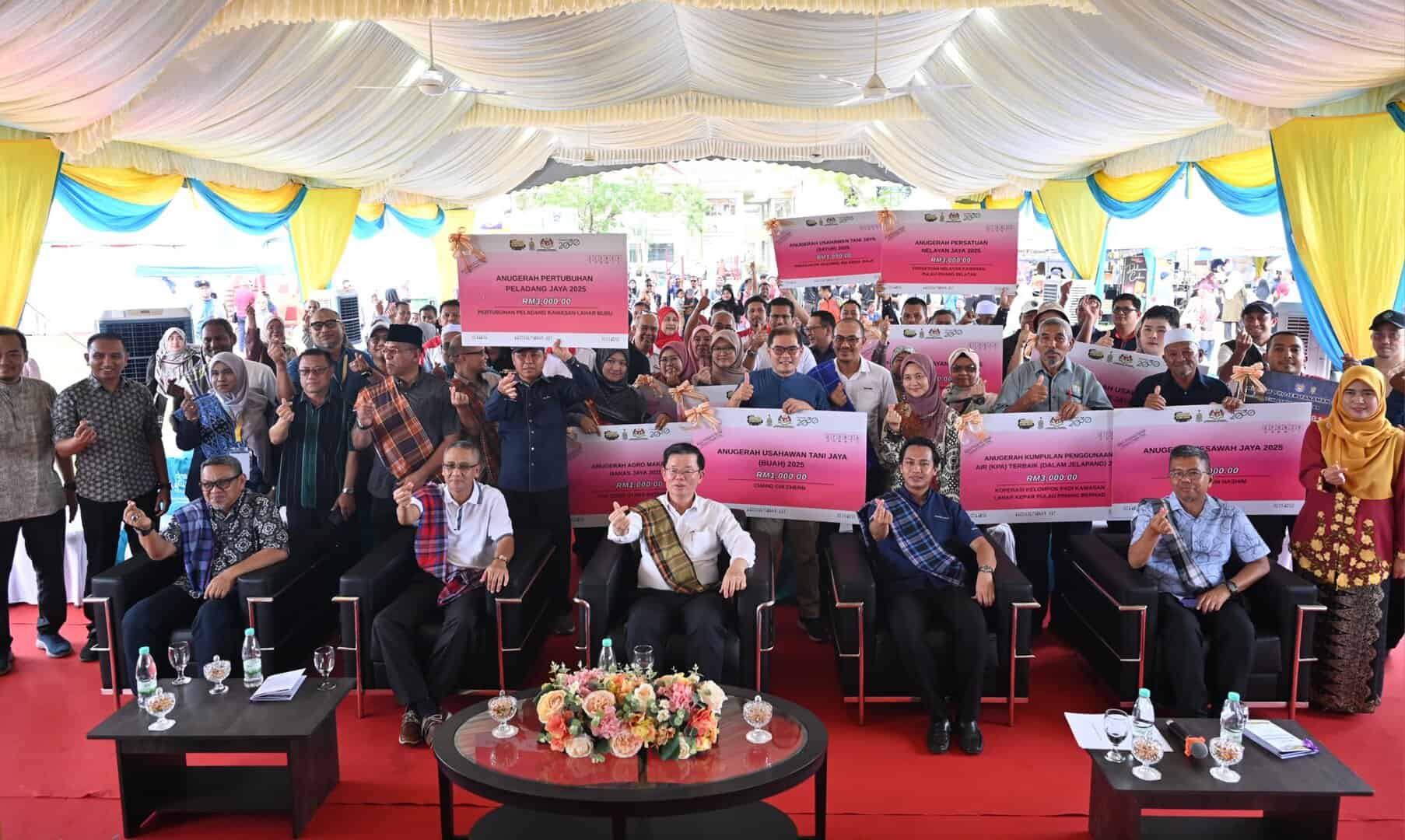

THE livestock industry continues to play a critical role in supplying an essential source of protein for the people of Penang, making it one of the most important sectors within the state’s agricultural landscape.
Chief Minister Chow Kon Yeow, citing interim findings from the 2023 Penang Agricultural Census, revealed that the livestock sector accounted for the largest share – 44% – of Penang’s total agricultural sales value, which stood at RM3.5 billion.
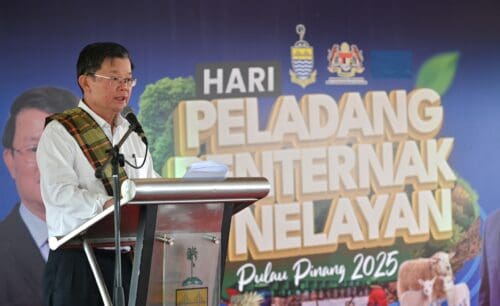
“In 2024, Penang’s Livestock Production Value (NHT) reached RM1.906 billion, reflecting an increase of RM41.54 million compared to the previous year,” Chow said during the closing ceremony of the Hari Peladang, Penternak & Nelayan Peringkat Negeri Pulau Pinang 2025 (HPPN 2025) at Malaysian Agricultural Research and Development Institute (Mardi) in Kepala Batas today.
He noted that poultry, specifically chickens and ducks, including their meat and eggs, remains the largest contributor, making up 91.75% of the total NHT in 2024.
Also present at the event were Penang State Secretary Datuk Zulkifli Long, Penang Agrotechnology, Food Security and Cooperative Development Committee chairman Fahmi Zainol, Penang Trade, Entrepreneurial Development and Rural Development Committee chairman Datuk Rashidi Zinol, Seberang Perai City Council (MBSP) mayor Datuk Baderul Amin Abdul Hamid, Penang Veterinary Services Department (JPV) director Dr Saira Banu Mohamed Rejab and Penang Agriculture Department director Mohd Muhaimin Ibrahim.
Chow emphasised the state government’s firm commitment to supporting and enhancing the productivity of small-scale and traditional livestock farming.
“This includes support for ruminant development through the Livestock Industry Development Project.
“Additionally, disease prevention, control, and eradication programmes – especially for economically significant and zoonotic diseases – remain a top priority to protect public health and ensure the sustainability of the livestock sector,” he said.
He added that for self-sustaining livestock industries such as poultry and pig farming, the implementation of the Poultry Farming Enactment aims to drive the sector’s transformation towards modern, commercial-scale farming.
“The adoption of closed-house systems has become a key requirement, not only to increase production volume and quality but also to make the industry more environmentally friendly and sustainable, aligned with the state’s rapid development,” Chow said.
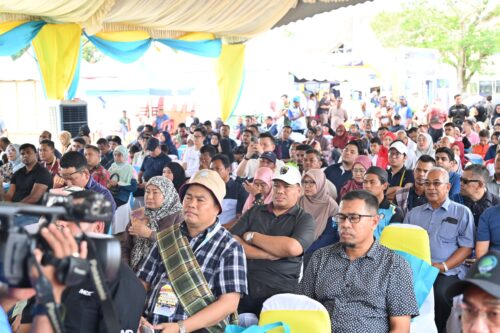
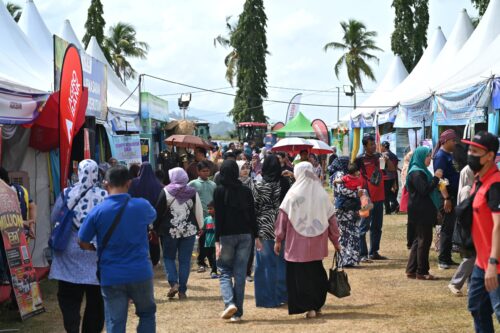
Meanwhile, Fahmi highlighted that the implementation of HPPN 2025 serves as a strategic platform to showcase and promote local agro-based products, livestock, and fisheries particularly those with a distinct Penang identity, by embracing modern technology and smart farming practices in both production and processing.
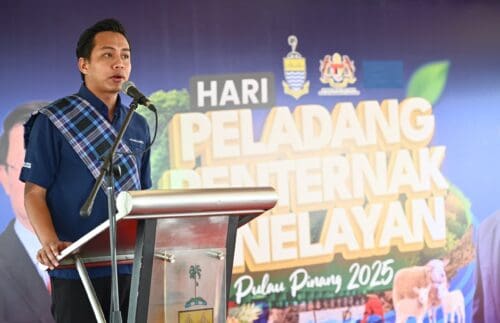
“HPPN is not a new initiative in Penang. In fact, it has become a significant annual event that attracts visitors from within and outside the state, contributing to the growth of Penang’s agro-tourism sector,” he said.
Story by Riadz Akmal
Pix by Ahmad Adil Muhamad
Video by Alissala Thian