

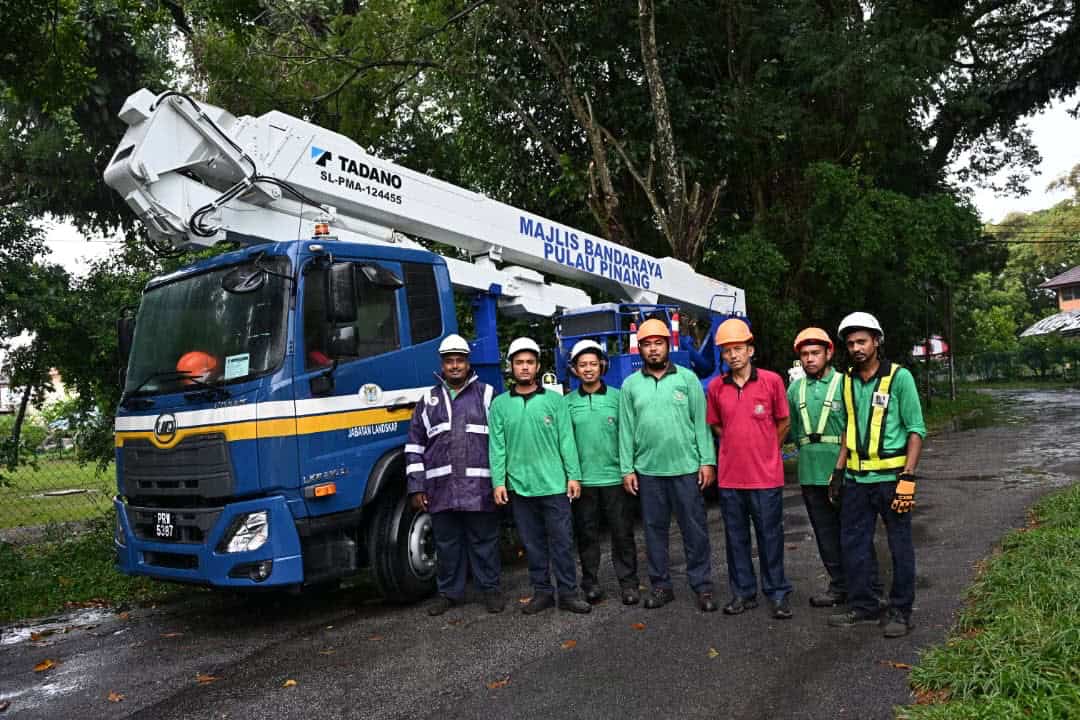

THE Penang Island City Council (MBPP) is adopting artificial intelligence (AI) technology and satellite data through its Smart Green Penang system to monitor the health and condition of approximately 14,000 trees across Penang island.
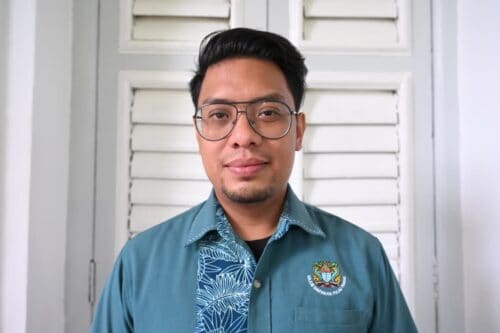
MBPP Landscape Department assistant architect Muhammad Zulfiqar Ahmad Shahral Badri said the system serves as a comprehensive tree inventory database and helps the council identify trees that may pose safety risks to the public.
Speaking to Buletin Mutiara during an interview session, he said the system is capable of detecting the condition of trees and providing early warning alerts when a tree is identified as potentially hazardous.
“The system allows us to obtain information on the health and condition of trees. Based on the data collected, we are able to plan and carry out the necessary maintenance works.
“If the system detects a tree that may pose a risk, it will issue a warning alert. Our officers will then conduct a site inspection before deciding on the most appropriate action, including pruning, maintenance or removal if necessary,” he said.
Zulfiqar, who has been serving in the Arborist Unit for the past eight years, said the system incorporates the satellite technologies to gather and analyse information on individual trees.
According to him, the department also relies on complaints received from the public as an additional monitoring mechanism.
“When we receive complaints from the public, our officers will inspect the tree concerned and assess its condition before determining the appropriate course of action.
“This complements the monitoring carried out through the system and helps us respond more effectively to potential risks,” he said.
Zulfiqar said that while approximately 14,000 trees have been registered in the system, only a small number are categorised as high-risk.
“At present, we estimate that between 20 and 30 trees are considered high-risk. These cases are prioritised, and we aim to carry out the necessary action within a month after the warning is generated by the system,” he said.
He added that most of the high-risk trees identified are more than 150 years old and are subjected to regular monitoring and maintenance to ensure public safety.
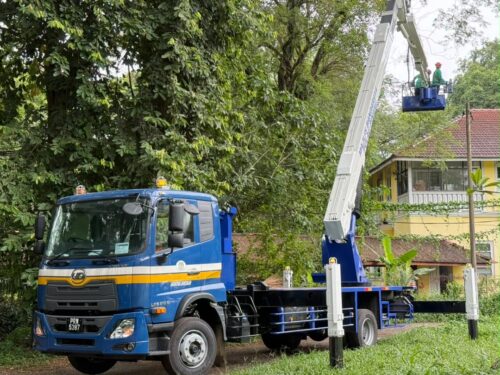
“These trees are located in various parts of Penang island. Our unit conducts periodic inspections and monitoring, while our in-house team carries out maintenance works whenever necessary.
“Our priority is to ensure that these trees remain safe and do not pose any danger to road users or members of the public,” he added.
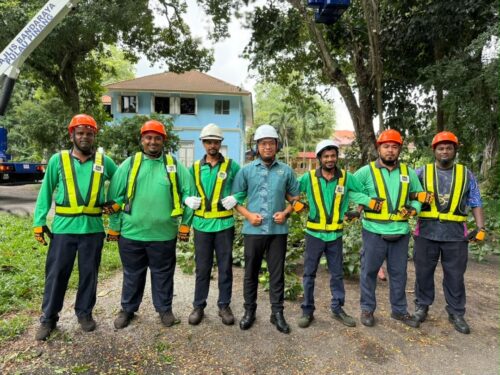
Adidarma Malik, 41, who joined MBPP’s Landscape Department in 2019 after working in the private sector, said his seven years of service have provided him with extensive experience in handling public complaints and managing tree maintenance operations.
He said the department’s tree maintenance and felling operations are divided into three zones, with dedicated teams assigned to each area.
“Throughout my tenure, I’m working closely with colleagues to ensure tree-related issues are addressed efficiently for the safety and convenience of the public,” he said.
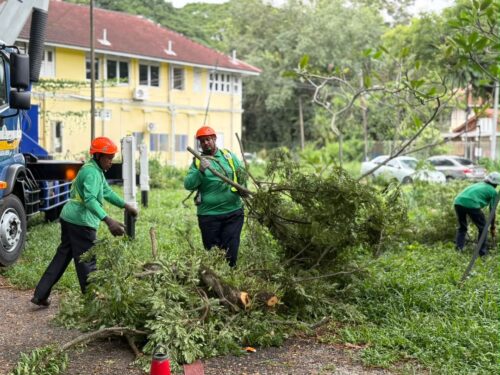
According to Adidarma, one of the biggest challenges faced by the team is responding to fallen tree incidents, particularly during heavy rain and storms.
“Such situations often require coordination with agencies such as the Fire and Rescue Department and the police, with crews working around the clock to clear affected areas and restore access as quickly as possible,” he added.
He pointed out that the team has on several occasions worked through the night to handle emergency cases involving fallen trees.
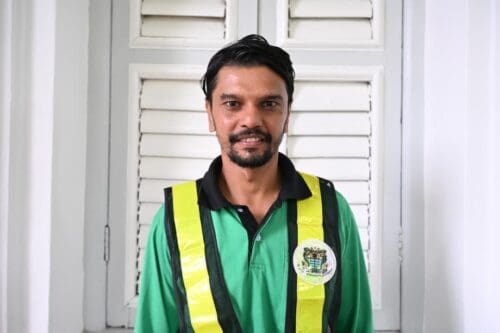
“Despite the demanding nature of the job, the priority remains ensuring public safety and minimising disruption to residents,” he stressed.
On MBPP’s tree management efforts, Adidarma mentioned the council utilises a digital tree inventory and monitoring system that helps officers assess the condition and age of trees.
“The system supports maintenance planning and enables the department to monitor ageing trees more effectively while preserving the city’s greenery,” he quipped.
Story by Edmund Lee
Pix by Muhammad Iqbal Hamdan