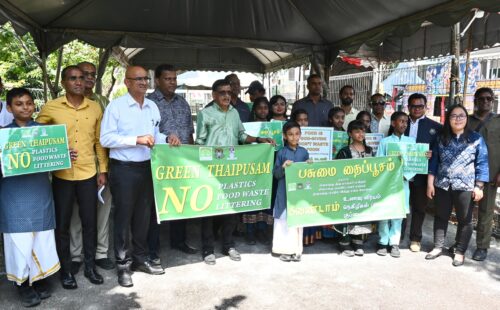


THE Penang Island City Council (MBPP) has introduced a comprehensive and sustainable solid waste management plan for Thaipusam 2026, aimed at reducing landfill dependency and improving cleanliness along procession routes, says mayor Datuk A. Rajendran.
He said Thaipusam is one of the largest religious celebrations in Penang and generates a high volume of waste within a short period.
“Based on previous data, about 100 tonnes of solid waste are generated during the annual celebration period, with an estimated 20 to 30 tonnes of food waste on Thaipusam Day alone,” he said.
Rajendran said MBPP is implementing three main initiatives this year — food waste processing, coconut waste diversion and milk waste treatment using anaerobic digesters — as part of its commitment to sustainable waste management.
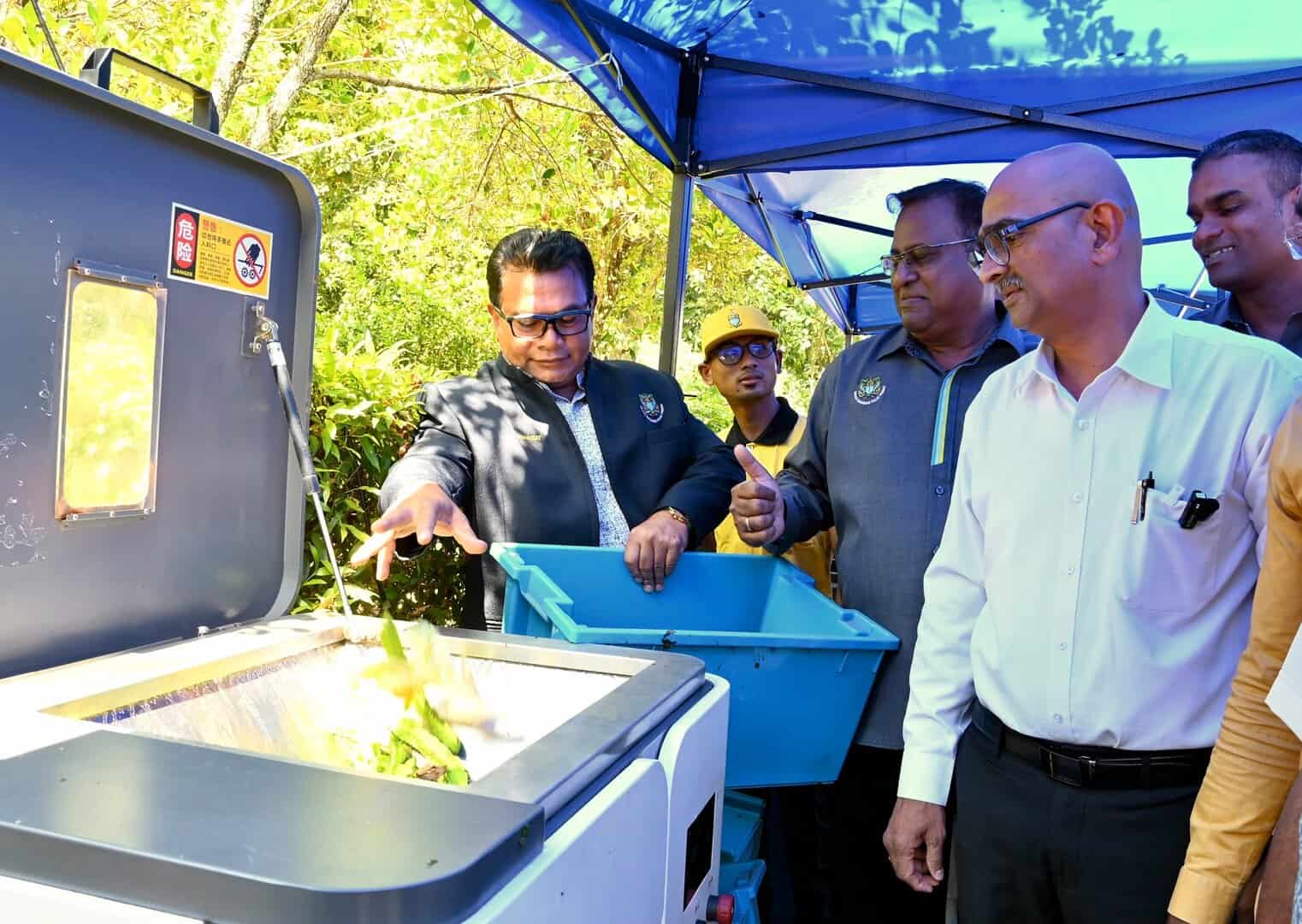
“This year, MBPP is introducing a pilot project using a Food Waste Separator machine. Food waste collected along the panthal routes will be processed at our Jalan Utama facility,” he said.
He said food waste must be disposed of only in clearly labelled ‘Food Waste’ or ‘Leftovers Only’ bins, which will be collected by the council’s workers.
“The machine separates food waste into treated water, used oil and dried residue. This process is expected to reduce 50% to 60% of food waste requiring disposal. The dried residue will be converted into compost, supporting the circular economy,” he said.
Rajendran said MBPP will also divert coconut waste, which was previously sent to a landfill, for reuse as a green alternative fuel.
“An estimated 30 to 40 tonnes of coconut waste will be collected and repurposed this year,” he said.
He added that milk waste generated during the festival will be sent to Ampang Jajar for treatment using anaerobic digesters, producing biogas and fertiliser by-products.
“This supports the state government’s aspiration towards a greener and more sustainable Penang,” he said.
Rajendran said these initiatives would reduce greenhouse gas emissions, minimise leachate generation, control odour problems and ensure higher cleanliness standards throughout the celebration period.
He called on the commercial and industrial sectors, including hotels, restaurants, factories, corporate cafeterias and event organisers, to collaborate with MBPP by adopting food waste separation and processing technologies.
“Waste separation is becoming part of our daily life. Future events that generate food waste must take similar responsibility towards environmental protection,” he said.
Rajendran also reminded devotees, traders and visitors to comply with MBPP’s cleanliness regulations, stressing that indiscriminate dumping of waste would not be tolerated.
“Food waste must be placed in the designated bins. Enforcement action may be taken under Section 47(1) of the Streets, Drainage and Building Act, with a fine of RM250 per offence,” he said.
He added that temporary permits for food traders have been approved from Jan 31 to Feb 2, subject to strict conditions, including valid food-handling certification and typhoid vaccination, proper attire with head coverings, no direct hand contact with food, sealed waste containers and the ban on polystyrene food containers and plastic straws.
Rajendran said MBPP has approved 182 temporary panthal permits, valid from Jan 30 to Feb 4, with all structures required to be dismantled by Feb 6.
“Panthal owners must ensure their structures do not obstruct traffic, public walkways, fire hydrants, drains, traffic lights, CCTV, tactile paving or other public facilities, and must maintain cleanliness around their premises,” he said.
On traffic management, Rajendran urged visitors to park only in designated areas, warning that vehicles obstructing traffic or emergency access may be towed.
He encouraged the public to use Rapid Penang’s special bus services, which will operate from Jan 31, to ease congestion during the festival.
Rajendran reiterated MBPP’s ongoing ‘No Plastic Bag’ and ‘No Plastic Straw’ campaigns, stressing that cultural celebrations and environmental responsibility must go hand in hand.
“Public cooperation is crucial to ensure a clean, safe and sustainable Thaipusam celebration for future generations,” he said.