

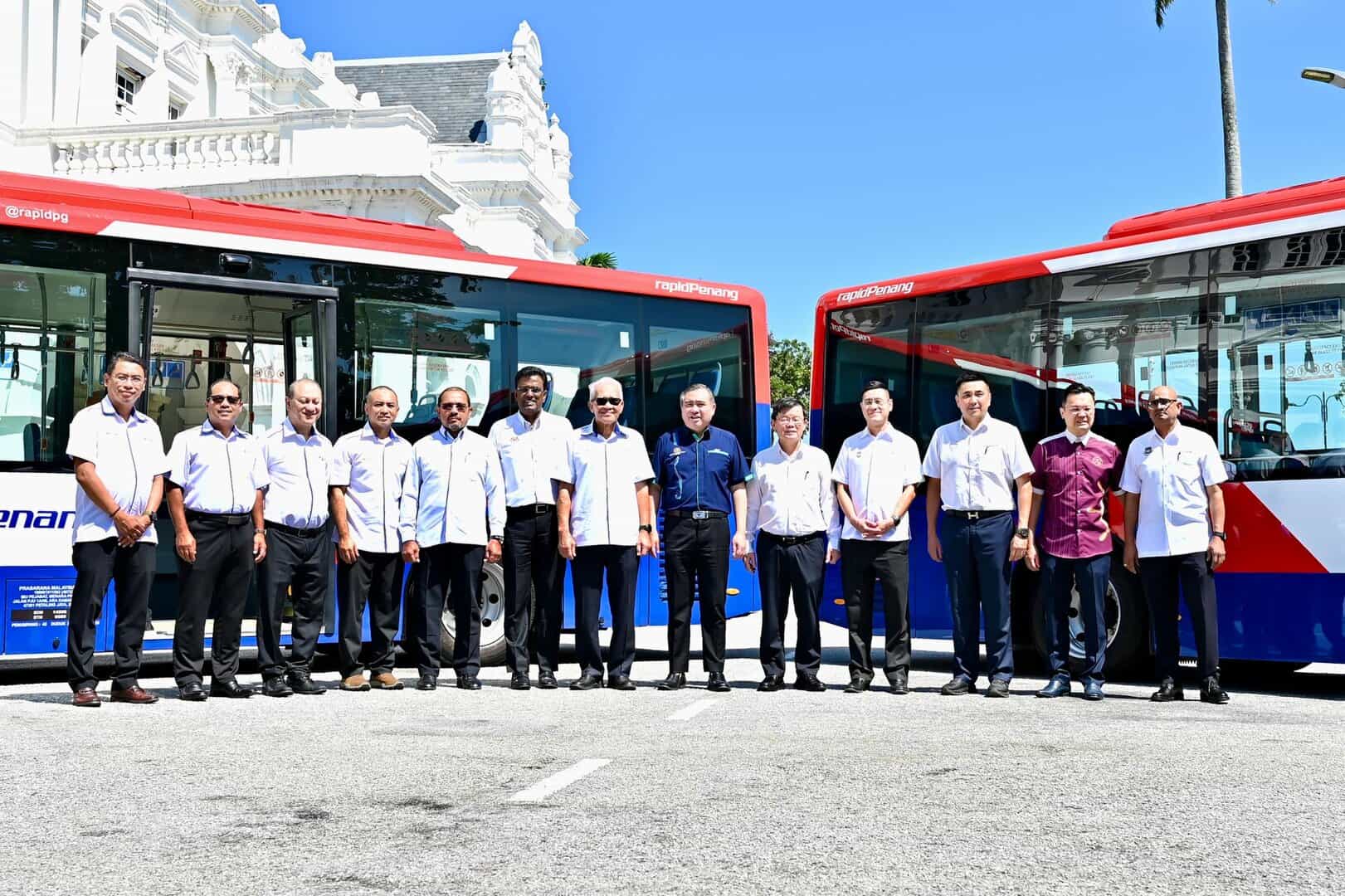

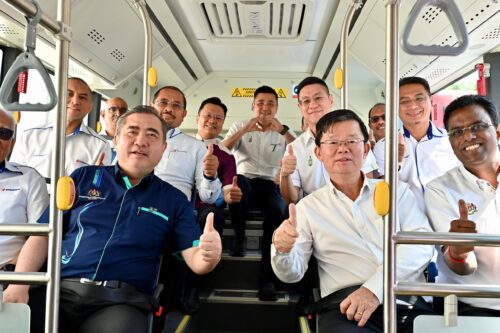
PENANG has entered a new era of public transportation with the introduction of new Rapid Penang buses, while electric vehicle (EV) buses and vans are firmly on the horizon as part of a broader push towards greener, more modern mobility.
Transport Minister Anthony Loke Siew Fook announced that the long-overdue replacement of ageing Rapid Penang buses will begin this year, marking a significant upgrade for the state’s public transport system.
“At present, Rapid Penang has a fleet of 310 buses operating across the island and Seberang Perai. Many of these buses are more than 10 years old, and it is time for them to be replaced in stages,” he said.
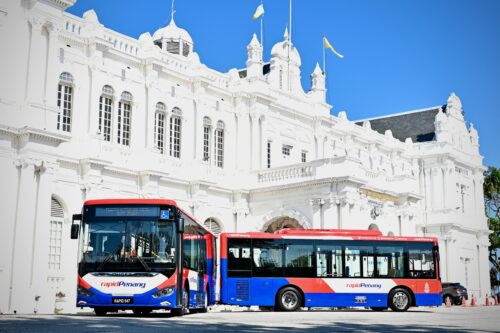
He revealed that 10 new diesel buses have already arrived and will begin operations immediately, with another 60 scheduled to arrive next month, bringing the total to 70.
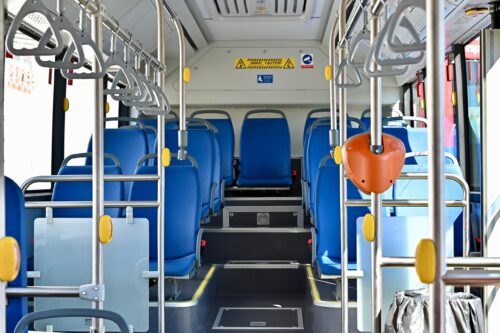
“These 70 diesel buses will be the last of their kind. Moving forward, the replacement of buses will focus more on mini buses, including EV buses,” Loke said, describing the move as “a new phase, a new era for public transport in Penang”.
According to him, a total of 240 mini buses will be procured in two phases to replace older buses. The first phase involves 75 buses, expected to arrive from May this year until March next year, while the second phase of 165 buses will begin procurement this year and is projected to be completed by the end of 2027.
“This is in line with the Penang state government’s aspiration to make the state more environmentally friendly. It is an investment not only in comfort and modernity, but also in reducing carbon emissions,” he said, adding that EV charging infrastructure is already being developed at depots to support future EV bus operations.
Acknowledging the higher costs involved, Loke noted that EV buses are significantly more expensive than diesel buses.
“Generally, an EV bus costs almost twice as much as a diesel bus, with prices ranging between RM1.2 million and RM1.5 million per unit,” he said, explaining that final costs would only be announced after procurement to ensure best value for money.
He also highlighted the encouraging response to the Rapid On-Demand service, launched last year, using 50 vans.
“The response from Penangites has been quite positive. We are considering the state government’s request to increase the number of vans, and Prasarana is planning to add 170 EV vans for Rapid On-Demand in Penang,” he said, with procurement expected to begin in the second half of this year.
Loke stressed that Rapid Penang remains a top priority, noting that it is Prasarana’s second-largest operation after Kuala Lumpur. He also urged the public to remain patient as construction of the Penang LRT Mutiara Line project gathers pace.
“This year, more construction sites will open, and there will be road narrowing and heavier congestion. This is a difficulty we must go through for major infrastructure projects like the LRT,” he said, adding that mitigation plans are being implemented in collaboration with local authorities to minimise disruption.
Chief Minister Chow Kon Yeow welcomed the announcements, describing them as timely and crucial for Penang’s transport ecosystem.
“Many of the first-generation Rapid Penang buses have served for more than 10, 12, or even 15 years, and it is indeed time for replacement.
“This includes diesel buses and EV buses as Prasarana’s green transport direction for Malaysia, including Penang,” he said.
He said the expansion of Rapid On-Demand services would also help address public concerns about last-mile and first-mile connectivity, particularly ahead of the completion of the LRT Mutiara Line.
“All these plans by the Ministry of Transport, Prasarana and Rapid Bus are aimed at ensuring seamless connectivity so that more users will be attracted to use the LRT when it is completed,” Chow said.
Chow also highlighted the strong collaboration between the Federal and state governments, noting that Penang has long supported bus services through state allocations alongside federal funding.
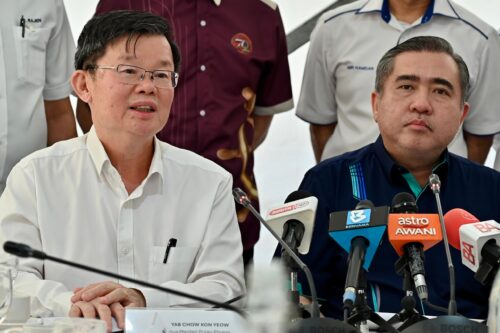
“These efforts have already resulted in increased ridership year after year. We hope that ridership can recover faster than pre-pandemic levels, ideally within this year, following the replacement of buses,” he added.
On infrastructure support, Chow said the state government remains committed to facilitating depot planning and alternative sites where necessary, especially as development projects progress.
During the question-and-answer session, Loke disclosed that RM1.5 million out of a RM5 million federal allocation this year has been channelled to Penang to upgrade bus stops, allowing as many facilities as possible to be improved.
Responding to queries on water taxis, Loke said Penang ferry services between Penang Sentral and George Town continue to perform well, with no major complaints received. However, proposals for water taxis have yet to materialise due to safety, licensing and infrastructure requirements.
“Any water transport must comply with licensing and safety regulations under the Marine Department, and issues such as landing points and jetty locations must be clearly resolved,” he said, while welcoming private sector initiatives that meet regulatory standards.
Also present at the event were state Infrastructure, Transport and Digital Committee chairman Zairil Khir Johari, state Local Government, Town and Country Planning Committee chairman Jason H’ng Mooi Lye, Penang Port Commission (PPC) chairman Datuk Yeoh Soon Hin, Penang Island City Council (MBPP) Datuk A. Rajendran, Ministry of Transport secretary-general Datuk Seri Jana Santhiran Muniayan, and other key officials.
Story by Kevin Vimal
Pix by Siti Nuratikah Rahmat
Video by Siew Chia En