

PENANG must continue to progress and remain competitive without losing its identity, character and soul, says Chief Minister Chow Kon Yeow.
He said heritage was not merely a legacy of the past, but also an asset for the future that could contribute to tourism, the creative economy, employment opportunities and community well-being.
“Penang is truly a unique “living museum”. From its architecture, traditional villages, religious sites and cultural landscapes to its languages, food, performing arts and customs, all these elements shape the face and identity of our state.
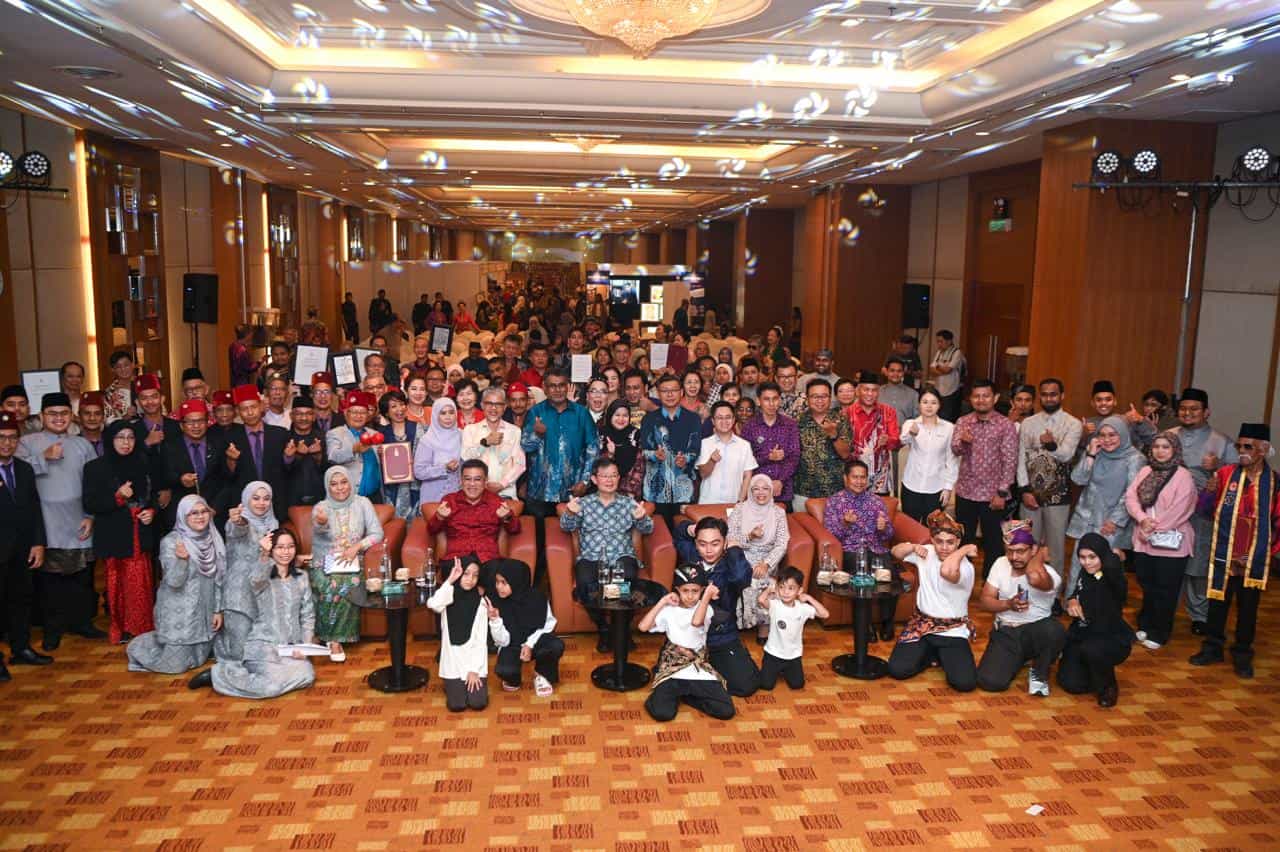
“Heritage is not merely the history we leave behind, but the identity we keep alive and the legacy we entrust to future generations,” he said at the Second State Heritage Declaration and Heritage Site Designation Ceremony under the Penang State Heritage Enactment 2011 at Cititel Penang Hotel in Georgetown today.
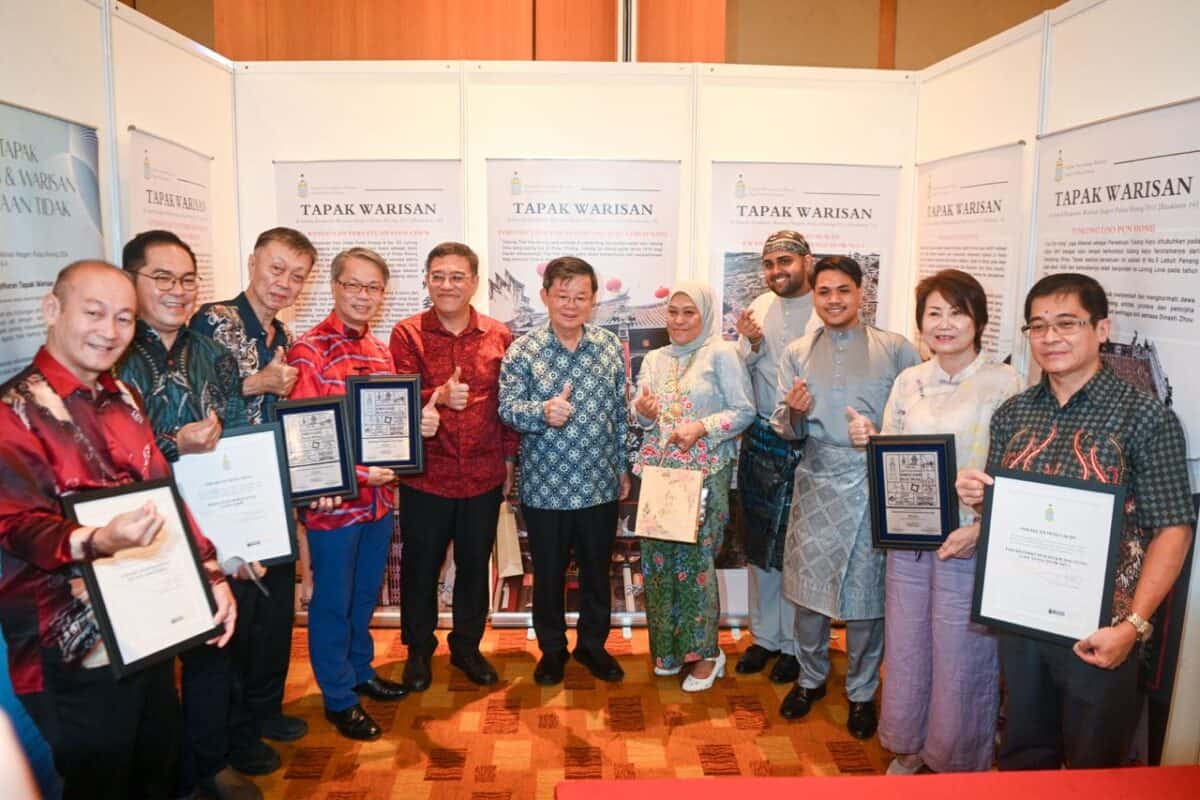
Chow said the state government remained committed to preserving, protecting and promoting Penang’s heritage, which encompassed not only historic buildings and sites but also the intangible cultural heritage that formed the identity of its communities.
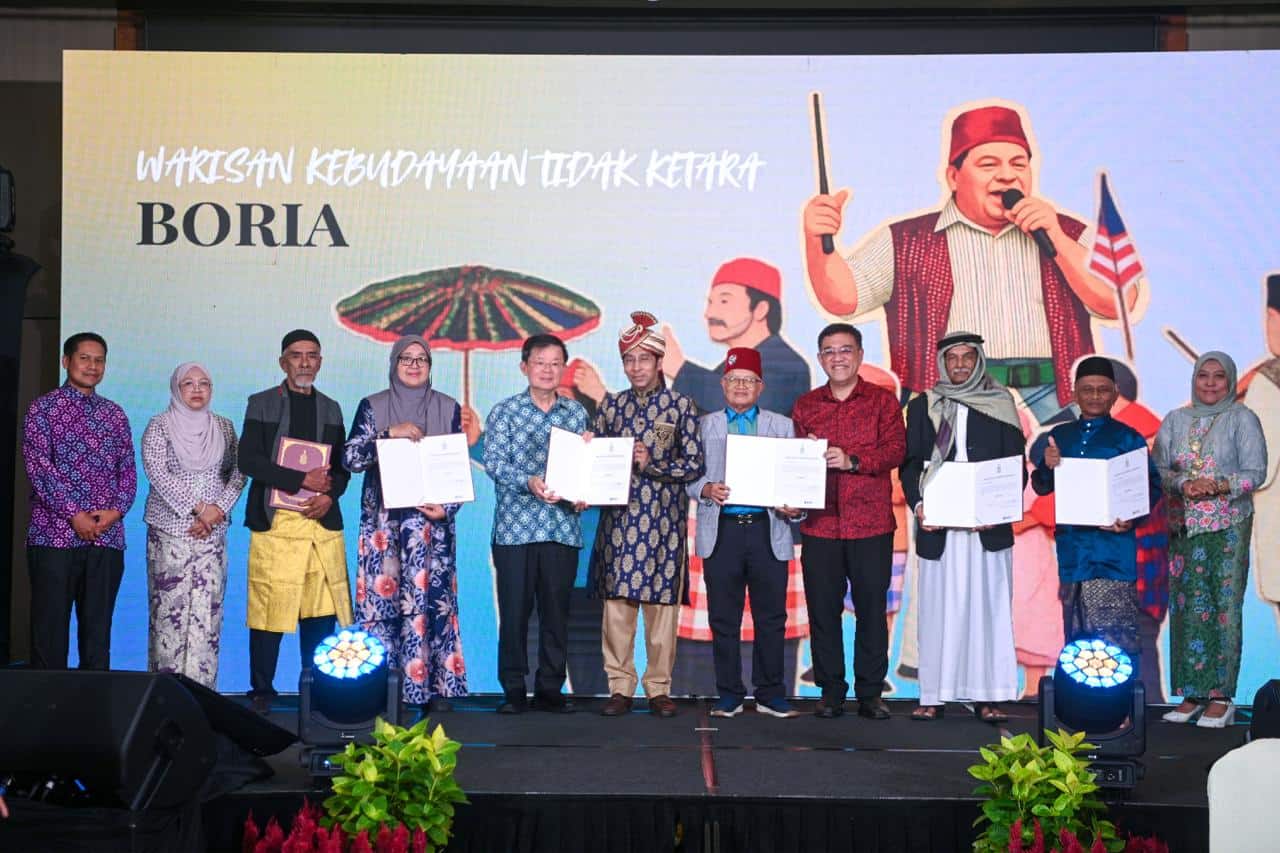
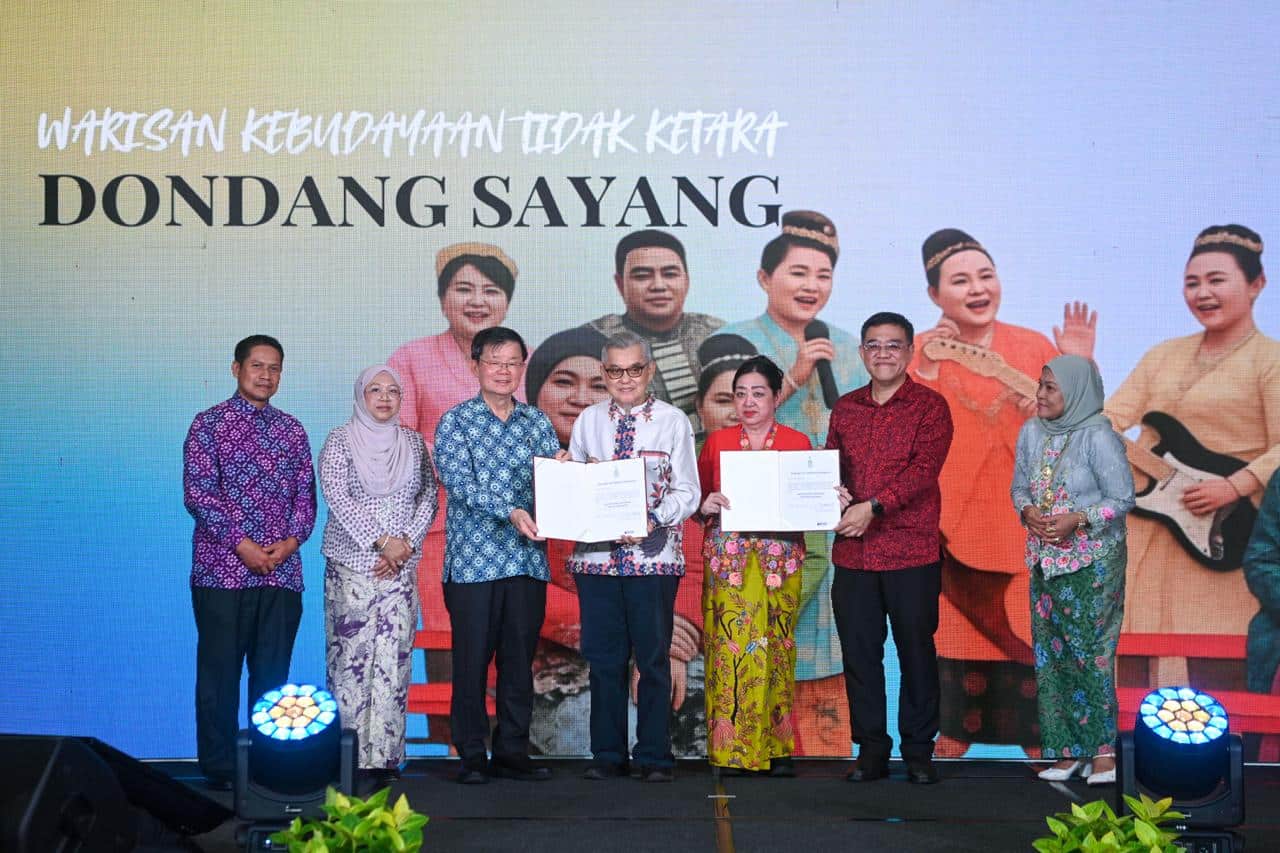
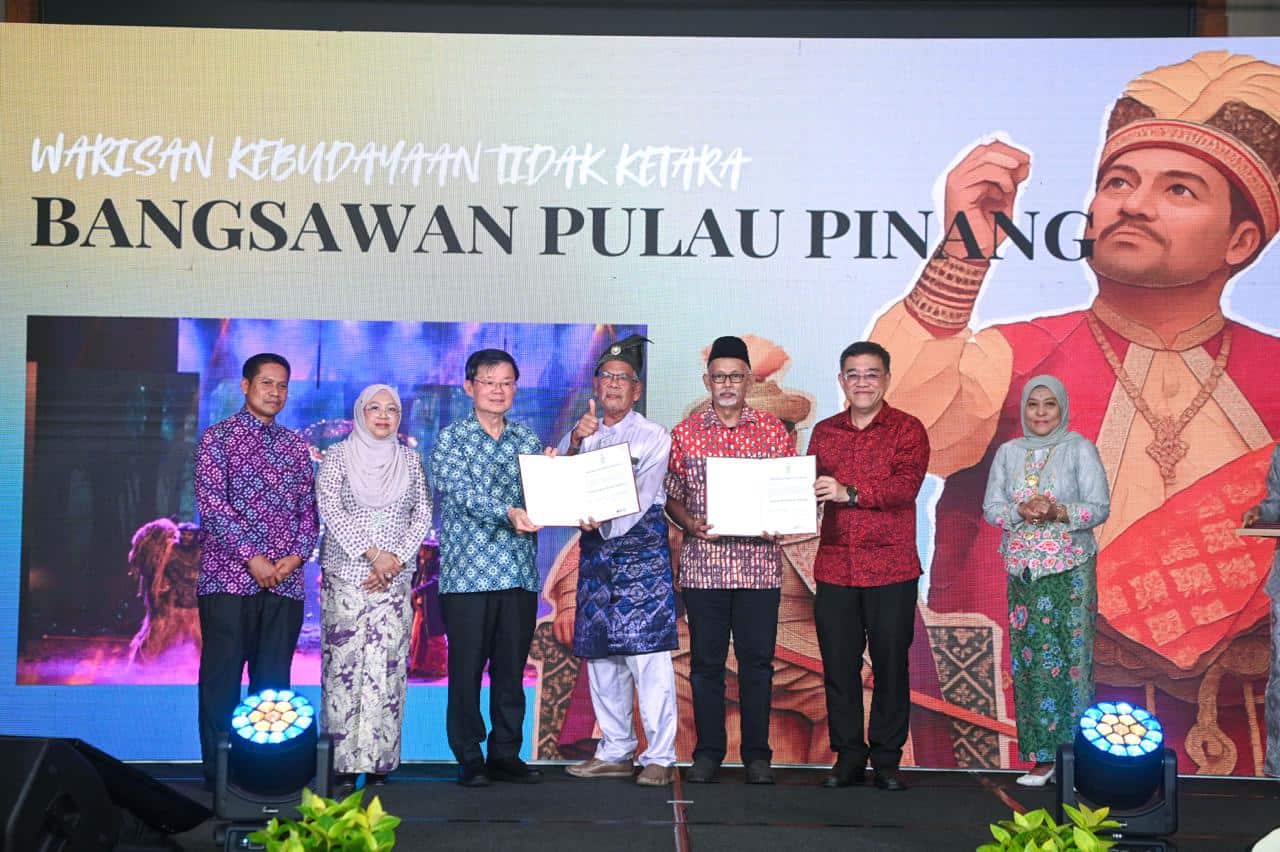
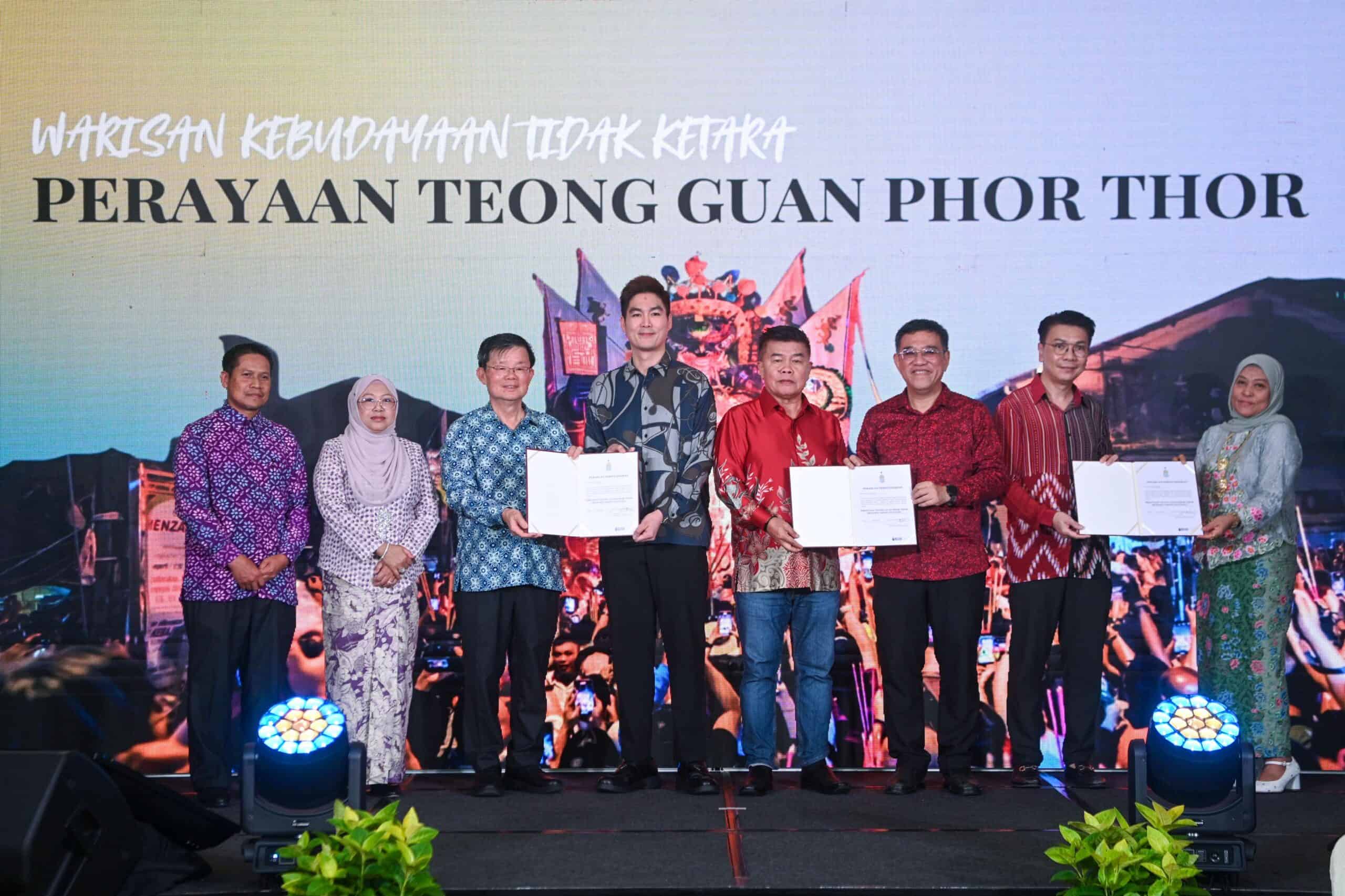
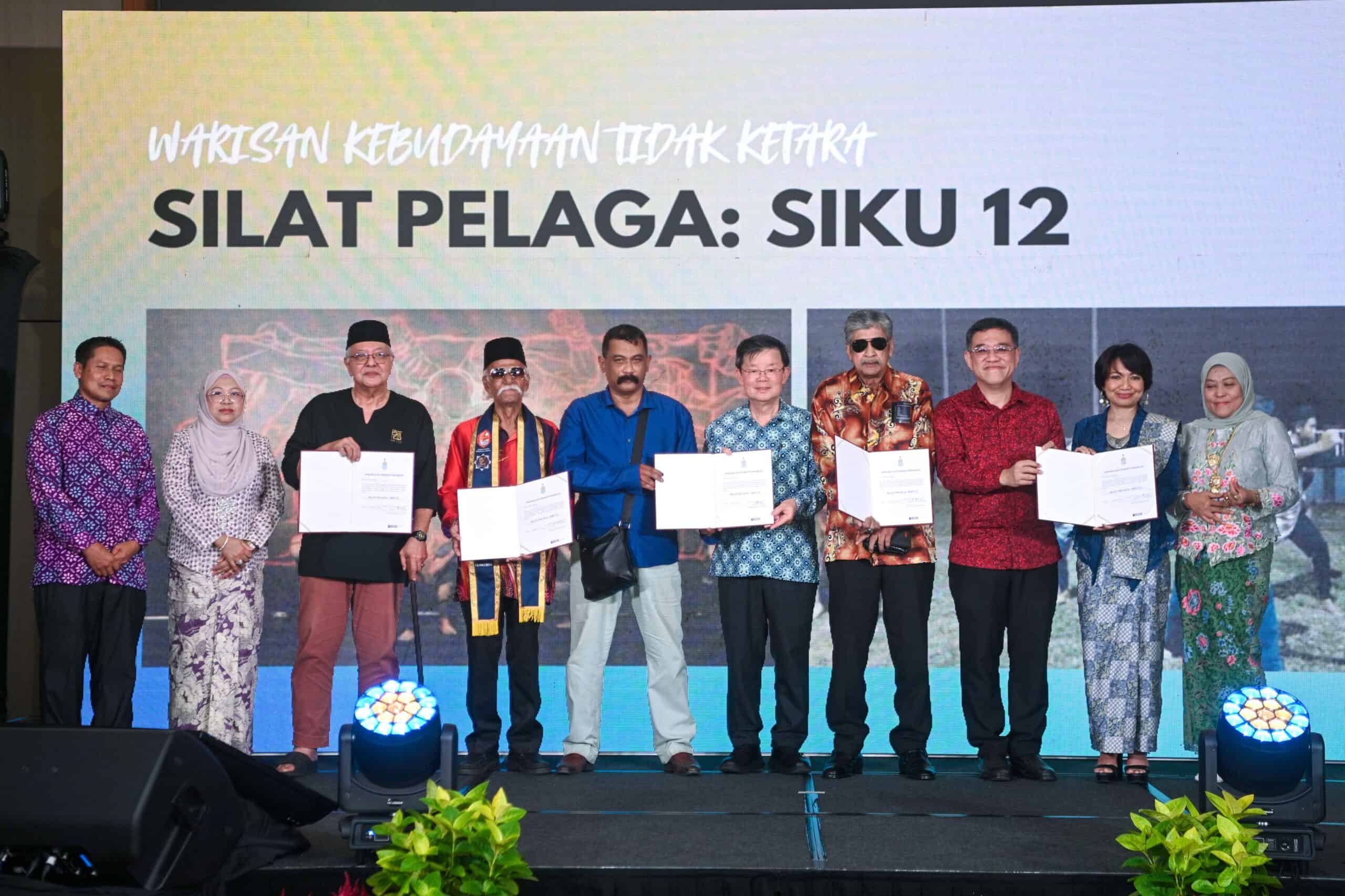
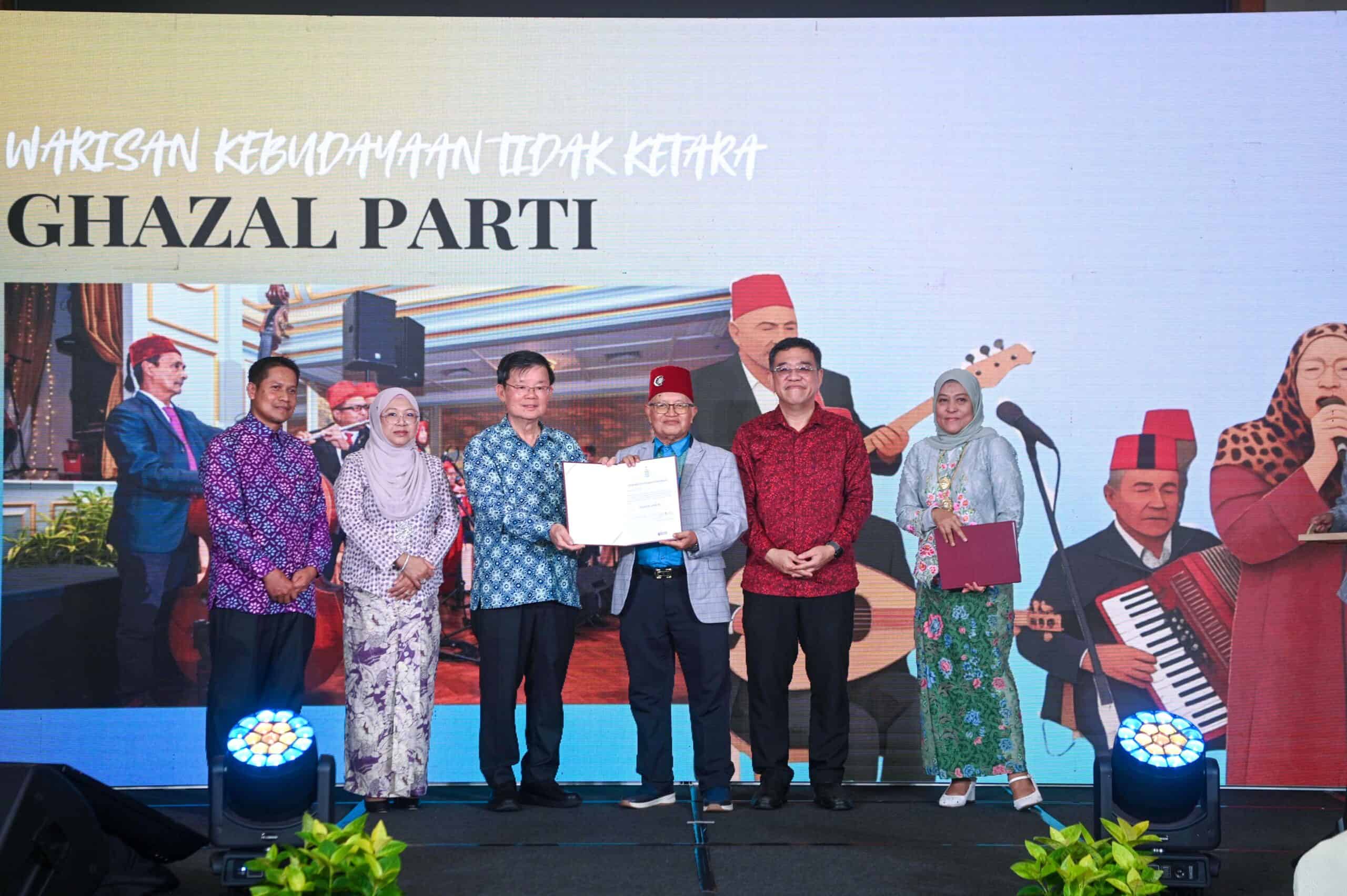
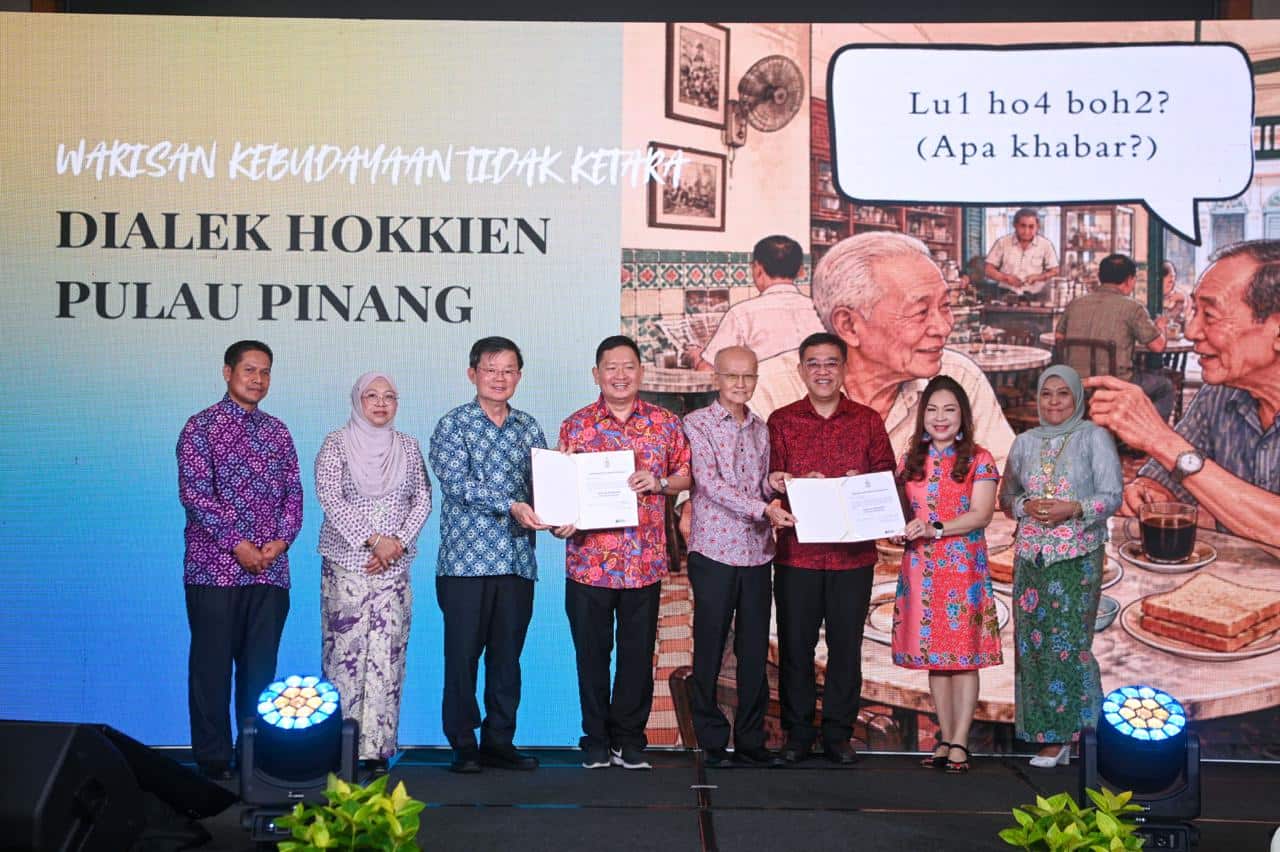
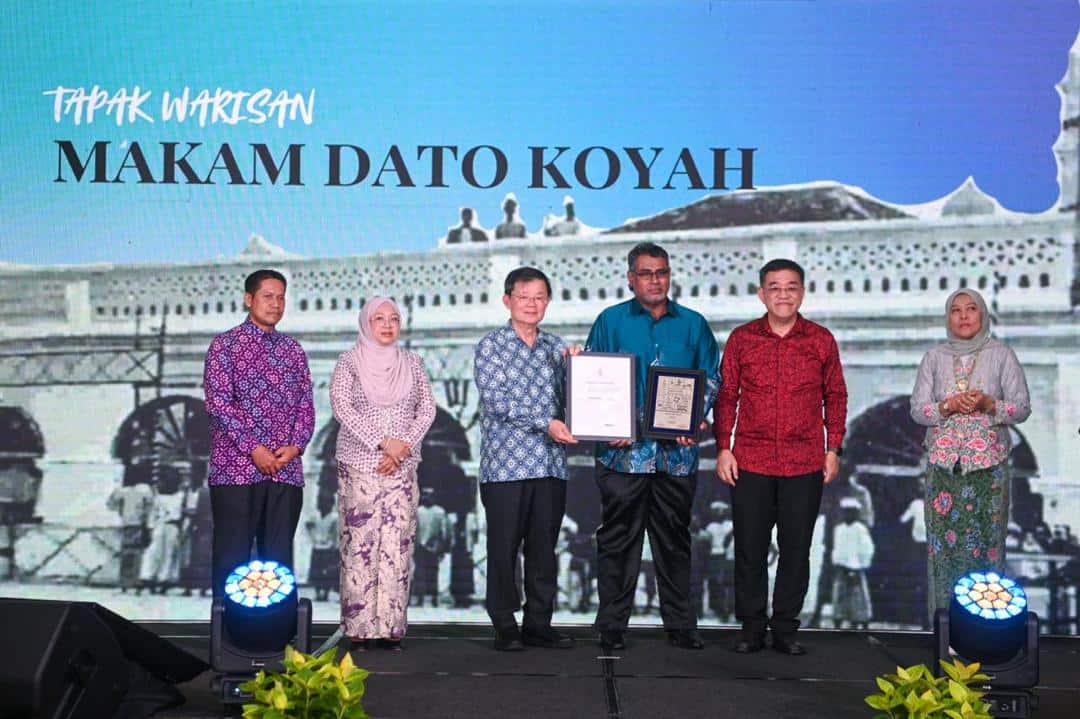
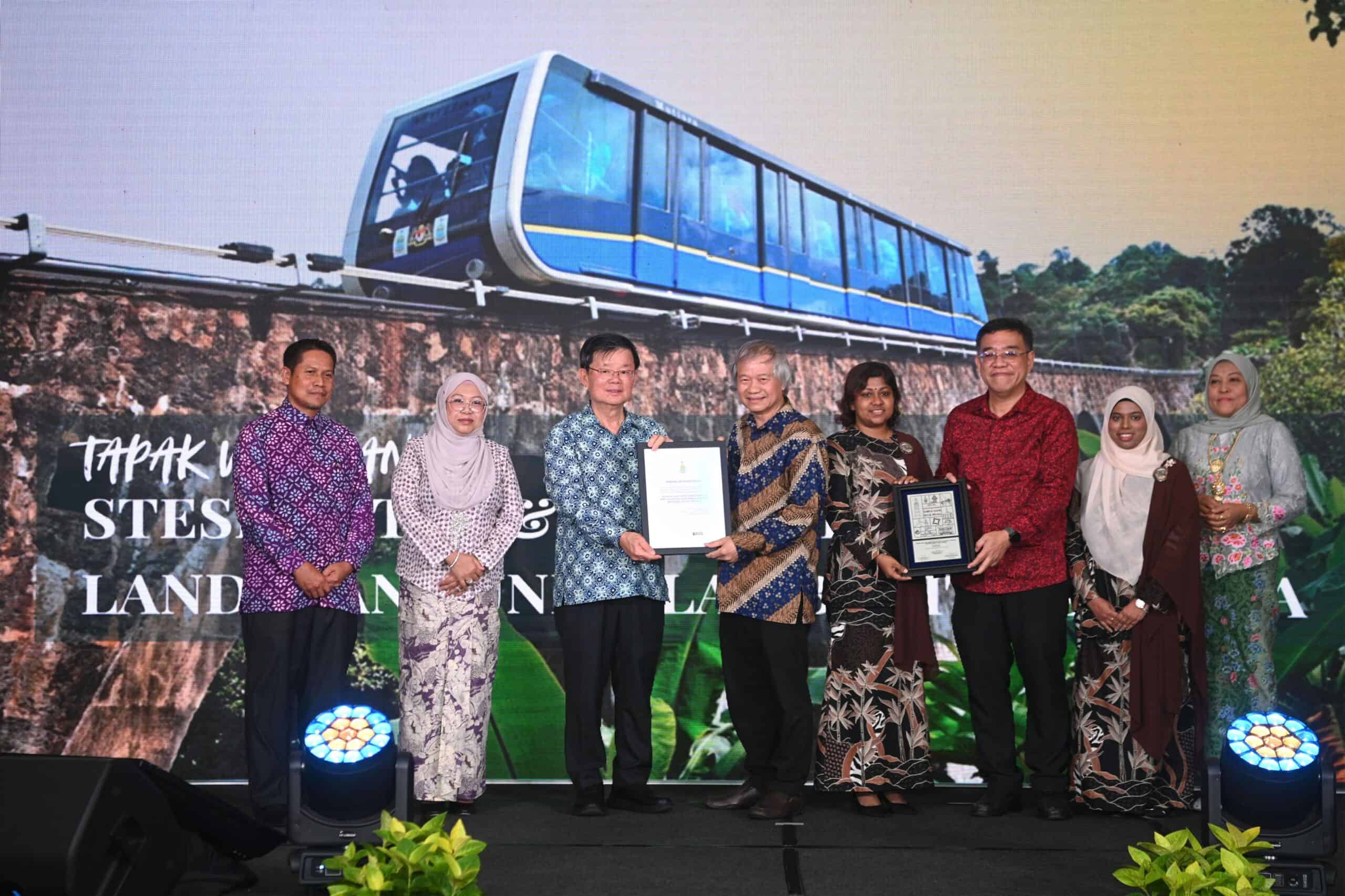
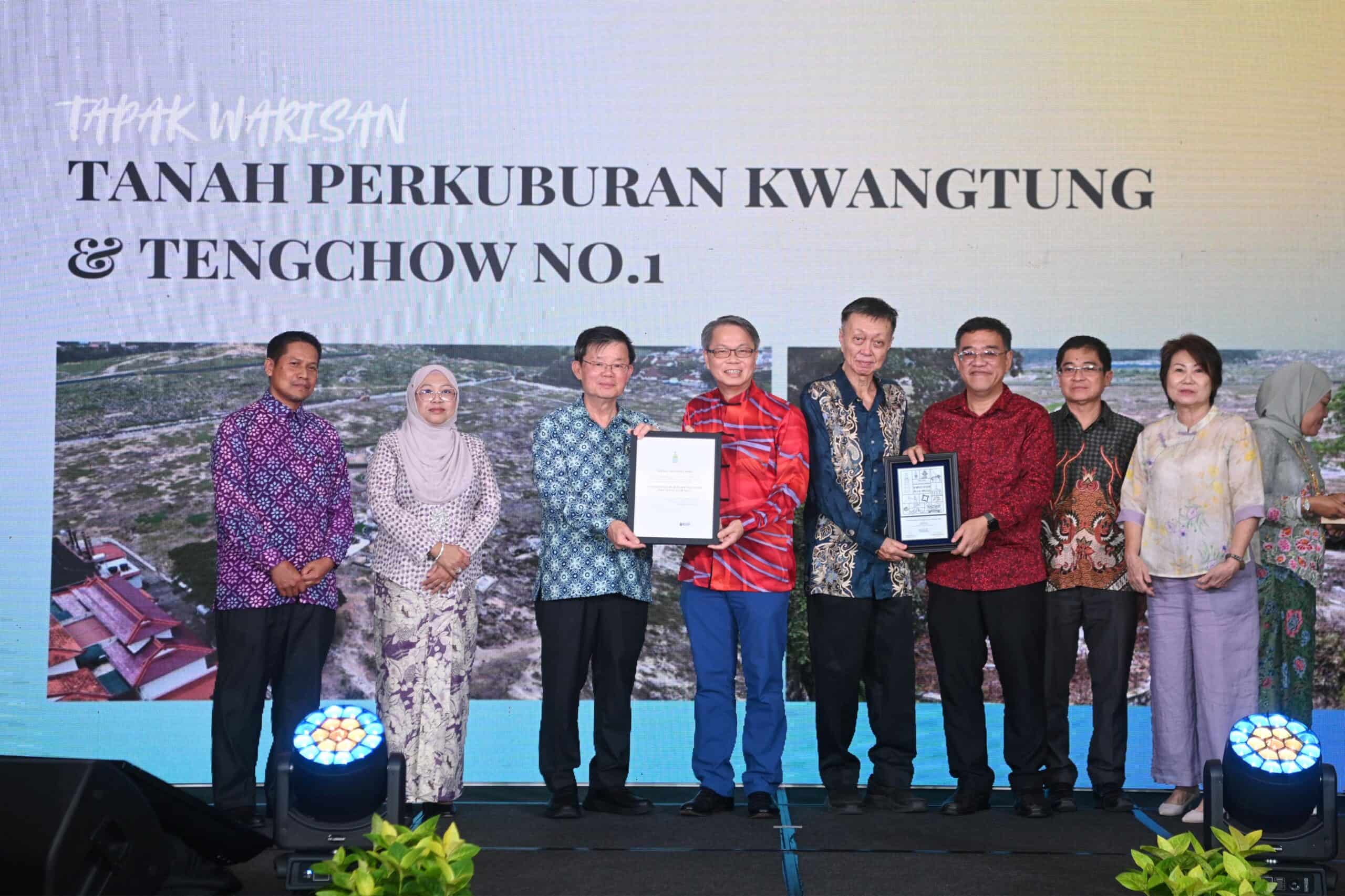
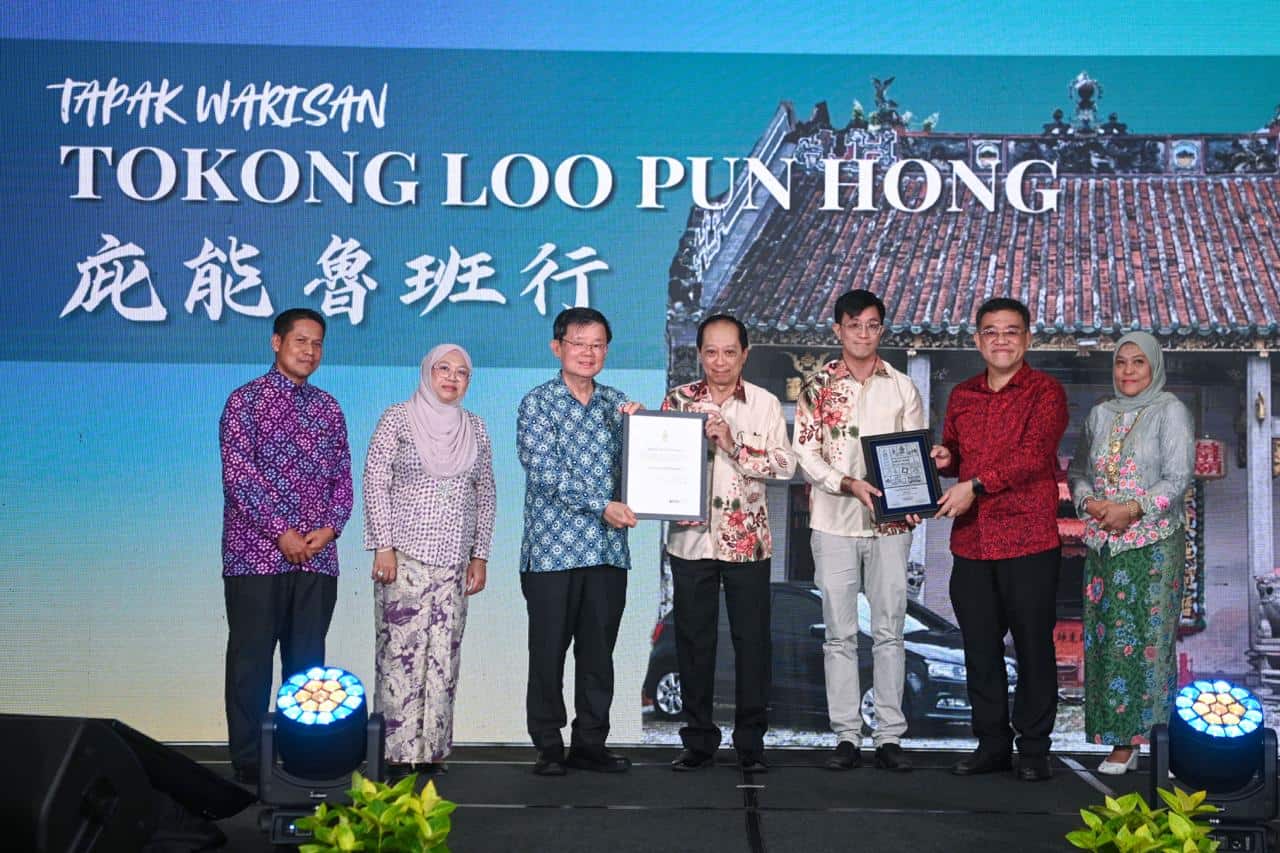
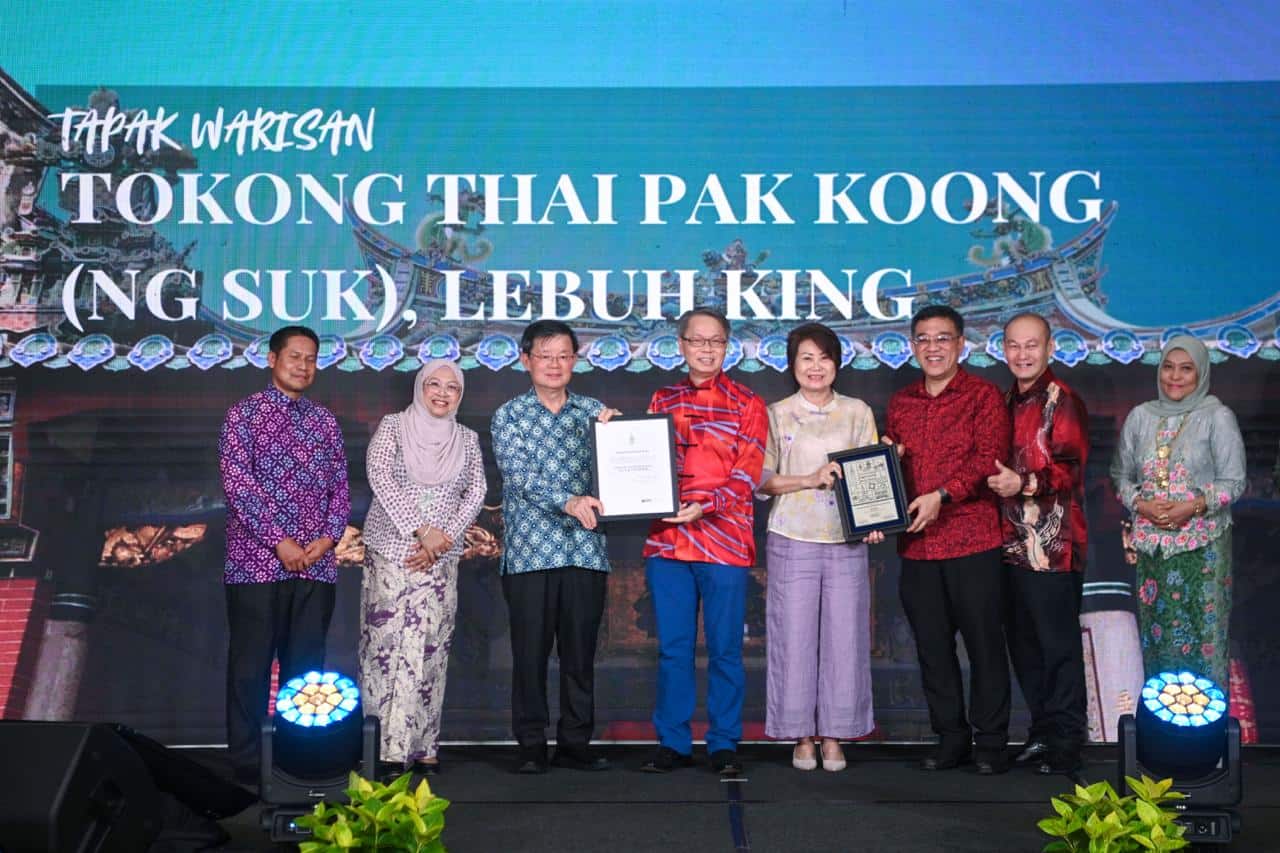
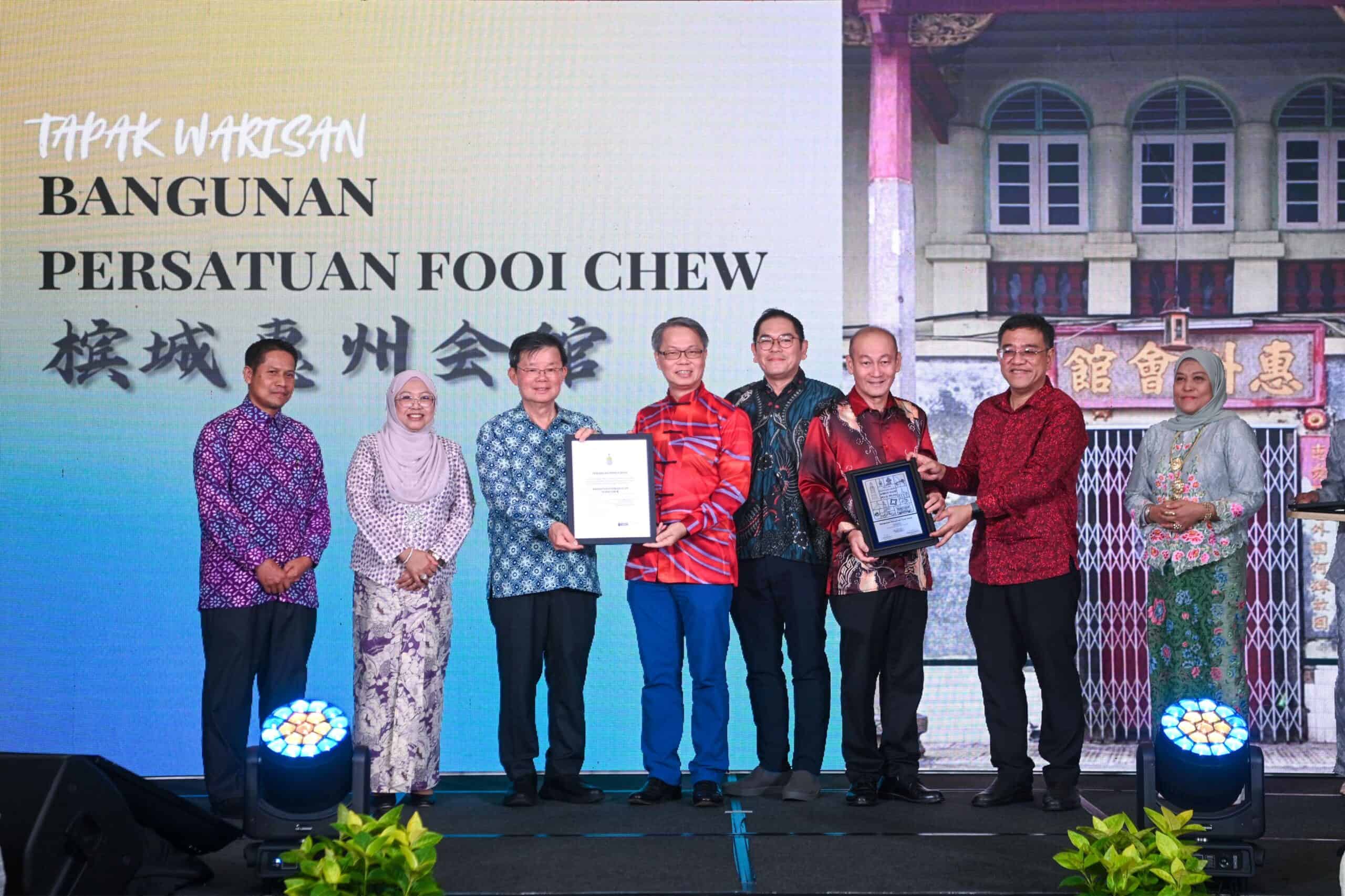
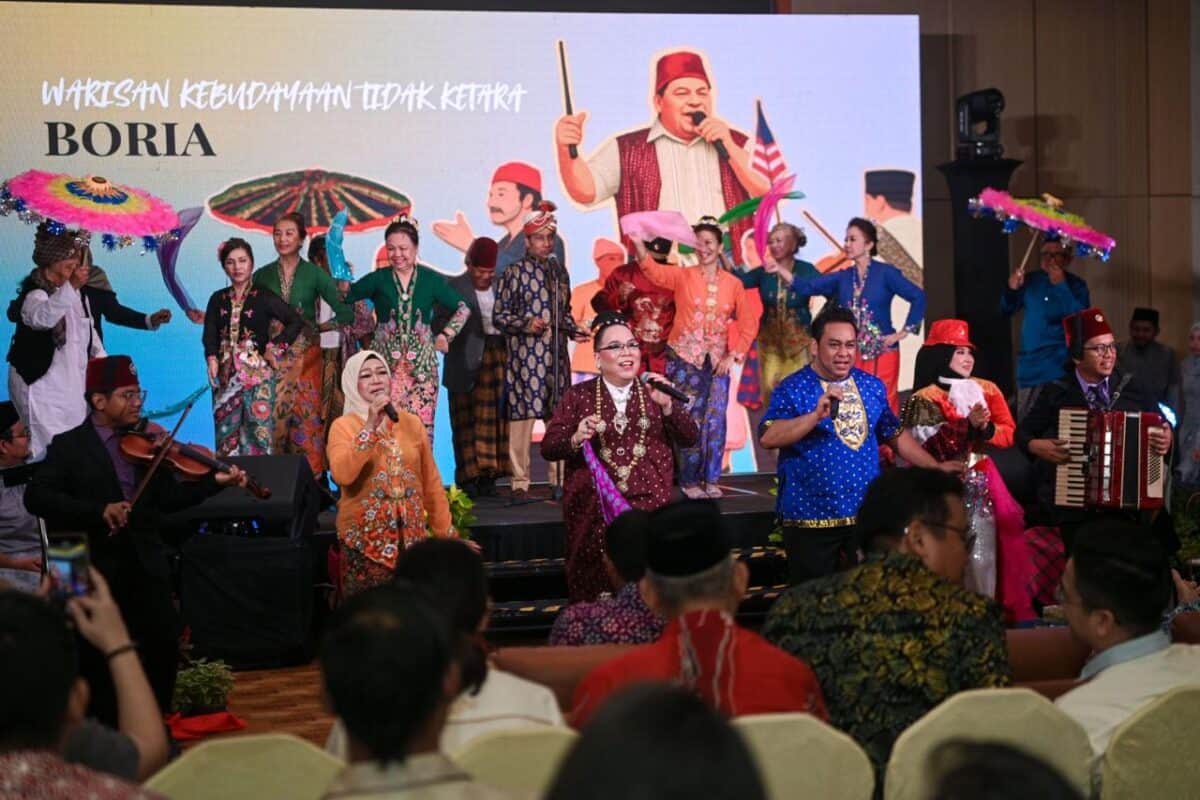
At the ceremony, seven additional items of intangible cultural heritage were declared State Heritage, while six more sites were designated Heritage Sites.
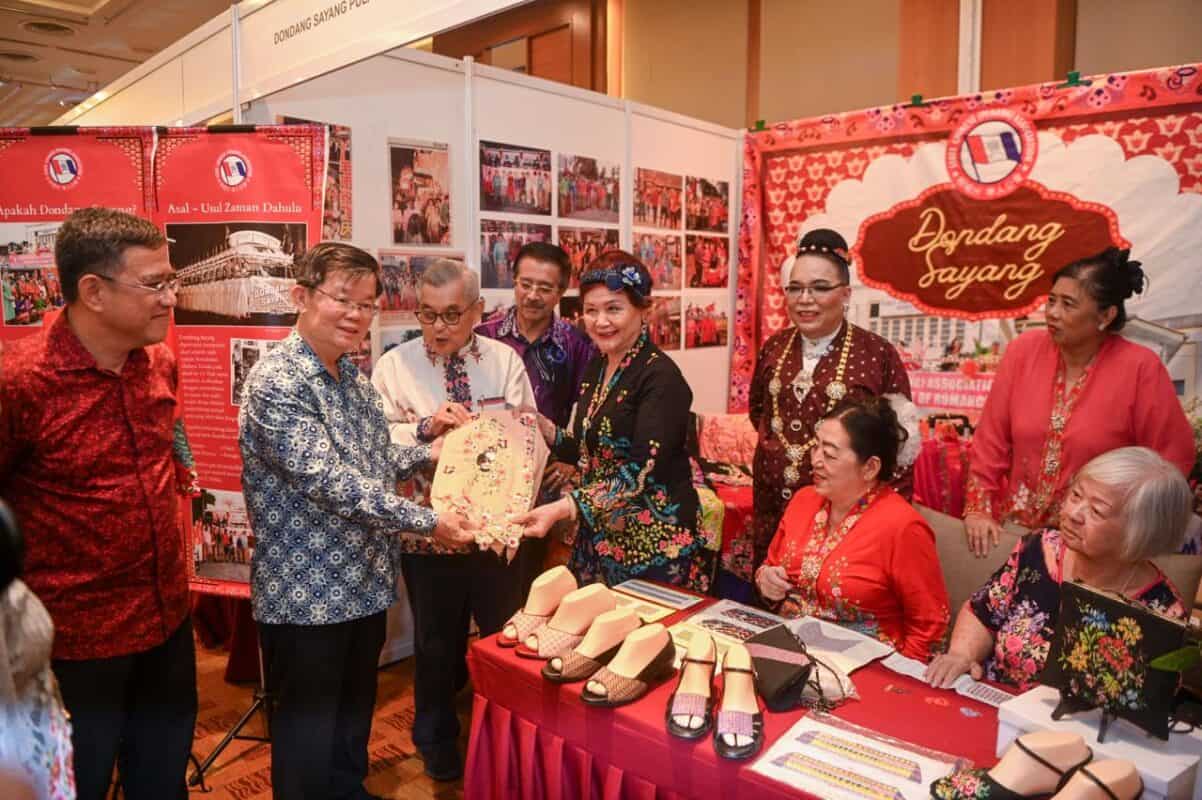
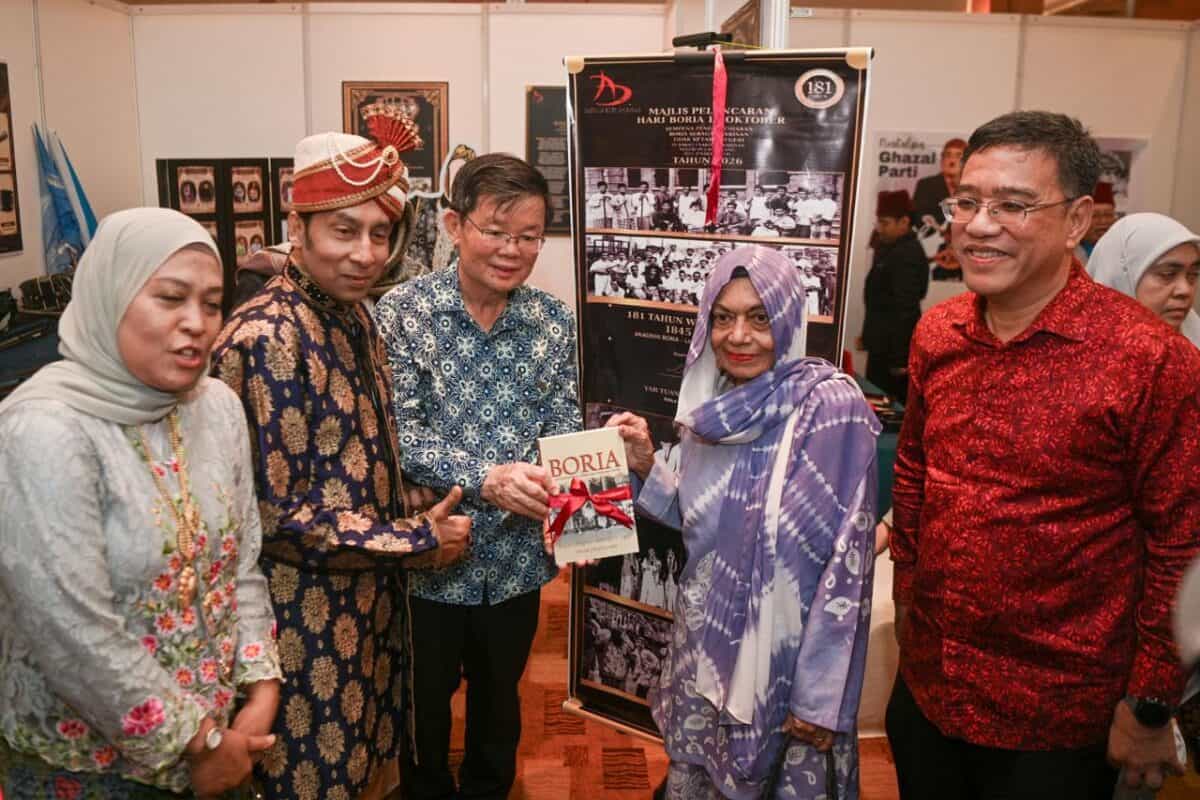
The seven items are the Teong Guan Phor Thor Festival, Boria, Ghazal Parti, Penang Bangsawan, Silat Pelaga: Siku 12, Penang Dondang Sayang and the Penang Hokkien dialect.
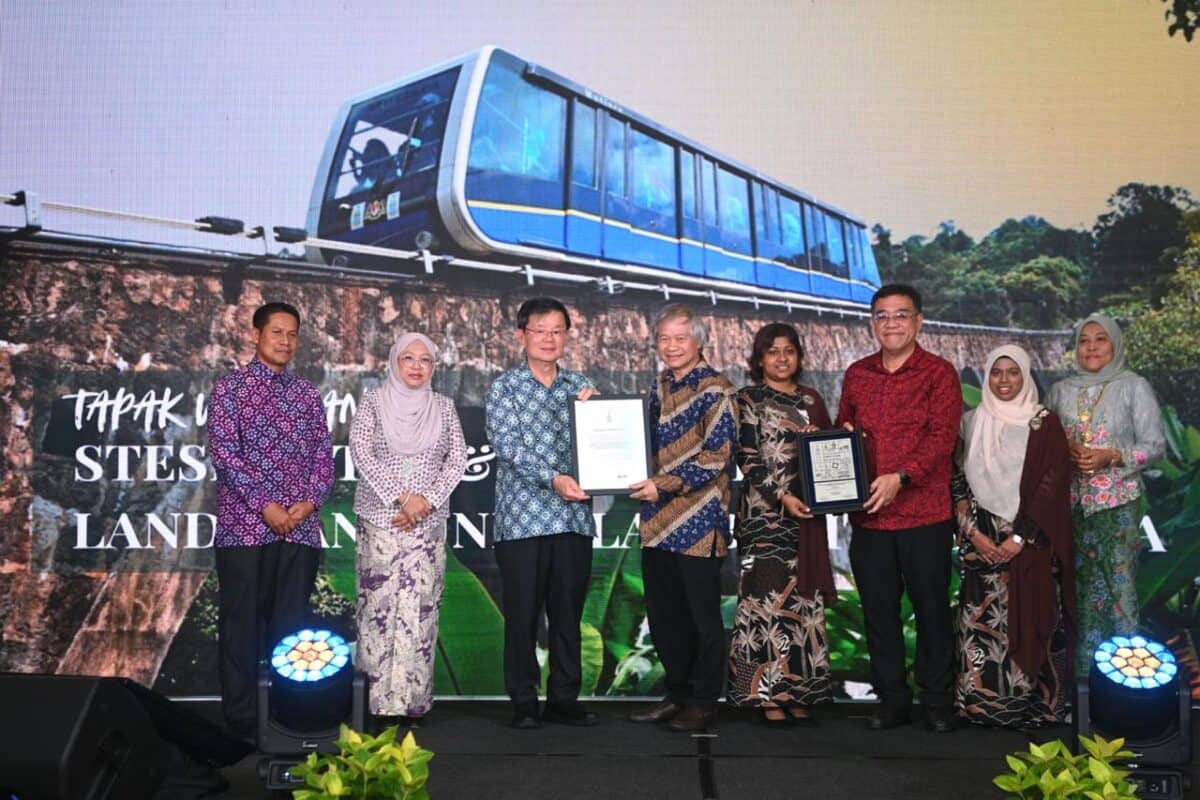
The six sites are Loo Pun Hong Temple; the upper station, lower station and funicular railway tracks of Penang Hill; Dato Koyah’s Tomb; Thai Pak Koong (Ng Suk) Temple in King Street; the Fooi Chew Association Building; and Kwangtung and Tengchow No. 1 Cemetery.
Chow said the declarations followed an earlier ceremony held in Kampung Mengkuang Titi, Central Seberang Perai, on May 9, when 35 heritage items and 15 sites were recognised.
He said the recognition of heritage should extend beyond George Town, as Seberang Perai also possessed its own history and cultural treasures that deserved to be highlighted for the benefit of the entire state.
He added that Penang’s heritage could be given greater value through festivals, heritage walks, gastronomy, digitalisation and creative economy activities, creating opportunities for young people, arts practitioners and local entrepreneurs while enriching visitors’ experiences.
Chow said Penang’s tourism performance also demonstrated the potential of combining heritage, culture, gastronomy, healthcare and community experiences to strengthen its appeal as an international destination.
In the first quarter of 2026, the state recorded 967,742 international hotel guests, while Penang International Airport registered 2.65 million international passenger movements from January to July, an increase of 11.1% compared with the corresponding period last year.
Penang also recorded 285,400 medical tourists in the first half of this year, generating RM601.8 million in revenue.
In line with Visit Malaysia Year 2026 and the Penang2030 vision, Chow said the state wanted visitors not only to see Penang but also to understand, experience and appreciate its identity.
He called on all parties to support heritage conservation efforts to ensure that Penang could continue to develop without losing its distinctive character.
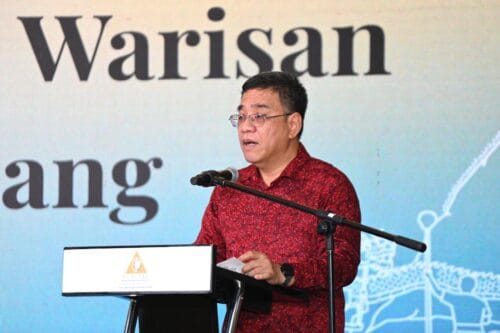
Meanwhile, state Tourism and Creative Economy Committee chairman Wong Hon Wai said the Office of the Penang State Heritage Commissioner had, as of September 2026, declared 35 heritage items, including 28 heritage food items and seven other items of intangible cultural heritage, while 15 sites had been designated Heritage Sites.
With the latest declarations and designations, Penang now has 63 state-level heritage items, comprising 28 heritage food items, 14 other items of intangible cultural heritage and 21 Heritage Sites.
Wong said the state government was continuing to identify more cultural and natural heritage treasures with the potential to be recognised in the future.
He urged members of the public to submit nominations and provide information on potential heritage items for assessment, adding that those meeting the criteria under the Penang State Heritage Enactment 2011 could be considered for recognition.
“The preservation of our heritage must not rest solely on the shoulders of the Office of the Penang State Heritage Commissioner,” he said, calling for collective efforts involving government agencies, non-governmental organisations, industry players and the public.
“Our heritage is our identity,” he said.
Also present at the ceremony were state Legal Adviser Datuk Wan Nor Sakina Saad, state Financial Officer Datuk Zairi Mat Ali, National Heritage Department director-general Mohamad Muda Bahadin and Penang State Heritage commissioner Zalena Abdul Aziz.
Story by K.H. Ong
Pix by Siew Chia En
Video by Siti Nuratikah Rahmat