

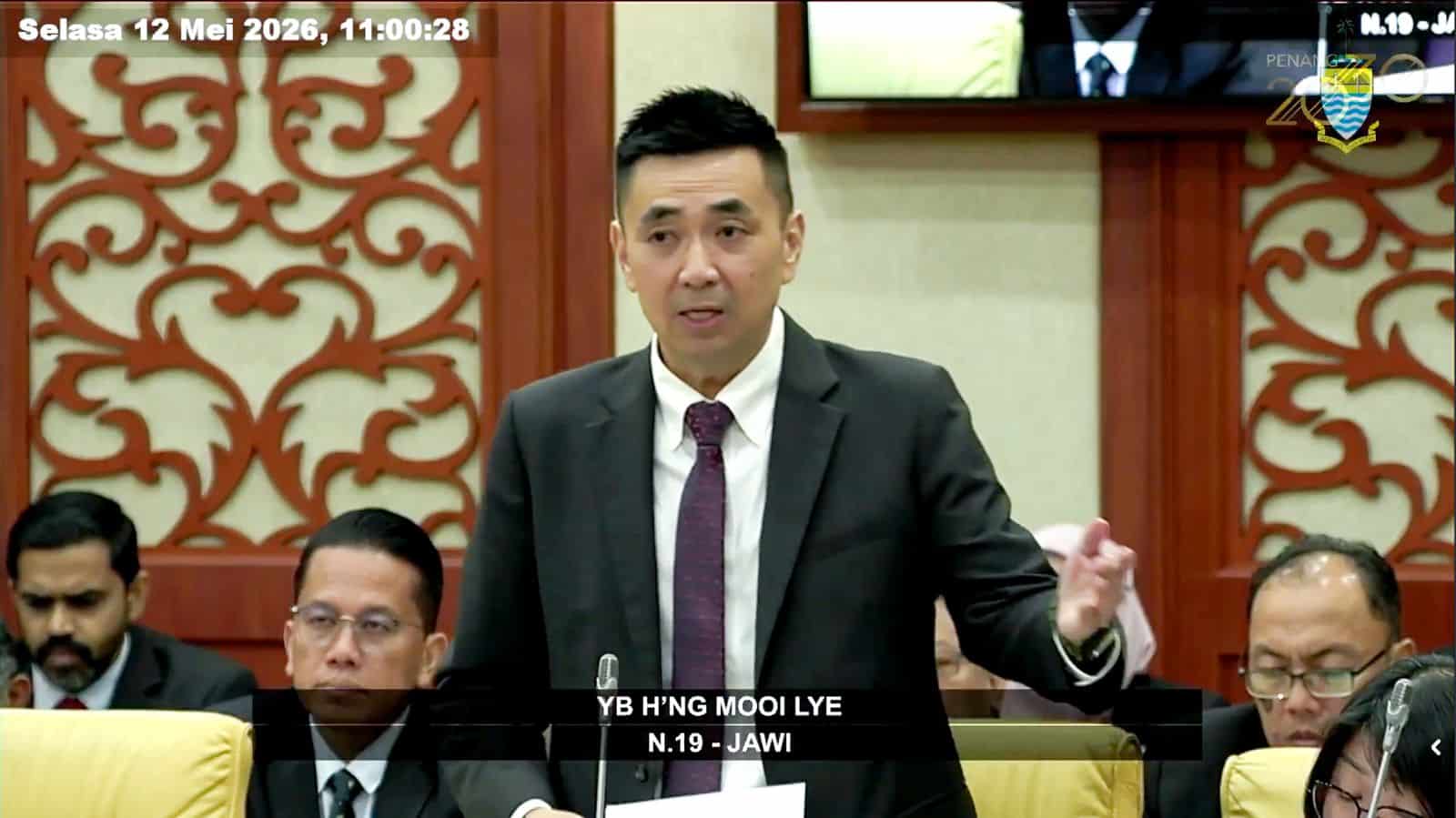

THE Penang state government is intensifying efforts to tackle environmental concerns linked to pig farming activities, particularly in areas such as Kampung Selamat and Sungai Kereh, where residents have reported pollution and foul odours.
The announcement came from Local Government and Town and Country Planning Committee chairman Jason H’ng Mooi Lye (PH-Jawi) during a State Assembly session, following questions by Mohd Sobri Saleh (PN-Permatang Berangan) regarding the number of complaints about Sungai Kereh and the actions taken by authorities.
H’ng said that according to the Department of Environment (DOE) Penang, seven complaints regarding water pollution and odour were received over the past two years. Field inspections found drainage areas overgrown with aquatic weeds, which slow water flow and contribute to the problem. Water samples were collected and analysed by the Chemistry Department of Malaysia in Penang.
Water quality monitoring is conducted under the Environmental Quality Monitoring Programme, which includes three manual monitoring stations and one station at Sungai Air Melintas. The Water Quality Index (WQI) data from 2024 to 2026 show conditions ranging from polluted to moderately polluted.
While enforcement efforts have reduced non-compliance among industrial premises from 48% in 2024 to 43% in 2025, H’ng noted that pollution sources are diverse, including markets, livestock farms, and agricultural activities.
To address the issue comprehensively, he said the state government, through DOE, the Department of Irrigation and Drainage, Seberang Perai City Council (MBSP), and the Department of Veterinary Services (DVS), has implemented integrated monitoring and enforcement measures.
These include farm inspections, surprise visits, investigation of public complaints, issuance of corrective actions, and educational programmes for farmers on good livestock management practices.
H’ng highlighted a key initiative being planned: the transfer of pig manure to the Ampang Jajar Transfer Station (SPAJ) for processing through anaerobic digestion, which decomposes organic waste in an oxygen-free environment to produce methane gas for renewable energy. Officials said the initiative is expected to reduce river pollution, support sustainable waste management, and promote green energy generation.
“We are committed to ensuring that pig farming operations in Penang are managed sustainably and responsibly. By adopting modern practices and proper waste management systems, we can protect our rivers, reduce odour issues, and at the same time support economic growth in the state,” H’ng said.
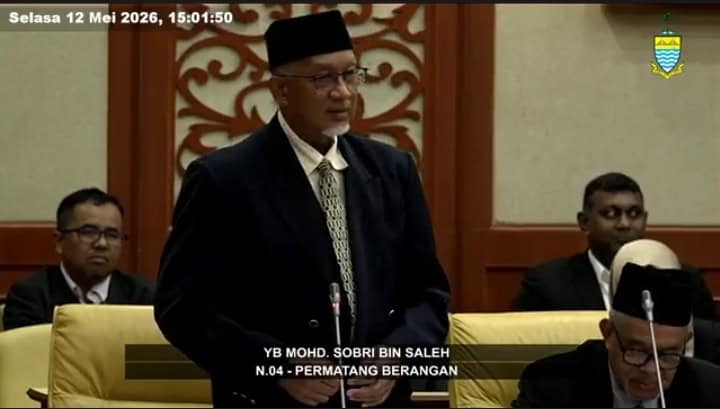
He also expressed appreciation for the views of assemblymen from Sungai Dua, Permatang Berangan, and Teluk Ayer Tawar, assuring that the state is working diligently to resolve the problem, though it will take time.
H’ng specifically praised Mohd Sobri for his open-minded and far-sighted leadership, quoting a Chinese saying (“泰山不让土壤,故能成其大;河海不择细流,故能就其深”) which means: “A leader who is willing to consider perspectives from various parties and approach issues rationally will surely be able to bring about greater and more comprehensive development.”
Follow-up discussions have been held with MBSP, DOE Penang, and DVS Penang to facilitate approvals for the SPAJ initiative, including amendments to the Environmental Impact Assessment (EIA) report to expedite implementation.
H’ng added that the state government encourages farmers to adopt modern technologies and environmentally compliant practices, reinforcing that sustainable pig farming can coexist with community well-being and economic development.
Story by K.H. Ong
Pix by Siew Chia En