


THE Penang Institute (PI) is currently conducting the Penang Satisfaction Survey 2026 to gather the views of Penang residents on their satisfaction with the quality of their daily lives.
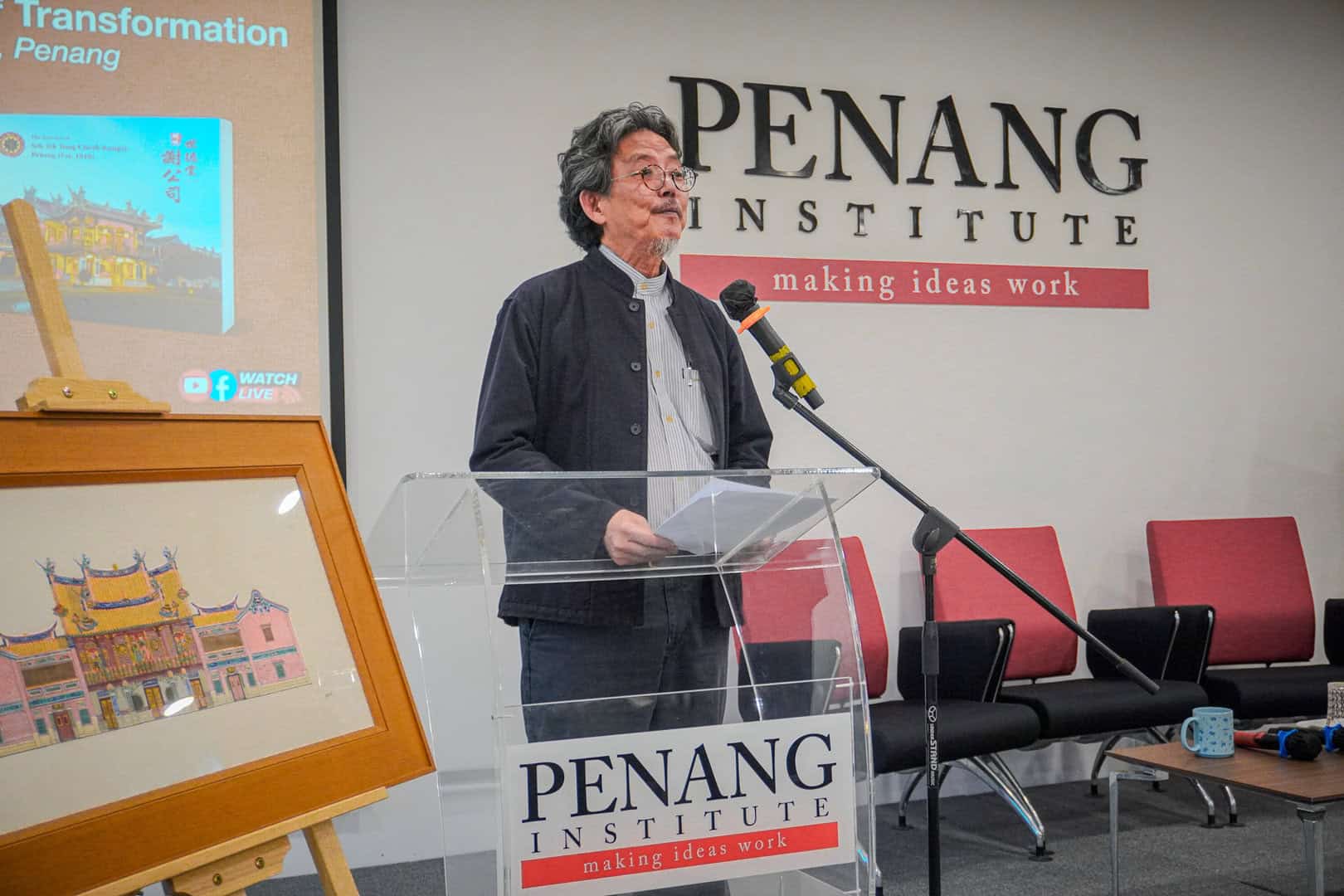
PI executive director Datuk Ooi Kee Beng said the survey focuses on four key areas: Economic and Household Wellbeing, Liveability and Social Wellbeing, Freedom and Governance, and Environmental Development.
As of March 8, he said PI has collected 802 completed responses.
“We are currently targeting between 1,000 and 1,200 responses from all five districts in Penang — North East, South West, North Seberang Perai, Central Seberang Perai and South Seberang Perai.
“At this stage, we are encouraging greater participation from the Seberang Perai districts, especially South Seberang Perai,” Ooi said.
He added that measuring satisfaction levels will help provide insights into which areas residents are most and least satisfied with, enabling policy decisions, interventions and resource allocations to be more targeted.
“It will also help identify which pillars or areas require more urgent attention and prioritisation,” he said.
In 2021, PI revealed that about 76.5% of Penangites considered themselves happy under the Happiness in Penang (HIP) Index 2020/2021.
Ooi said the HIP survey served as an important foundation by introducing a broader way of understanding happiness and well-being in Penang.
Asked about the difference between the two surveys, he explained that the HIP was designed to provide an overall picture of residents’ happiness and well-being through a composite index, while the Penang Satisfaction Survey takes a more direct approach by measuring satisfaction across key pillars of daily life.
“These pillars — Economic and Household Wellbeing, Liveability and Social Wellbeing, Freedom and Governance, and Environmental Development — are consistent with the broad areas covered under HIP.
“In that sense, the current survey does not replace the HIP, but builds on it by offering a more targeted lens on specific aspects of daily life,” he said.
Ooi added that the approach is intended to generate more targeted and actionable insights for policy and planning, allowing the survey to complement rather than duplicate comprehensive happiness and well-being studies already conducted by the Department of Statistics Malaysia.
“While the two surveys differ in method and emphasis, the current approach is intended to produce findings that are easier to interpret in relation to specific policy areas, and more directly usable for policy planning and identifying key prioritisation areas,” he said.
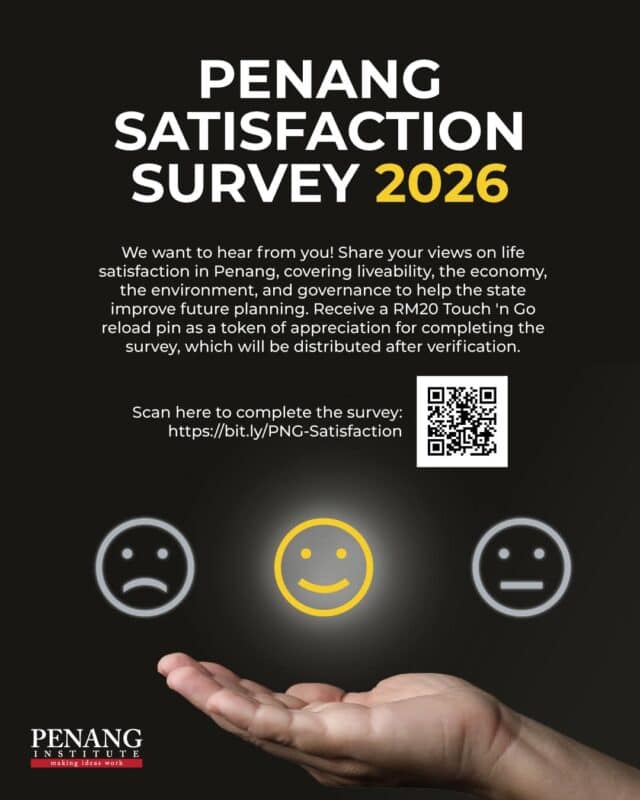
Those interested in participating in the survey can visit https://bit.ly/PNG-satisfaction. As a token of appreciation, respondents will receive RM20 via a Touch ’n Go Reload PIN after completing the survey.
Story by K.H. Ong