


Story by Edmund Lee
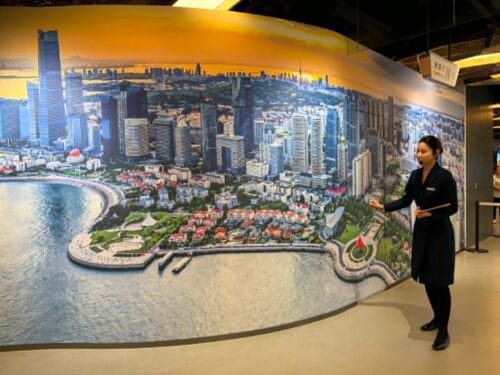
PENANG is often admired for its rich multicultural heritage, historic streets and island charm. On the other side of the region, Qingdao offers a different coastal experience, combining scenic shorelines, modern city life and a distinctive European influence rarely found elsewhere in China.
Despite being separated by distance, both destinations have grown around the sea. Each city is known for its bustling waterfronts, international outlook and strong tourism appeal. Penang attracts visitors with its UNESCO-recognised heritage zone, diverse food culture and blend of traditions, while Qingdao is famous for its seaside scenery, colonial-era architecture, sailing culture and world-renowned beer industry.
One of the first things that caught my eye in Qingdao during a recent familiarisation trip for several Penang media representatives, including Buletin Mutiara, was the city’s unique character. Tree-lined streets, red-roofed buildings and European-style structures create a setting that feels quite different from many other Chinese cities. The local food scene also reflects this heritage, where fresh seafood is served alongside German-inspired dishes such as sausages and pork knuckles.
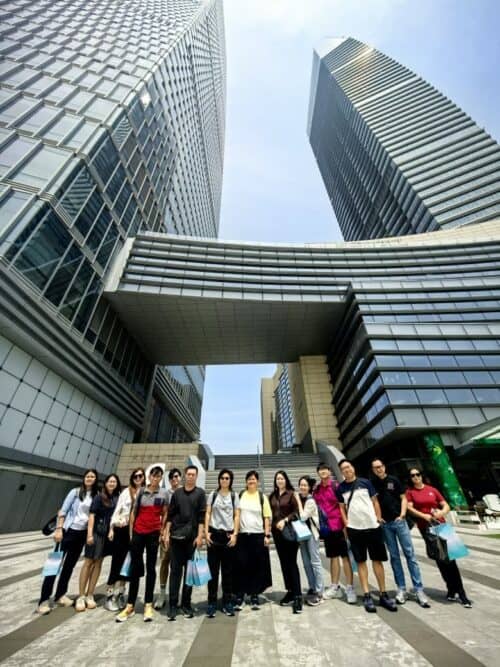
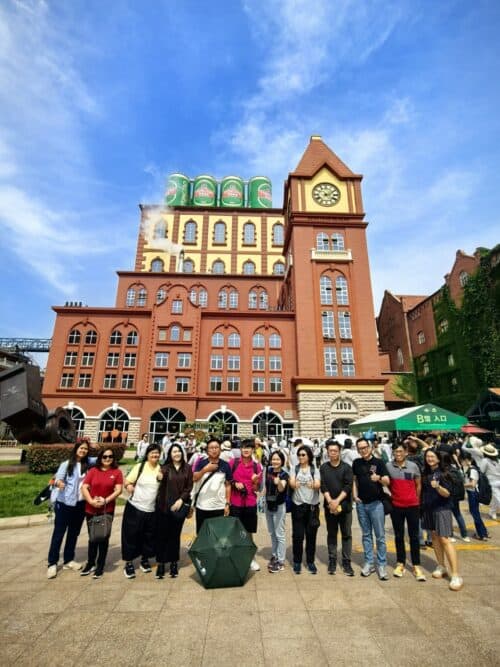
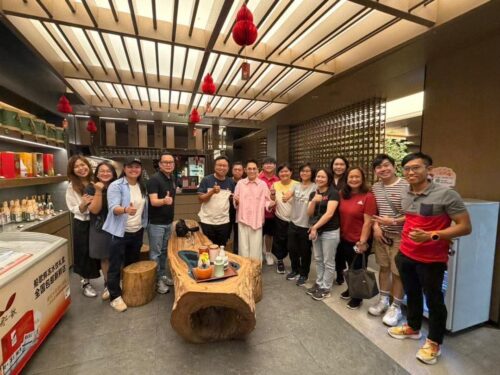
Jointly organised by the state Tourism and Creative Economy office (PETACE), Penang Global Tourism (PGT) and Qingdao Airlines, the familiarisation trip provided participants with an opportunity to explore some of Qingdao’s signature attractions and gain a deeper understanding of the city known as China’s “Sailing City”.
During the trip, Penang Tourism and Creative Economy Committee chairman Wong Hon Wai, PGT director and Air Itam assemblyman Joseph Ng Soon Siang, as well as PGT chief executive officer Ooi Chok Yan took part in the “Kiss Qingdao, Love Penang” tourism promotion programme held in Qingdao.
Direct flights strengthen Qingdao-Penang links
Travel between the two cities has become more convenient following the introduction of Qingdao Airlines’ direct service connecting Qingdao and Penang.
The route currently operates three times a week on Tuesdays, Thursdays and Saturdays. Flights leave Qingdao at 9.15am and land in Penang at 3.15pm. The return journey departs Penang at 4.35pm and arrives in Qingdao at 10.50pm.
Viewing Qingdao from above
For those seeking a bird’s-eye perspective of the city, the Sea Sky Observation Deck offers one of the best vantage points in Qingdao.
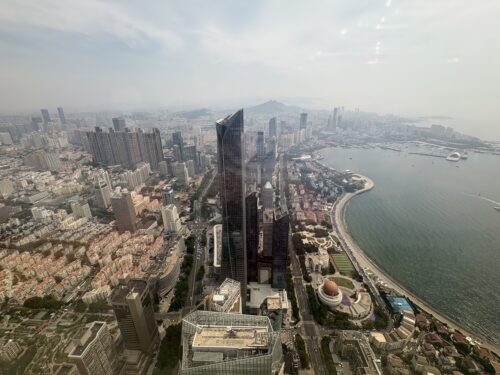
Standing 369 metres tall, the attraction features a high-speed lift that reaches the 81st floor in approximately 45 seconds. From the top, visitors can enjoy expansive views of the coastline, urban skyline and the well-known May Fourth Square.
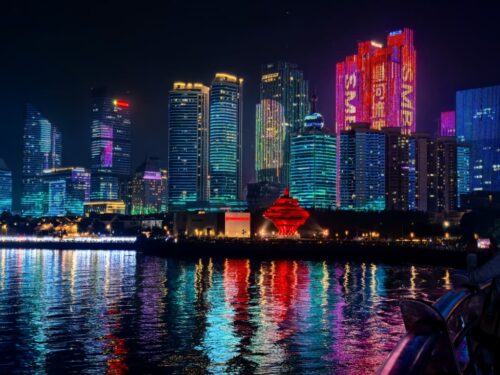
During the day, the blue waters and coastal landscape dominate the scenery. After sunset, the city lights create a completely different atmosphere, making the observation deck a popular location for photography.
Travellers from Penang may find similarities with the panoramic views enjoyed from Penang Hill. While each destination has its own identity, both showcase a striking blend of hills, cityscapes and the sea.
Discovering the story behind Tsingtao Beer
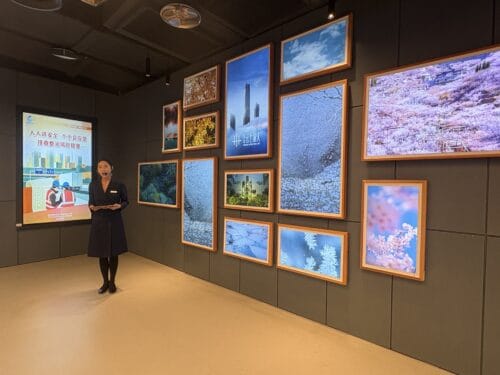
Qingdao’s identity is closely linked to Tsingtao Beer, making the Qingdao Beer Museum a must-visit attraction for many travellers.
Located along Dengzhou Road, the museum is recognised as China’s first beer-themed museum and remains one of the city’s most popular tourist sites.
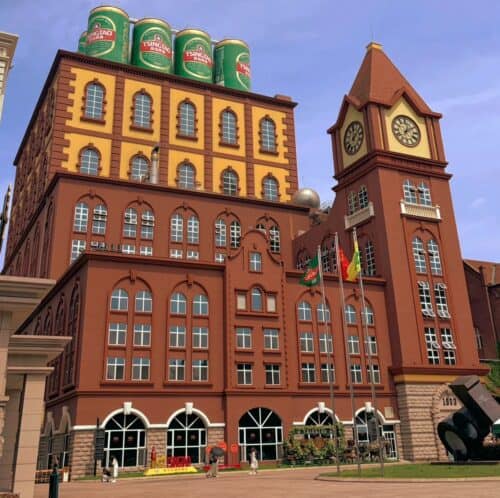
It preserves parts of the original brewery established by German settlers in 1903. Through exhibits, photographs and historical collections, visitors can trace the development of Tsingtao Beer from its origins to its global reputation today.
Guests can also observe brewing equipment, learn about production techniques and sample freshly brewed beer.
Even those who do not consume alcohol often appreciate the museum for its historical value and insight into one of China’s most successful international brands.
In many ways, Tsingtao Beer has become an enduring symbol of Qingdao, much like Penang’s long-established coffee shops and heritage businesses that continue to shape local identity.
Seagull encounters by the Waterfront
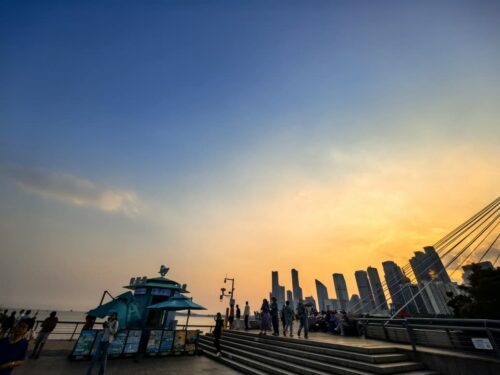
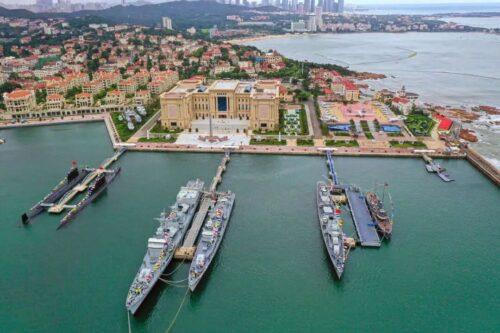
Another attraction that draws large numbers of visitors is the Qingdao Olympic Sailing Centre.
Originally developed as the sailing venue for the 2008 Beijing Olympic Games, the site has since evolved into one of the city’s most recognisable landmarks.
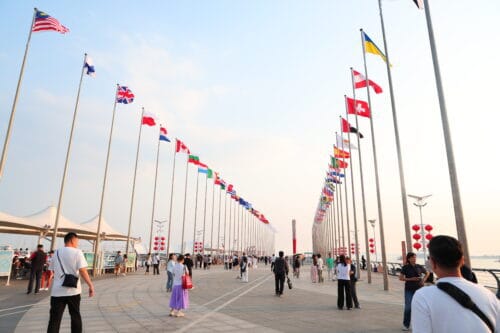
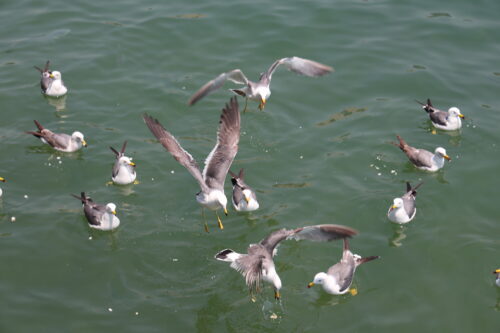
A favourite activity among tourists is feeding the seagulls that gather around the waterfront. Bird feed is readily available on-site, allowing visitors to interact closely with the birds as they glide above the sea.
Moments when seagulls swoop down to grab food often become highlights for visitors, creating plenty of opportunities for memorable photographs.
The combination of ocean views, sailing yachts and flocks of birds creates a relaxing coastal atmosphere suitable for families and photography enthusiasts.
Although Penang residents may be familiar with seaside scenery, Qingdao presents a different experience with its expansive northern coastline and cooler maritime environment.
Located near May Fourth Square, the sailing centre is also an ideal place to enjoy both the waterfront and surrounding cityscape.
When evening arrives, illuminated buildings and colourful light displays transform the area into a lively nighttime attraction.
A culinary blend of sea and Europe
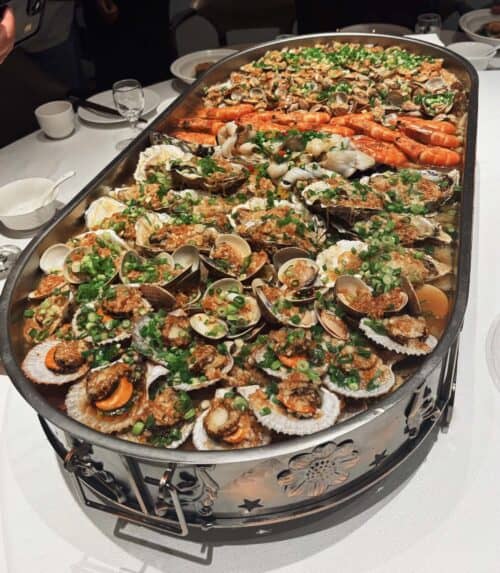
Fresh seafood naturally plays a central role in Qingdao’s food culture.
Local restaurants commonly serve crab, scallops, abalone, sea cucumber and a wide variety of shellfish, often prepared in ways that highlight their natural taste.
What makes Qingdao particularly distinctive is the lasting influence of German culinary traditions.
Across the city, visitors can find German-style sausages, pork knuckles and European breads alongside traditional Chinese dishes.
Many travellers consider pairing crispy pork knuckle with a glass of chilled Tsingtao Beer one of the quintessential Qingdao dining experiences.
This fusion of seafood and European flavours gives the city a culinary identity that differs from many other coastal destinations in China.

Food is also a major source of pride for both destinations. While Penang is celebrated for dishes such as char koay teow, assam laksa and Hokkien mee, Qingdao is best known for seafood, beer and German-inspired cuisine. Though the flavours differ greatly, both cities leave visitors with memorable gastronomic experiences.
Expanding tourism opportunities between two coastal cities
Qingdao’s reputation as China’s “Sailing City” complements Penang’s standing as one of Southeast Asia’s leading tourism destinations.
One city is known for dramatic coastlines and European architectural influences, while the other is recognised for its heritage landmarks and multicultural character. Yet both have prospered through strong maritime traditions and thriving tourism sectors.
The direct air connection now provides greater convenience for travellers while opening new possibilities for tourism growth, cultural interaction and business cooperation.
For Penang residents interested in exploring northern China’s coastline, Qingdao offers a wide range of experiences — from panoramic city views and historical attractions to waterfront activities and renowned seafood.
Likewise, travellers from Qingdao visiting Penang may discover familiar coastal elements alongside the island’s distinctive hospitality and cultural diversity.
With direct flights now linking the two destinations, exchanges between Qingdao and Penang are expected to continue growing in the years ahead.