

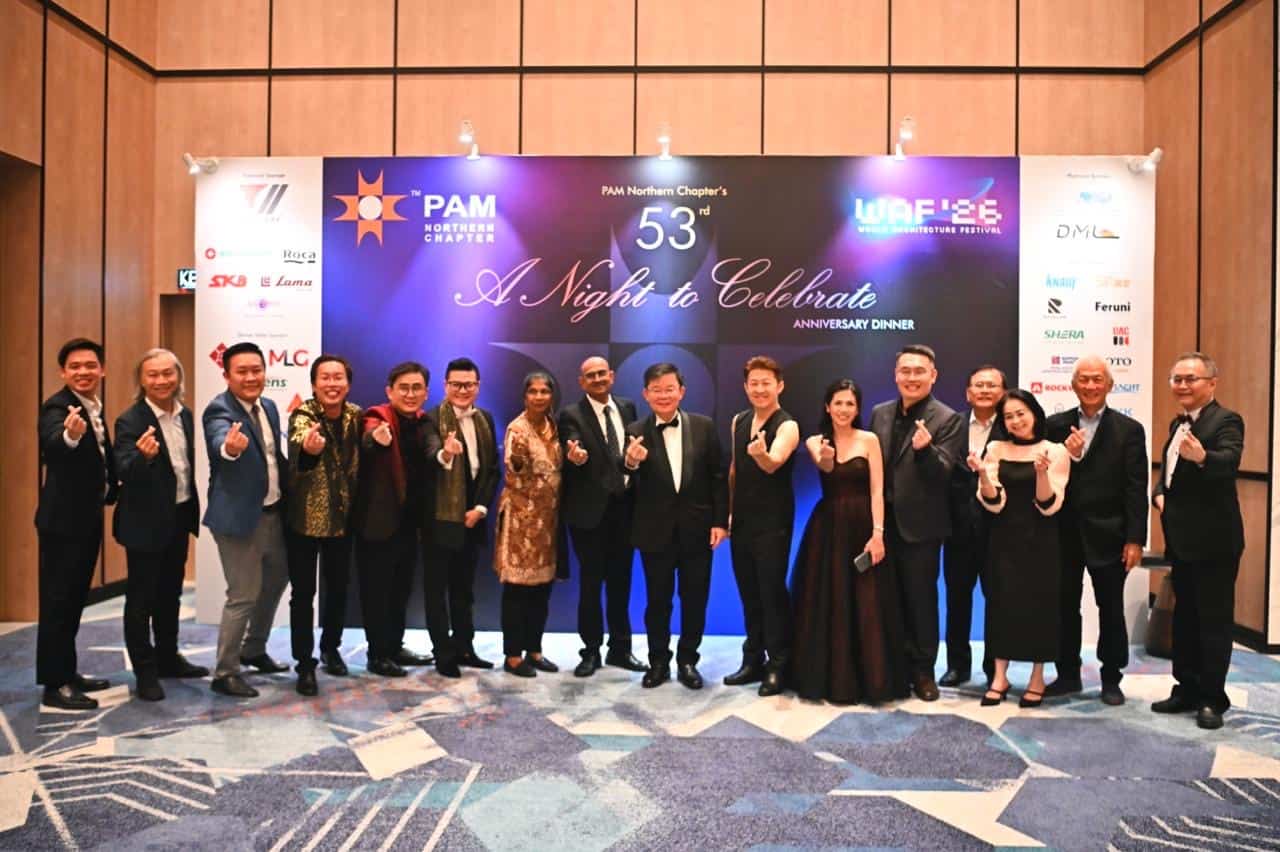

THE buildings designed today will shape how future generations live, making architects key partners in Penang’s efforts to balance development, affordability and environmental sustainability, says Chief Minister Chow Kon Yeow.
He said architecture was not merely about designing buildings, but also about shaping communities and creating living environments that would serve generations to come.
“What you draw today, that’s what our grandchildren will live with tomorrow,” he said in his speech at the Pertubuhan Arkitek Malaysia (PAM) Northern Chapter’s 53rd Anniversary Dinner at the Iconic Marjorie Hotel in Bayan Lepas this evening.
Congratulating PAM Northern Chapter on 53 years of service to the profession and the northern region, Chow described architecture as a profession whose impact often outlasted the people responsible for creating it.
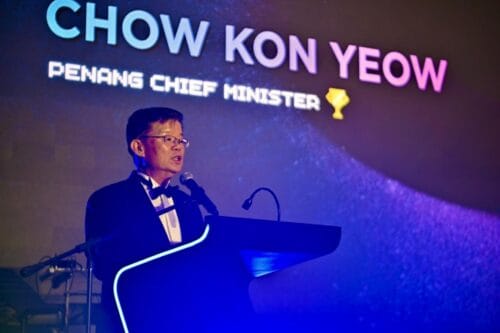
“For 53 years, PAM Northern Chapter has carried that responsibility for the north, and in particular, helped shape the Penang we know today,” he said.

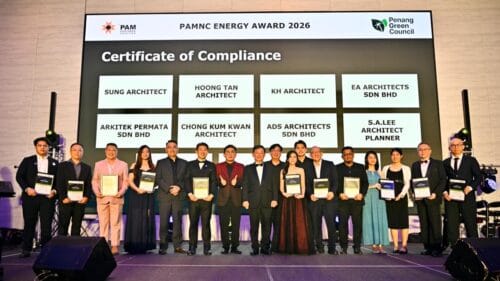
Chow noted that Penang faced unique challenges as a small state with limited land, precious heritage and growing aspirations among its people.
“Young Penangites want affordable homes close to their workplaces, while families seek greener neighbourhoods and safer streets where they can walk comfortably. Developers, meanwhile, need clear guidelines on what they can build and where,” said Chow.
He said these competing needs ultimately converged on the architect’s drawing table, placing the profession at the heart of the state’s development agenda.
“The question before us is how to keep growing without losing the very qualities that made people want to live here in the first place,” he said.
Chow said the Penang government had been preparing for these challenges through various planning initiatives and collaborations, many of which involved the architectural profession.
“Among them is the ongoing finalisation of the Seberang Perai Local Plan 2030, the first local plan to be drawn up for the mainland,” he said.
He said the plan would provide architects, developers and residents with greater clarity on future development, including what could be built and where.
“In December 2023, the state government also collaborated with PAM and the Institution of Engineers Malaysia (IEM) to incorporate green features into affordable housing projects.
“These included provisions for more trees and designated recycling areas, reflecting the state’s commitment to creating more sustainable and liveable communities,” said Chow.
Chow also highlighted the Rumah Mampu Milik Bakat Baru Madani initiative under the Penang Development Corporation (PDC), which aims to provide about 38,000 affordable homes over 10 years for graduates and industrial workers.
“The programme will begin in Seberang Jaya before expanding to Bandar Cassia in Batu Kawan,” he said.
He added that such initiatives supported the Penang2030 vision of building a family-focused, green and smart state that inspired the nation.
However, Chow stressed that translating the vision into reality required more than policies and development plans.
“Policies can promise. Only buildings can deliver.
“Every plan we draw up and every home we build will finally be judged at your drawing table,” he said.
He urged architects to assess every project against a fundamental question: whether it would improve the lives of the people using it.
Chow said the test should consider everyone, from young couples collecting the keys to their first homes to hawkers working on the ground floor and children walking home from school.
“If the answer is yes, Penang will thank you for generations,” he said.
Chow also emphasised the importance of continued collaboration between PAM Northern Chapter and the state government, the Penang Island City Council (MBPP), the Seberang Perai City Council (MBSP) and other relevant agencies.
He described PAM Northern Chapter as a longstanding and candid partner in the state’s development, adding that constructive discussions, including disagreements, were essential to improving policies and planning guidelines.
“We do not always agree. But honest disagreement, spoken openly across the table, is how better policy is made,” he said.
He encouraged the architectural fraternity to continue highlighting areas where existing guidelines no longer reflected contemporary lifestyles, saying such feedback would help the state plan more effectively for the needs of its people.
Turning his attention to younger architects, Chow said the next generation of professionals would have a significant role in shaping Penang’s future homes, streets and skyline.
He urged them to learn from their predecessors while having the courage to pursue designs that prioritised people and their everyday needs.
“Learn from the generation before you. Then draw with courage, and draw for people.
“Because what you draw today, our grandchildren will live with. Let us make sure they are proud of it,” he said.
Also present during the anniversary dinner were Penang Island City Council (MBPP) mayor Datuk A. Rajendran, PAM Northern Chapter chairman Ooi Sze Meng, PAM president Dexter Khor and organising chairman Bee Sui Yeng.
Story by Riadz Akmal
Pix by Law Suun Ting