

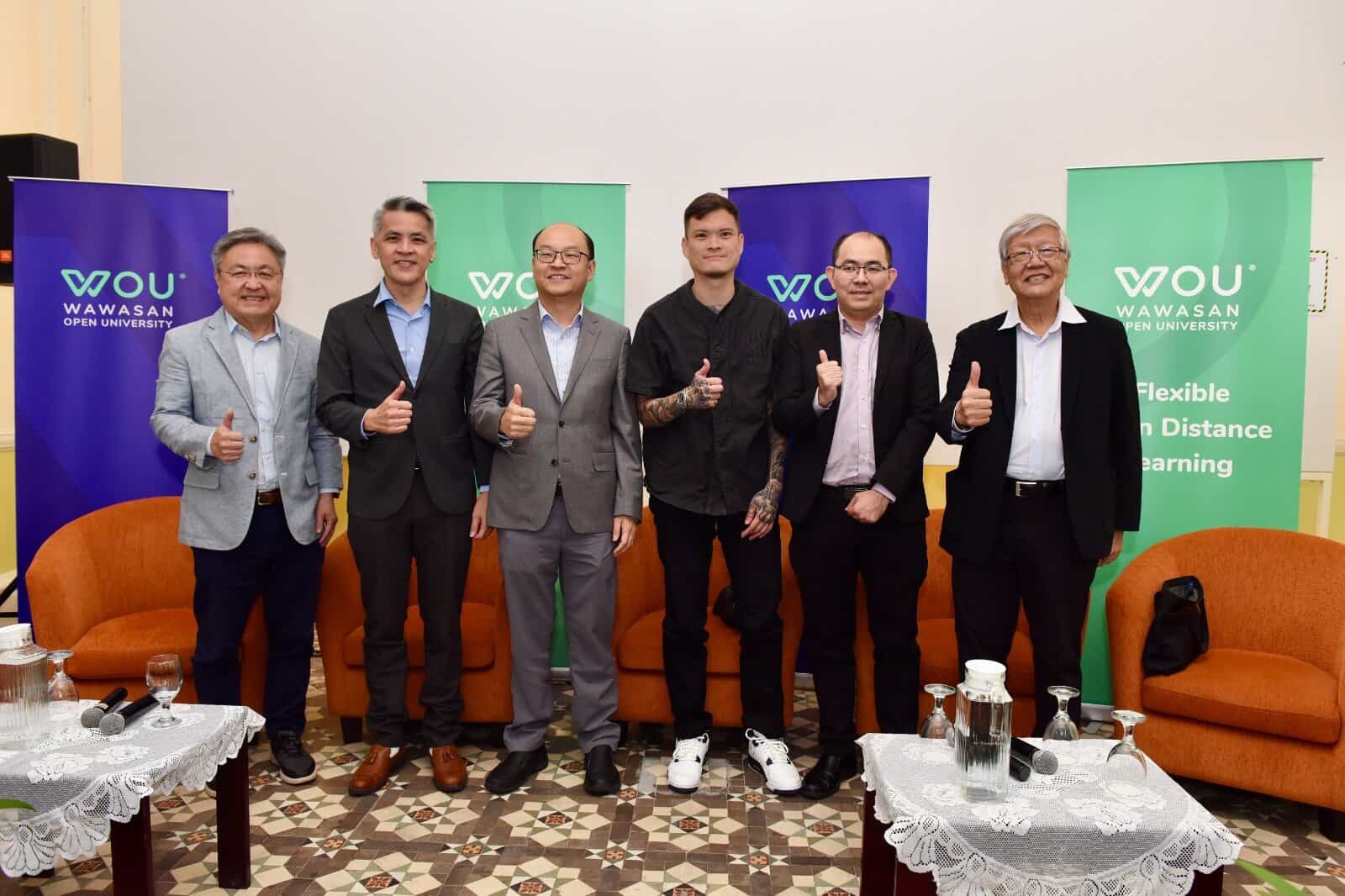

INDUSTRY leaders, technology researchers and academics recently gathered at Wawasan Open University (WOU) for a high-level Industry Roundtable hosted by the George Town Institute of Open and Advanced Studies (GIOAS).
GIOAS, a non-profit institute within WOU, focuses on exploring ideas and complexity in open societies.
The roundtable examined the strategic priorities Malaysia must address to remain competitive in the age of artificial intelligence (AI) and advanced semiconductors, including whether Penang needs a dedicated Semiconductor Institute.
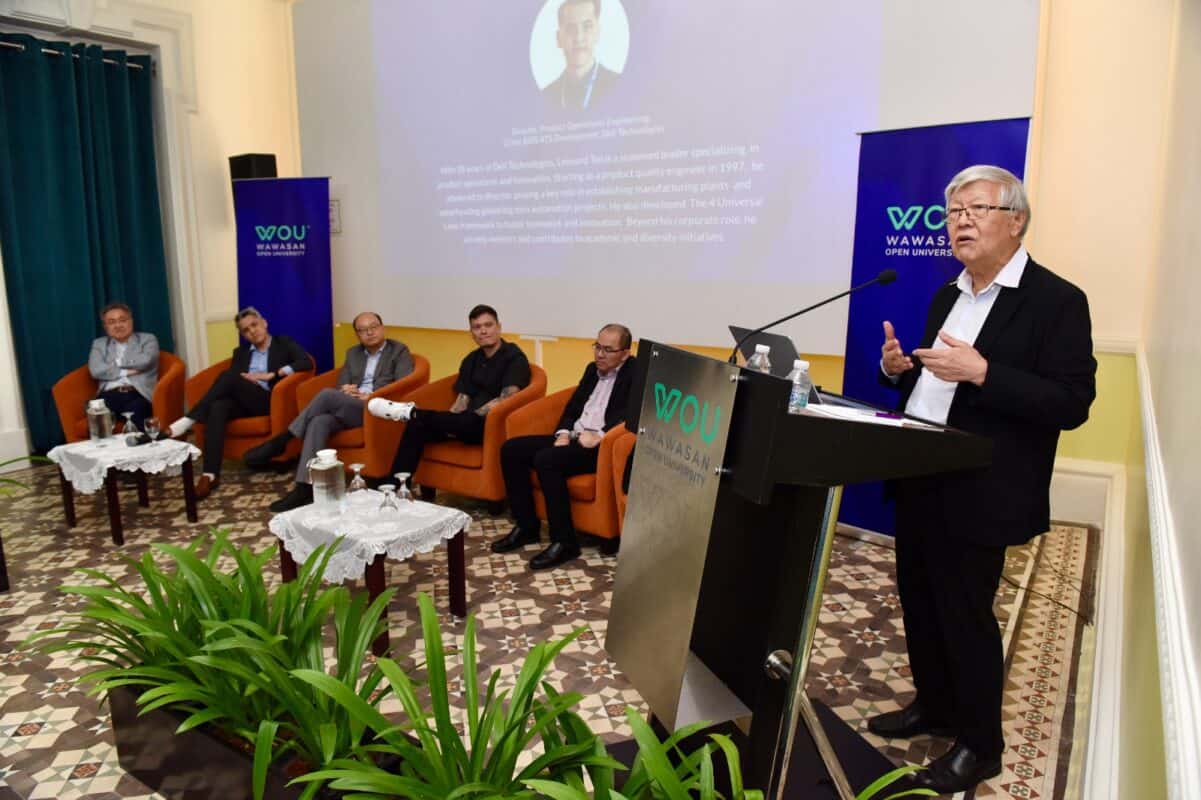
GIOAS chairman Tan Sri Andrew Sheng, who also moderated the session, outlined the strategic challenges facing AI and semiconductors amid rising global uncertainty.
The panellists were Dr Kewei Yang, co-founder of Analogix Semiconductor Inc in Silicon Valley; Leonard Tan, director of Product Operations Engineering at Dell Technologies; Ong Chin Hu, founder and chief executive officer of GreatASIC Technology; Tan Li Jia, a Penang-born creative technologist and AI-assisted art director at Riot Games; and Assoc Prof Ts Dr Sean Tan Koon Tatt, Dean of WOU’s School of Technology & Engineering Science.
Sheng noted that Malaysia is riding strong momentum from the global semiconductor boom, with Penang and the Northern Corridor anchoring a significant share of national output. At the same time, AI-driven chip design, geopolitical pressures, tariff volatility, and the rising demand for multidisciplinary engineering talent are rapidly reshaping the industry.
“The AI and semiconductor revolution is reshaping the twenty-first century, growing from a US$2.5 trillion frontier-technology sector to more than US$16 trillion in less than a decade. At the heart of this transformation are chips — the brains powering every intelligent system,” he said.
Citing the United Nations Conference on Trade and Development (UNCTAD), Sheng said the AI market alone is projected to expand from US$189 billion to US$4.8 trillion by 2033. McKinsey, meanwhile, estimates that the global semiconductor industry will surpass US$700 billion in revenue in 2025, putting it on track to become a trillion-dollar industry by 2030.
Technology giants are now driving global markets, leading in revenue, research and development, and capital investments. Nvidia’s market capitalisation has surged to around US$4.4 trillion, while Microsoft, Amazon, Alphabet and Meta have collectively committed to investing US$400 billion in AI-related capital expenditure in 2025. In early 2025, top US technology companies accounted for roughly half of all US economic growth.
“The US remains a huge market, not just as a consumer but also as a designer and driver of technology. Although the US still retains technological leadership, it sees competitive pressures ahead. China’s investment in technology is advancing rapidly. Three or four years ago, China was behind in several areas, but today it has caught up in many and is already formidable in supply-chain production,” Sheng said.
He highlighted that the cost of innovation is rising sharply. While a 65nm chip could be developed for under US$30 million two decades ago, designing a 3nm chip today can cost up to US$1 billion, excluding manufacturing.
Sheng emphasised that Penang’s and Malaysia’s future competitiveness hinges on talent development and the strategic use of AI to meet global demand for a highly skilled workforce.
“Technology is about speed, skills and scope. We do not have natural champions and rely heavily on multinationals. Ultimately, it comes down to people. Malaysia is fortunate to have built a critical mass in certain fields. Industry goes where talent is — once we lose talent, we are no longer in the game,” he said.
He credited the late Tun Dr Lim Chong Eu for his vision in pioneering Malaysia’s semiconductor industry in Bayan Lepas in 1972. Although Malaysia was the first country outside the United States to establish a semiconductor industry and had a 10-year headstart over Taiwan, it is today ranked sixth globally in assembly, testing and packaging (ATP), while Taiwan leads in high-value front-end processes such as advanced wafer fabrication and design
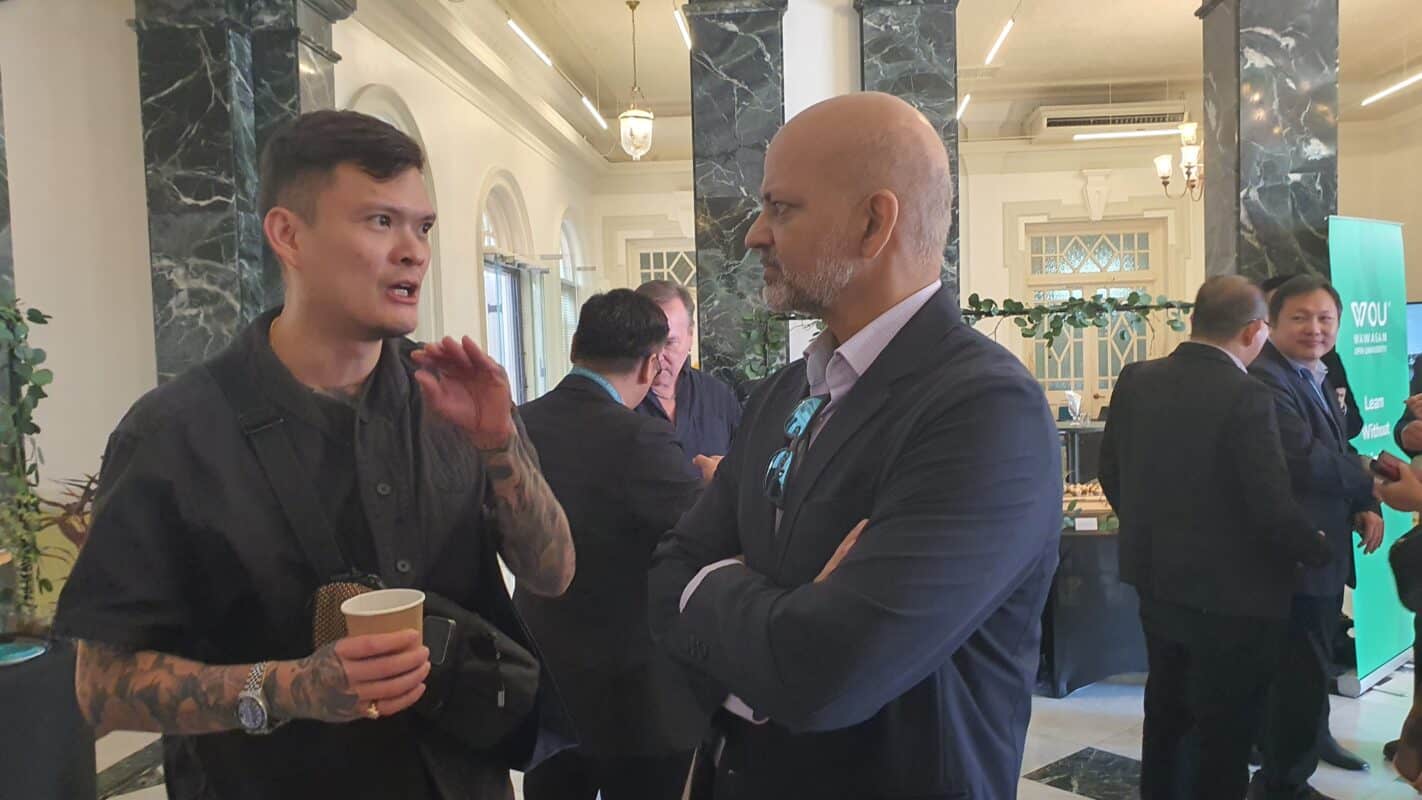
During the Q&A session, Apurva Sanghi, the World Bank Lead Economist for Malaysia, posed three questions. He asked how Penang and Malaysia, despite having a decade-long headstart, eventually fell behind Taiwan in semiconductors.
He also noted that while AI is driving an economic boom — contributing half of the USA’s GDP growth in the first half of 2025 — public sentiment is far more anxious compared to earlier tech waves like personal computers, mobile phones or the internet. Concerns now extend beyond job losses to issues such as bias, misinformation and lack of control.
His other questions were how the industry plans to address rising AI scepticism and how the future of young graduates will unfold in this context.
Responding to why Malaysia fell behind, Sheng said Taiwan reinvested heavily in its industry. He cited Finland, South Korea and Taiwan as examples of smaller or mid-sized nations that built global champions — Nokia, Samsung, LG, TSMC, UMC and Foxconn — while Penang continued relying largely on multinational corporations.
“We must not think that only the big boys can do it. We can do it. Chong Eu had the vision. He invited the Samurais here and built something remarkable. But we have not taken it to the next level,” he said.
“For Malaysia — and Penang in particular — the question is no longer whether we participate, but whether we can build the talent and innovation capacity to lead. Countries that master AI, advanced design and deep-tech R&D will define competitiveness for the next generation. Penang already anchors a world-class ecosystem; our next step is to connect talent, industry and universities more deliberately so we can move from manufacturing strength to innovation strength.”

Dr Sean Tan, who leads programmes aligned with Penang’s semiconductor and advanced engineering sectors, said academia plays a crucial role in talent development.
When students ask why they should study mechatronics and electronics when automation could displace them, Dr Sean said the debate will always continue.
“Technology has its pros and cons. Our task is to train students to operate at a higher level. They should be the ones programming and managing automation systems, while automation takes over repetitive tasks,” he said.
He added that WOU serves a different demographic from conventional universities.
“Our students are primarily working adults. We focus on upskilling the existing workforce, which differentiates us from traditional universities. More than 80 per cent of our students are below 40 and enrol to upgrade themselves. AI will not replace people outright, but people who know how to use AI will have a clear advantage,” he said.
Dr Kewei Yang, who has spent 30 years in Silicon Valley, advised that start-ups in semiconductors must adopt a long-term view.
“If a company expects profits within two or three years, I would be cautious. Semiconductors are a long-term business,” said Dr Yang, who now resides in Penang under the Malaysia My Second Home programme and is fond of Penang’s food culture.
While acknowledging the concern of AI taking over many jobs, he said the existing workforce should also upgrade itself.
Leonard Tan of Dell Technologies, with 28 years in product operations and innovation, said knowledge is critical. In his entrepreneurship-related work, he relies on Google’s Gemini for his day-to-day tasks.
Creative technologist Tan Li Jia, whose portfolio includes Star Wars and League of Legends: Wild Rift, shared insights from his 17 years across Riot, Tencent, Lucasfilm and NCSoft.
“What I used to do in the gaming industry — drawing assets that went into video games — is no longer done by hand. AI does it now. That means graduates face new pressures, but AI also creates new opportunities,” he said.
“Instead of going only to Ivy Leagues or top-tier universities, companies now also scout second- or third-tier institutions for students who are super open-minded and super willing to work with AI. They want people with ideas who know how to turn them into reality,” he said.
Ong Chin Hu, who previously held key roles at Tenasic, StarFive, Intel PSG and Marvell, said Malaysia should invest more in integrated circuit (IC) design.
He noted that technology stocks account for only about 10 per cent of the KLSE, compared with nearly 60 per cent in the US, highlighting significant untapped potential.
Ong also stressed the importance of government funding.
“Without government support, investors cannot compete. Ultimately, to be successful, we need products, not just services. If you create technology or integrate AI with another industry, there will be many opportunities,” said Ong, who recently founded a start-up.
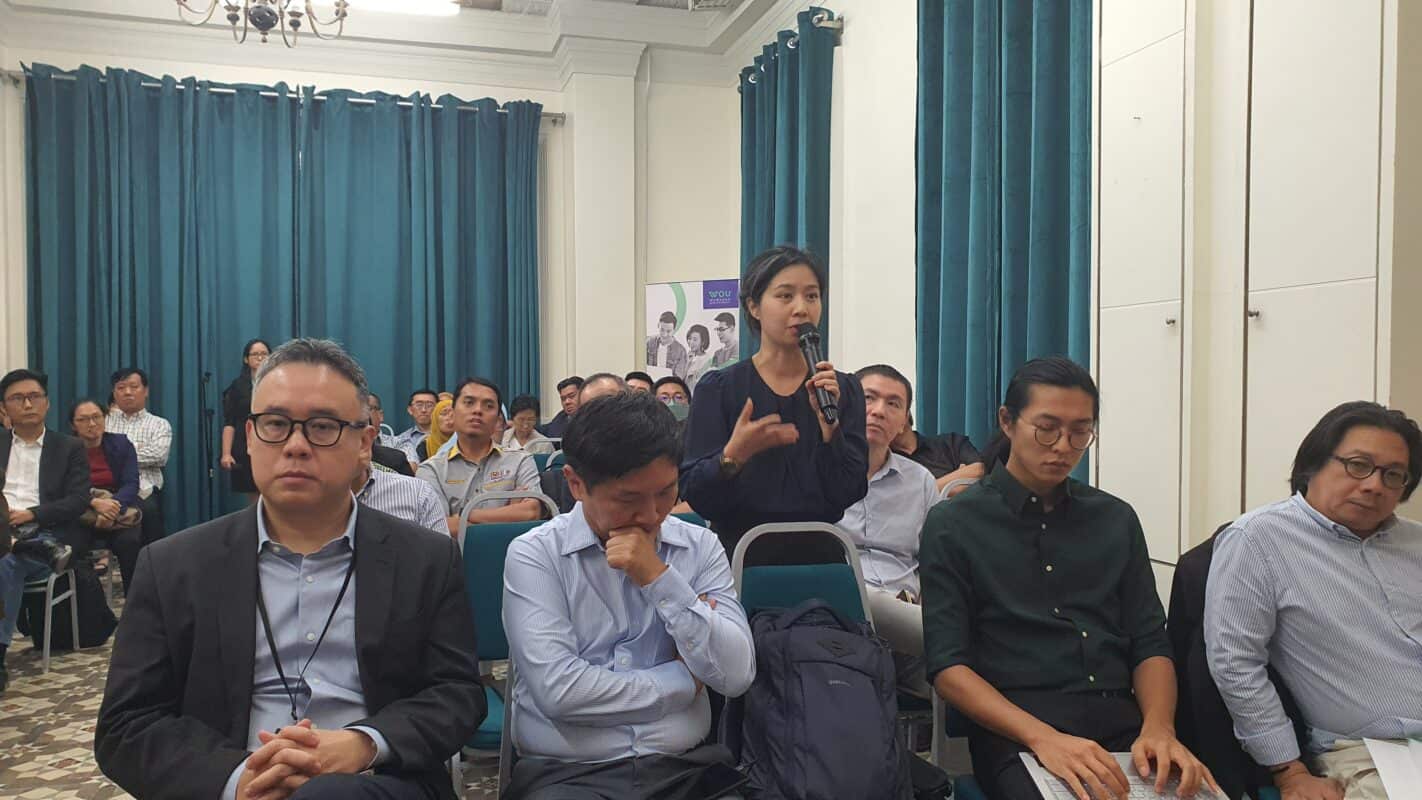
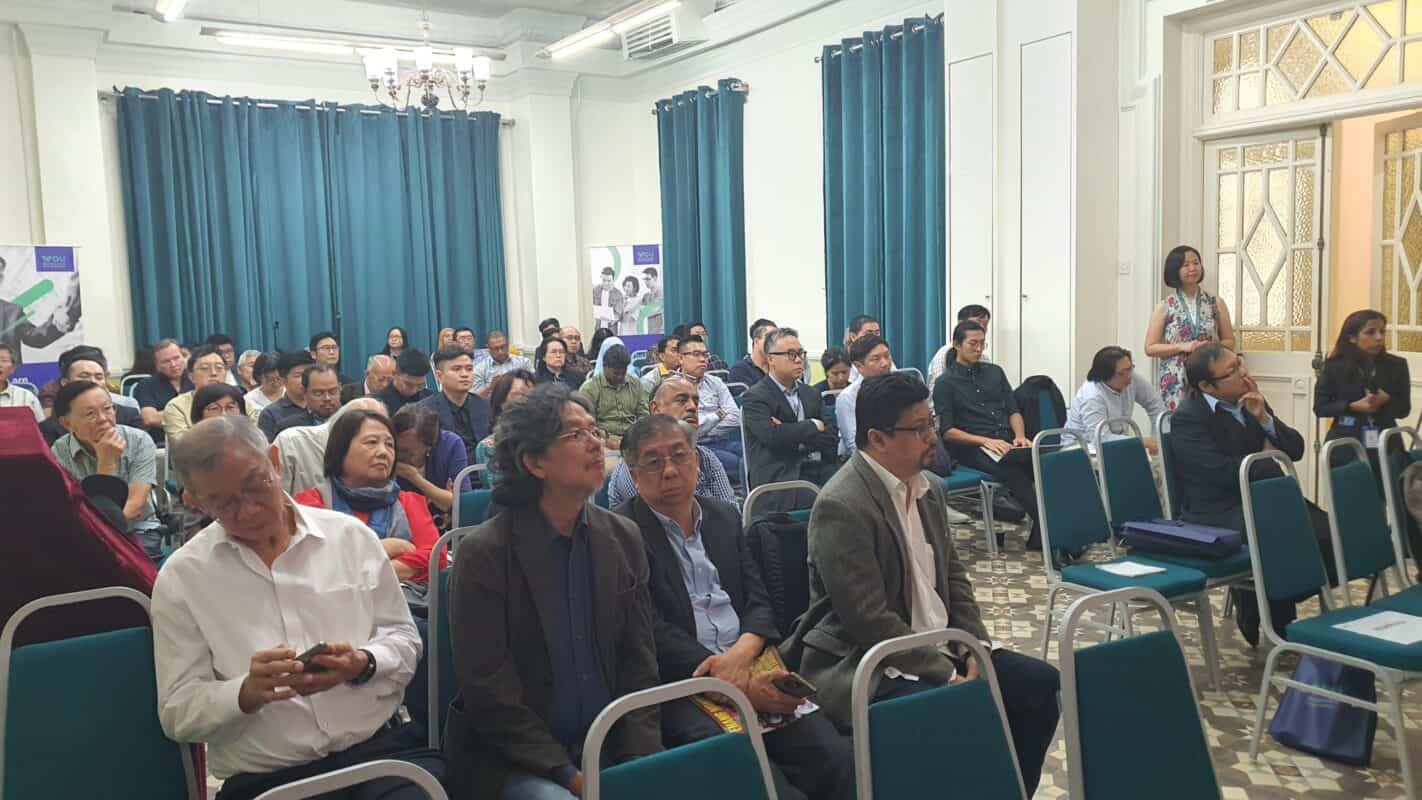
From the floor, several attendees also offered their perspectives. One highlighted India’s significant government investments in the semiconductor sector, while another suggested that multinationals in Malaysia could do more to share ideas and knowledge to advance the industry.
The roundtable made clear that Malaysia’s future in the AI–semiconductor era will hinge on one decisive factor: talent. Penang’s long-established ecosystem gives it a strong advantage, but industry leaders agreed that staying competitive now requires deeper reinvestment, stronger university–industry collaboration and a workforce ready to harness AI rather than fear it.
Whether or not a dedicated Semiconductor Institute becomes the next step, the consensus was that Penang must shift from being merely a centre of manufacturing excellence to a hub of design, innovation and high-value engineering. The foundations are already here; what matters now is how boldly Malaysia builds on them for the next generation.
Story by K.H. Ong
Pix by K.H. Ong and courtesy of Wawasan Open University