

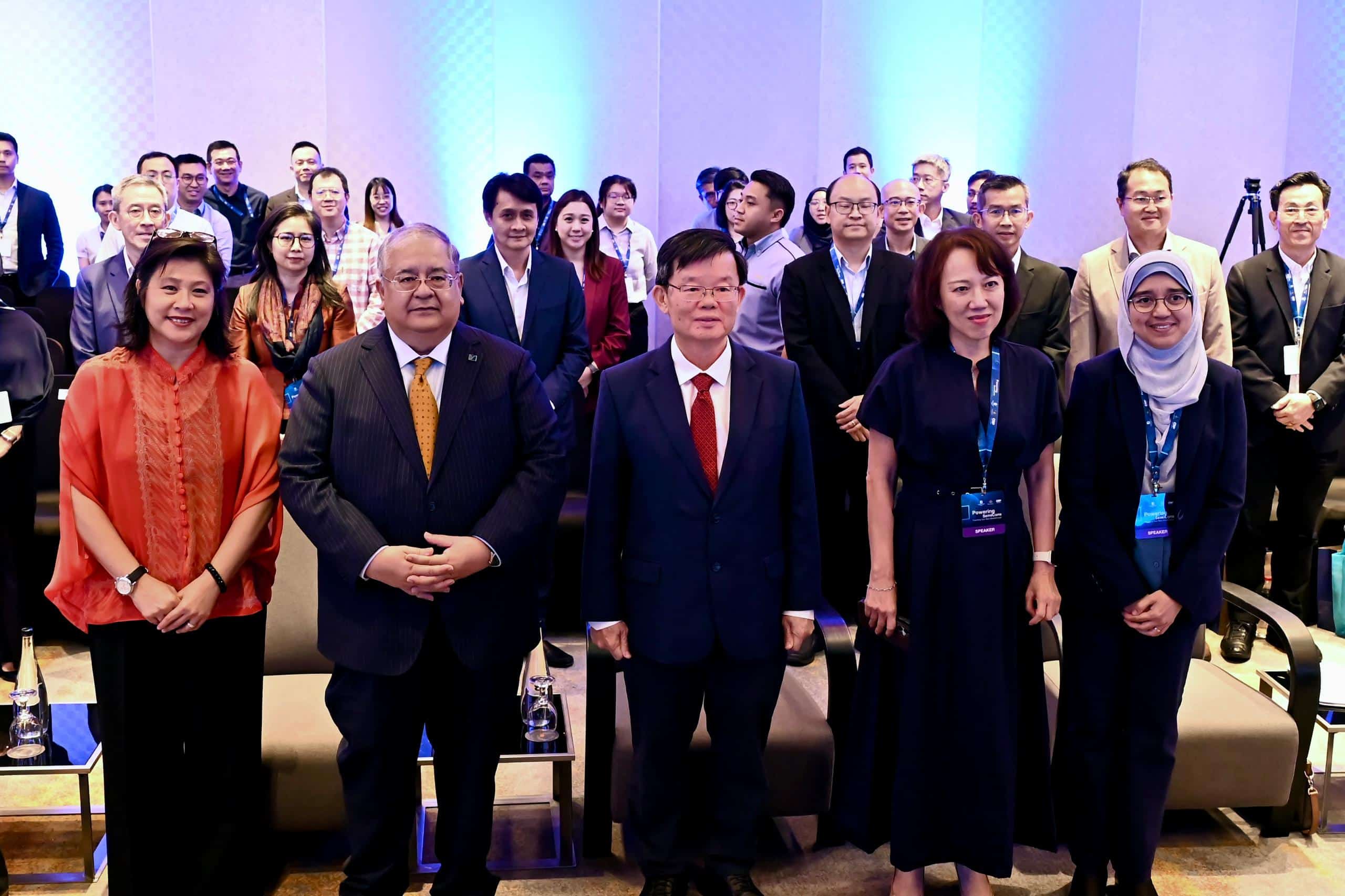

GREATER access to financing is crucial to helping Malaysian small and medium enterprises (SMEs) scale up and move higher up the semiconductor value chain, says Chief Minister Chow Kon Yeow.
He said financing remains an important missing piece in Penang’s semiconductor ecosystem, despite the state having built a strong foundation over more than five decades.
While companies in the same industry inevitably compete with one another, Chow said collaboration is the way forward to strengthen the ecosystem and ensure all players can move up the value chain together, without leaving competitors behind.
“Our local companies need to be more confident and daring in accessing capital. This includes equity financing, institutional investors and, where appropriate, the IPO route. As one of the speakers said, you need the guts to find people to support you,” he said.
Chow said going public should not be viewed solely as an exit strategy for company founders, but also as a means of raising capital to expand operations, attract talent and compete internationally.
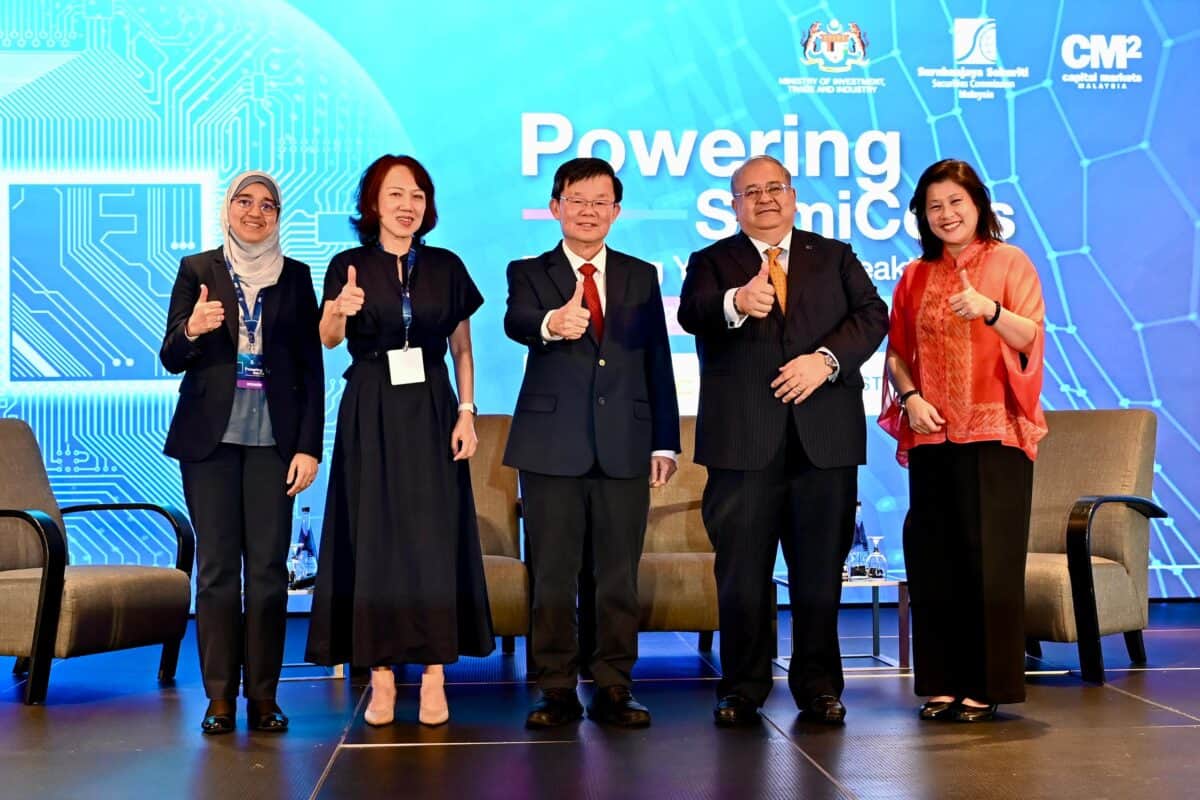
He was speaking at the closing of the Securities Commission Malaysia’s (SC) “Powering Semicons: Financing Your Next Breakthrough” roadshow at G Hotel Gurney in George Town today.
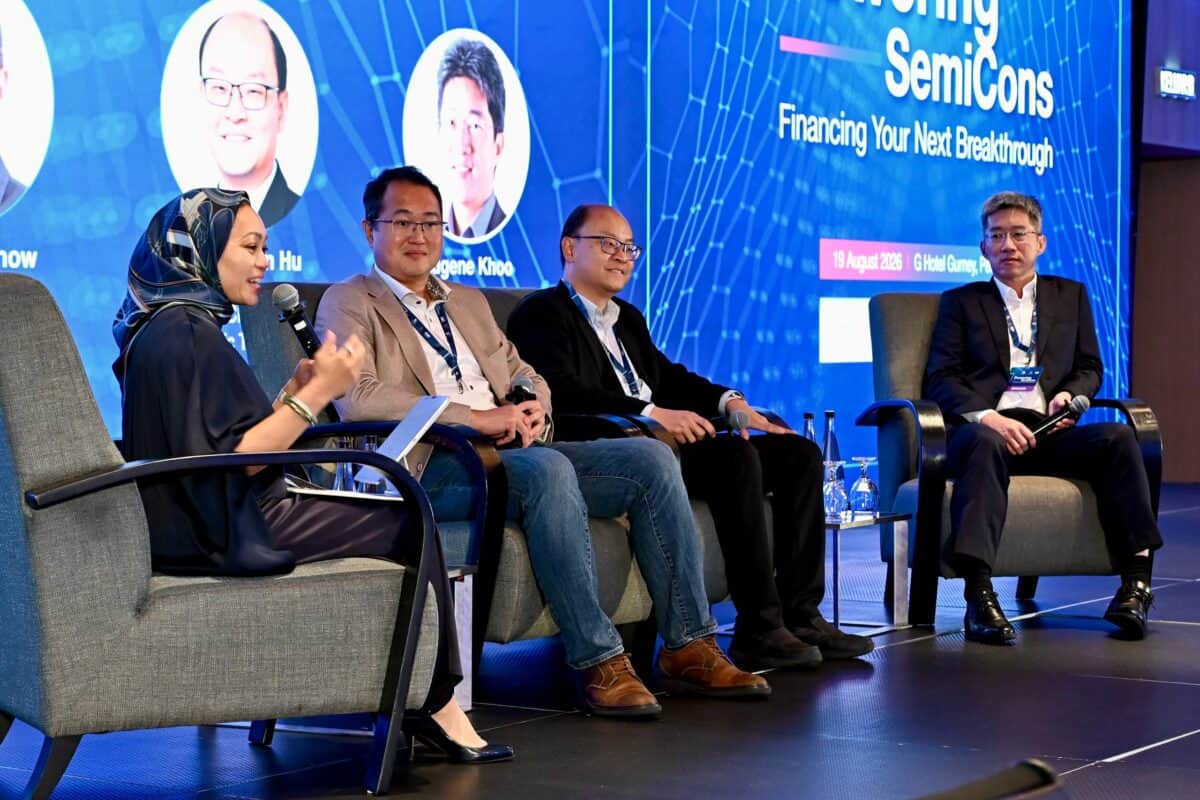
Chow said SMEs form the backbone of the semiconductor ecosystem, adding that stronger links to multinational corporations (MNCs), technology, talent and capital can enable them to grow and become more competitive.
“If we connect them to MNCs, technology, talent and capital, we create a much stronger semiconductor ecosystem,” he said.

Penang has a well-established semiconductor base, comprising MNCs, industrial infrastructure, industrial parks, experienced companies and a skilled workforce.
The state is also expanding into areas such as integrated circuit (IC) design and advanced test equipment (ATE), as the next phase of growth moves beyond assembly and manufacturing.
Chow said financing needs to develop alongside these capabilities to ensure local companies are able to take advantage of emerging opportunities.
“We have factories. We have the technology. We have the talent. Now, we need to make sure capital can flow to the companies that are ready to grow,” he said.
He also highlighted the role of the proposed Penang International Financial Centre (PIFC) in strengthening access to financing.
Chow said the PIFC is not intended simply to create another financial district or special economic zone, but to complement Penang’s existing industrial and technology ecosystem by ensuring companies have better access to capital.
“The purpose of pursuing the PIFC is not to compete with Kuala Lumpur, Labuan, or the Johor SEZ. Rather, we need to differentiate Penang’s financial centre based on our strong foundation as a technology hub in the world and in the region,” he told reporters after touring several booths at the closing ceremony.
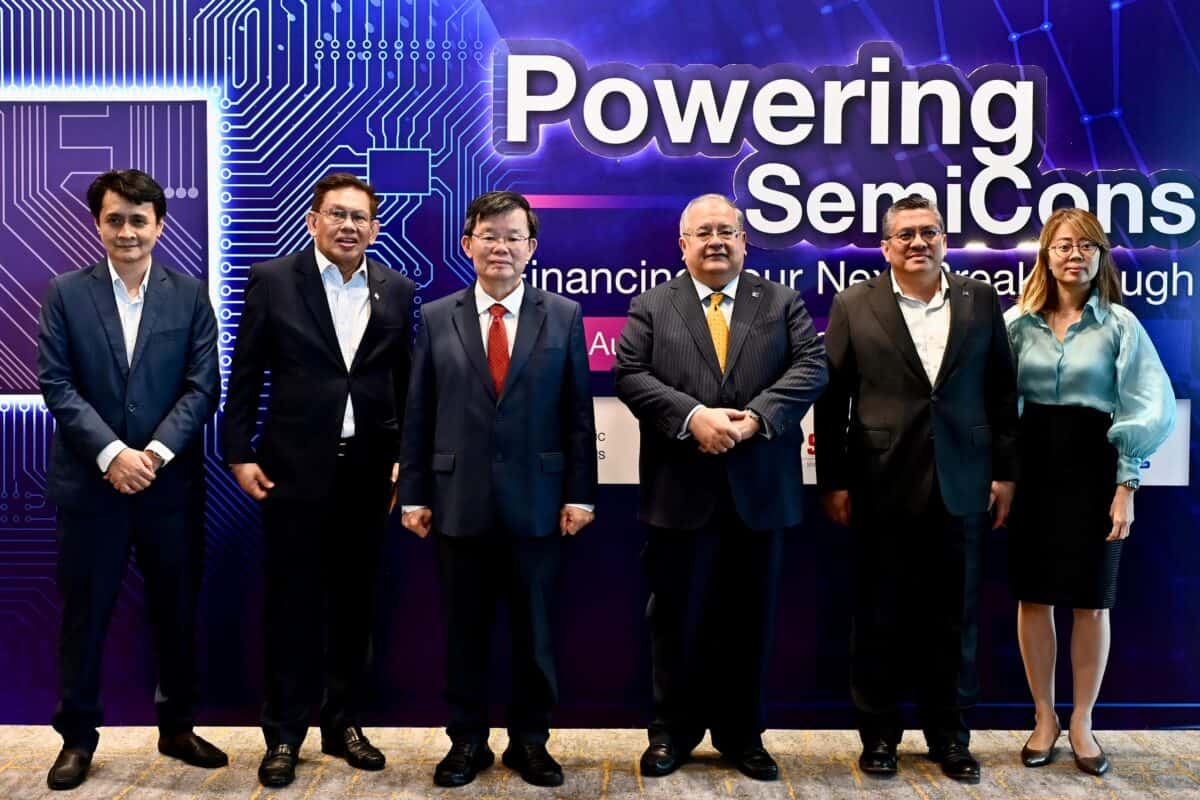
Chow earlier thanked the Securities Commission Malaysia and its chairman, Datuk Mohammad Faiz Azmi, for choosing Penang as the starting point for the roadshow, particularly as semiconductors have been at the heart of Penang’s economic development for more than five decades.
He said the roadshow in Penang was positive and timely, given developments in the semiconductor industry, geopolitical factors and the AI boom.
“This is indeed a time when companies need financing to expand,” he said.
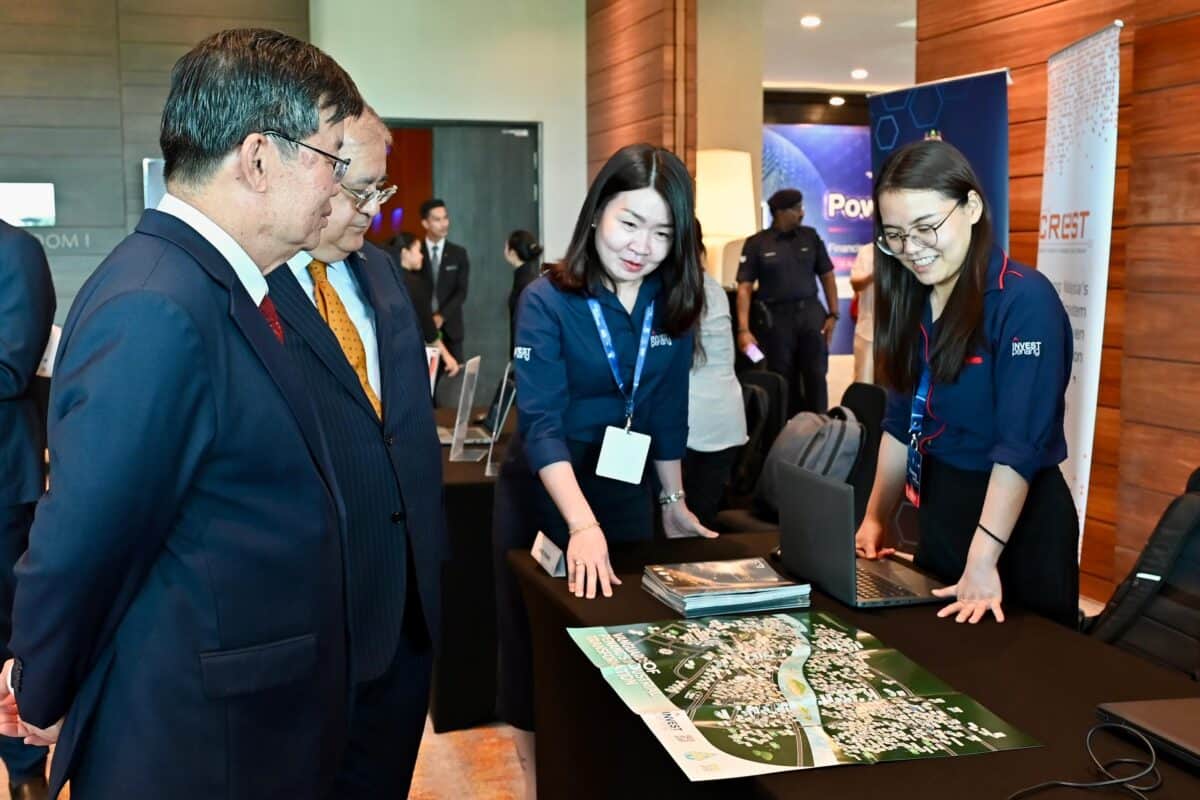
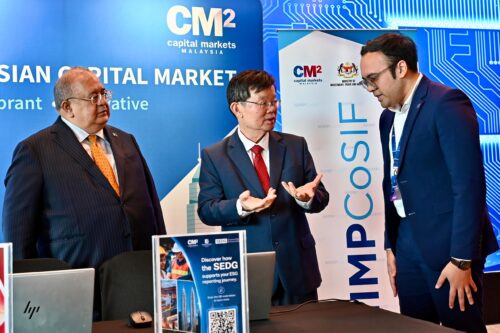
Chow said Penang had established a task force at the beginning of the year, followed by the appointment of a consultant.
“The next milestone is the completion of the white paper, which will form the basis for us to make our pitch to the Ministry of Finance and other relevant agencies to obtain approval to establish the PIFC,” he explained.
“So, in the presentation and discussion today, we highlighted how important financing is in helping our industries grow and obtain funding so that they can upskill. That is the role that a financial centre focused on technology can play.”
Asked whether Penang would push for the PIFC in Budget 2027, Chow said he hoped the matter would at least be acknowledged or, even better, approved.
Nevertheless, he said he would convey Penang’s desire to establish the PIFC to Prime Minister Datuk Seri Anwar Ibrahim when the latter visits the state at the end of this month.
Chow also said the state may consider tweaking the name of the proposed centre from PIFC to Penang Technology Financial Centre (PTFC).
Mohammad Faiz said the semiconductor industry remains a key driver of Malaysia’s economic growth and industrial transformation.
“As companies move up the value chain, access to the right financing becomes increasingly critical. The capital market can help bridge this gap by offering them a broader range of funding avenues beyond traditional financing,” he said.
“Through various initiatives, we are enabling semiconductor SMEs and mid-tier companies (MTCs) to raise growth capital, strengthen their competitiveness and seize opportunities in an increasingly dynamic global semiconductor industry,” he added.
The roadshow brought together over150 participants from across the semiconductor and capital market ecosystem, including semiconductor companies, capital market intermediaries, investors, government agencies and regulators, as well as key ecosystem enablers.
Also present at the closing ceremony were SC managing director Datin Paduka Azalina Adham, InvestPenang chief executive officer Datuk Seri Loo Lee Lian and Ministry of Investment, Trade and Industry (Miti) senior director Aedreena Reeza Alwi.
Story by K.H. Ong
Pix by Siti Nuratikah Rahmat
Video by Alissala Thian