

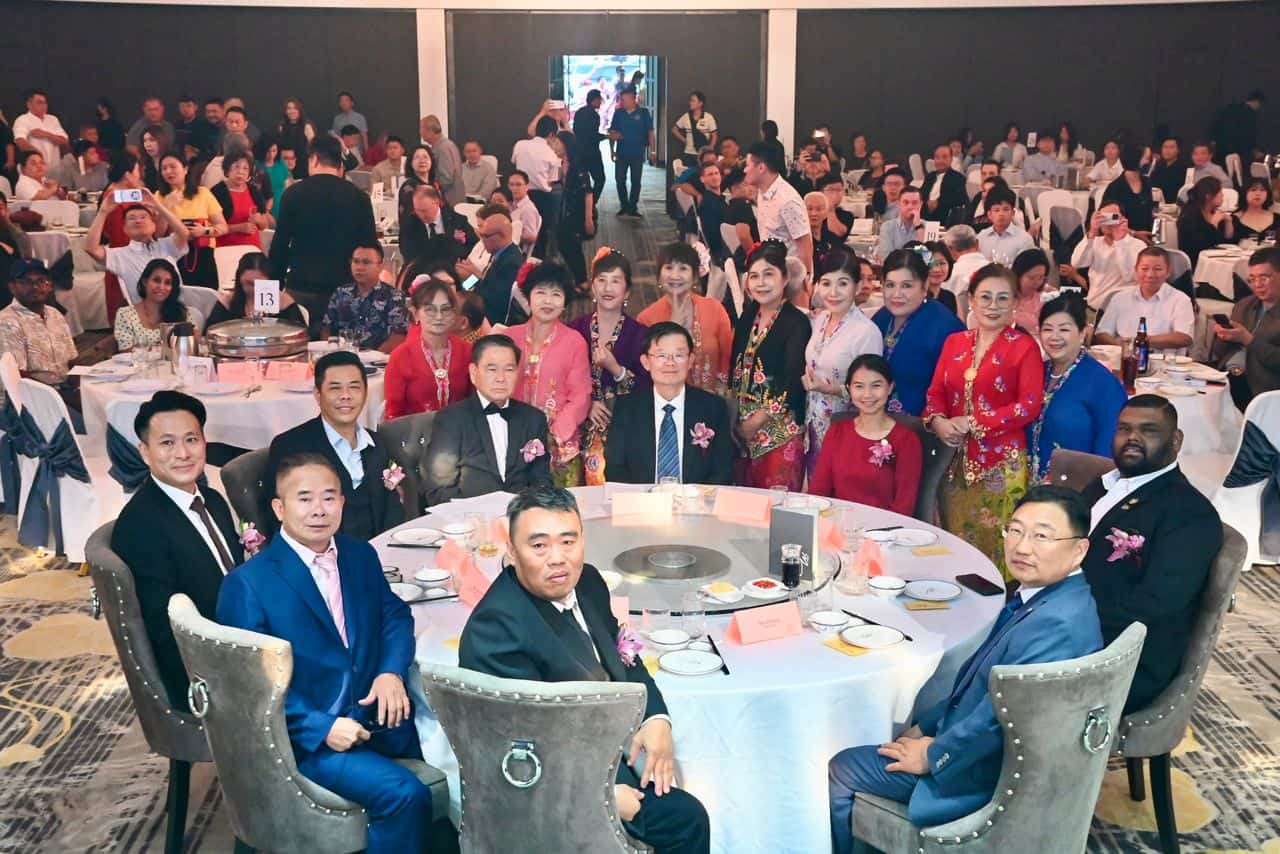

PIG farming in Malaysia must modernise, or there will be no place for traditional pig farming in this country, says Chief Minister Chow Kon Yeow.
He said this conclusion was drawn after years of dealing with issues surrounding the industry, noting that traditional farming methods are no longer sustainable.
“This is a reality that we have to face because of the significant environmental impact on surrounding communities. We must recognise the right of others to a clean environment, unpolluted river sources and fresh air,” he said at the Malaysia Pork Product Importers Association (PPPKM) Annual Dinner 2026 at Restaurant W World in George Town.
“Therefore, it is time to modernise, to move ahead, and to ensure that we are able to supply quality meat to consumers — whether through local pig farming operations or imports of pork products.”
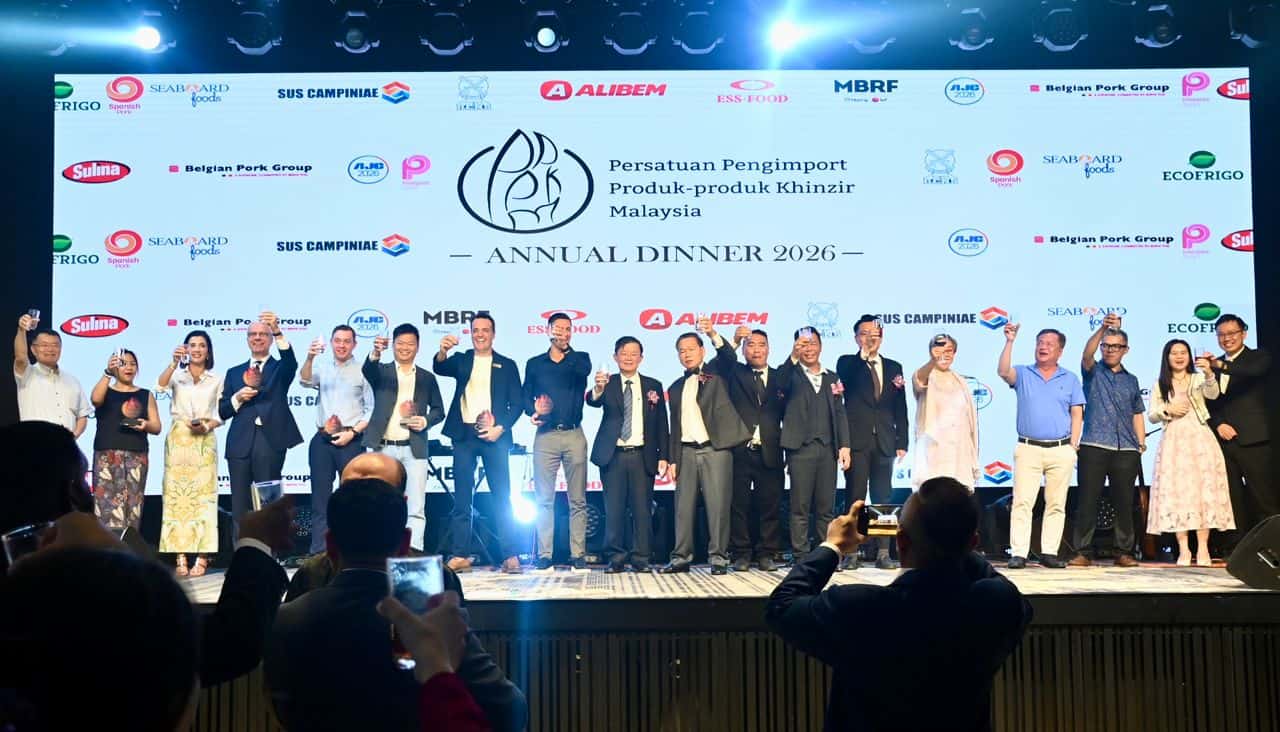
Describing pig farming as a very sensitive issue in Malaysia, Chow said the Penang government has taken steps since 2016 to regulate the industry, including introducing a state pig farming enactment and promoting closed-house farming systems.
These measures, he said, have begun to show positive results, particularly after challenges such as the outbreak of African Swine Fever (ASF).
Chow also highlighted the role of technology in addressing long-standing concerns, including odour pollution, citing a waste-to-energy plant commissioned in Kampung Valdor.
“I invited members of the media to visit the plant, and we could no longer smell the pungent odour that was once prevalent. This demonstrates how technology can help the pig farming industry progress and overcome its challenges,” he said.

Recalling an ASF outbreak in Kampung Valdor, he commended officers from the Department of Veterinary Services for their swift response in containing the disease.
“Although many of them are Muslim, they carried out their duties with dedication and professionalism,” he said, adding that their efforts were crucial in preventing further spread.

Chow also expressed appreciation to former director-general Datuk Dr Abd Aziz Jamaluddin for his contributions to the industry and for attending the dinner, noting that regulatory support has played a key role in sustaining pig farming in Malaysia.
Beyond local production, he underscored the importance of a reliable import system to ensure a steady pork supply, especially amid global uncertainties. He noted that food systems are increasingly strained by geopolitical tensions, climate variability, logistical disruptions and biosecurity risks.
“The government is there to assist all stakeholders in facing these challenges and can facilitate this through policies and regulations. However, industry players must ultimately see the value of compliance,” he said.
Among those present were Perlis’ Indera Kayangan assemblyman Gan Ay Ling, as well as guests from Belgium, Germany, Singapore and Indonesia.
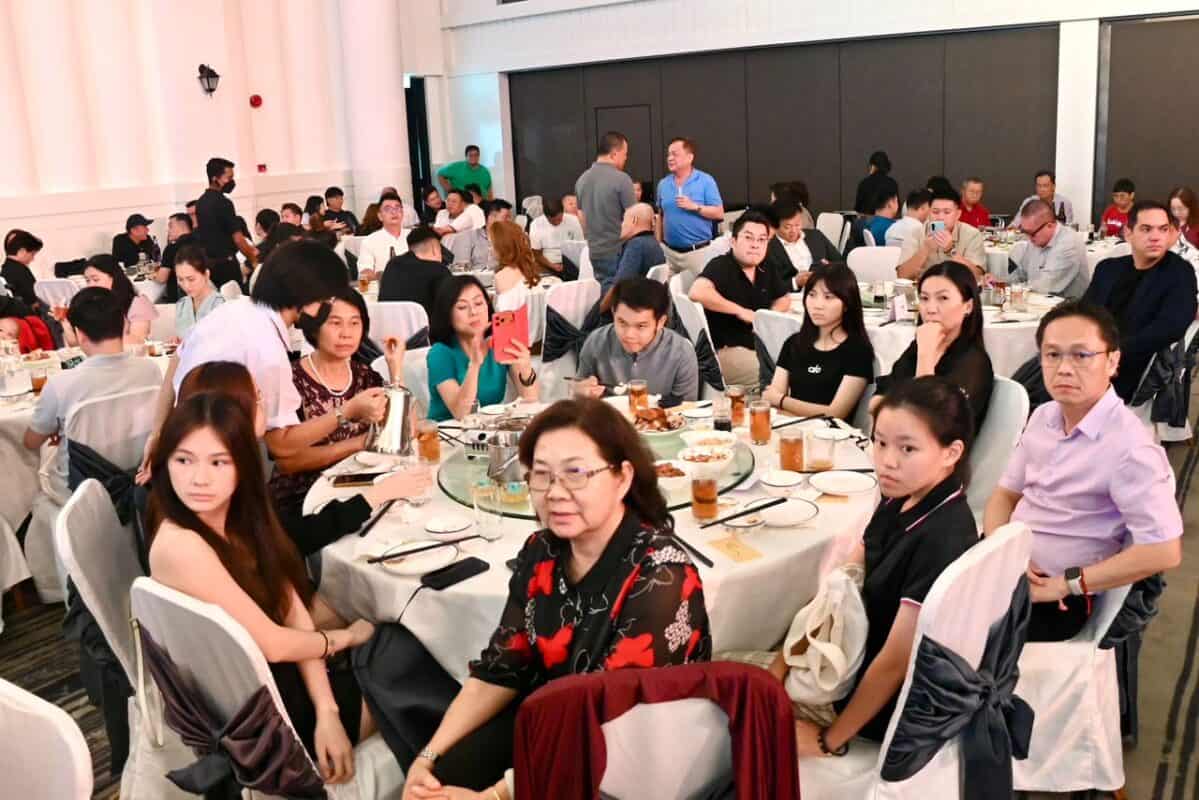
Meanwhile, PPPKM president Chong Kam Weng commended the Ministry of Agriculture and Food Security and the Department of Veterinary Services for ensuring that imported meat complies with strict safety and quality standards.
He stressed that the association takes a firm stance against illegal meat imports.
“Unregulated products pose serious risks — not only to public health, but also to the stability of the entire industry. Such activities may introduce harmful diseases, including viruses and bacteria that could severely impact local livestock farming,” he said.
Chong added that local pig farmers and importers should view their roles as complementary rather than competitive.
“As licensed importers, we share a common objective — to maintain a safe, stable and sustainable pork industry,” he said.
Story by K.H. Ong
Pix by Alissala Thian