

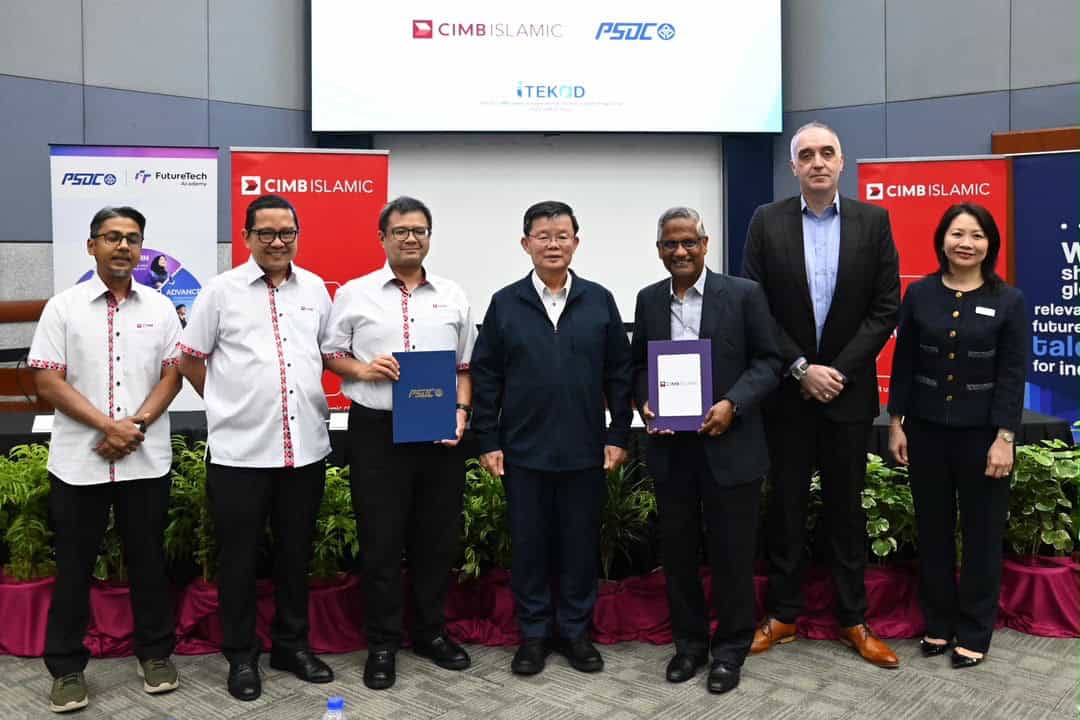

PENANG is strengthening its talent pipeline for the electrical and electronics (E&E) and advanced manufacturing industries through a new initiative aimed at equipping underserved youth with industry-relevant technical skills and employment opportunities.
CIMB Islamic Bank Berhad (CIMB Islamic) and the Penang Skills Development Centre (PSDC) have joined forces to introduce the iTEKAD CIMB Islamic Employment & Technical Skills Programme, a skills-to-employment initiative designed to help eligible B40 youth gain practical training and access to meaningful career opportunities.
The pilot programme will benefit 40 participants, divided into two cohorts of 20, with each cohort undergoing three months of full-time training comprising 480 hours.
Delivered through PSDC’s Future Manufacturing Talent Programme, the training will emphasise hands-on practical learning, complemented by technical theory and employability development to prepare participants for the demands of the workplace.
The programme was officially launched by Chief Minister Chow Kon Yeow at PSDC in Bayan Lepas today.
Also present were PSDC Management Council deputy chairman Glen Brownlie, PSDC chief executive officer Datuk Dr Hari Narayanan and CIMB Islamic chief executive officer Ahmad Shahriman Mohd Shariff.
Ahmad Shahriman said the collaboration reflected CIMB Islamic’s commitment to advancing financial inclusion and socioeconomic mobility through iTEKAD, Bank Negara Malaysia’s (BNM) social finance initiative aimed at promoting sustainable socioeconomic empowerment.
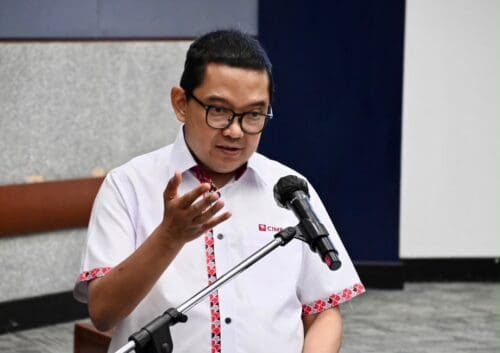
“The programme seeks to equip eligible B40 youth from diverse backgrounds with practical skills, financial knowledge and employment opportunities within the electrical and electronics (E&E) and advanced manufacturing sectors,” he said.
He added that the initiative demonstrated how financial support, when combined with targeted skills development, could create more sustainable economic opportunities for underserved communities.
“Many young Malaysians have the potential to succeed but may not always have access to the same opportunities after completing their schooling.
“This represents a significant inaugural initiative for CIMB Islamic to equip talent with Technical and Vocational Education and Training (TVET) skills in strategic sectors under BNM’s iTEKAD Employment programme, introduced at the BNM Sasana Symposium in July 2026.
“Through iTEKAD Employment, we hope to provide an alternative pathway for underserved youth to acquire industry-relevant skills, secure meaningful employment and strengthen their long-term economic prospects,” he said.
Ahmad Shahriman said the initiative was particularly timely given the significant opportunities emerging from Malaysia’s growth as a regional hub for E&E and advanced manufacturing.
Meanwhile, Brownlie said the collaboration addressed two important priorities, namely meeting the industry’s growing demand for skilled talent and creating more accessible pathways for workforce development.
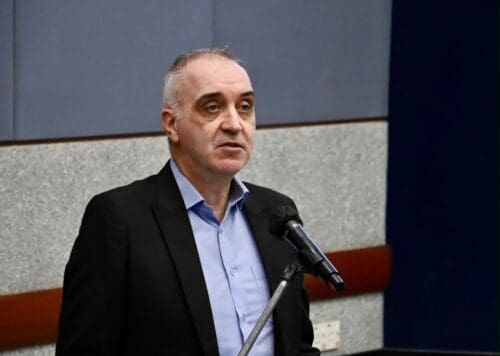
“Industry cannot simply consume talent. We also have a responsibility to create it.
“Through this programme, we want to give young people a practical starting point by equipping them with the skills, knowledge and workplace attitudes that employers value,” he said.
Upon successful completion of the programme, participants will receive a PSDC certificate of completion and benefit from employment placement facilitation through the centre’s extensive industry network, connecting them with potential employers in the E&E and manufacturing sectors.
Beyond technical training, CIMB Islamic will also conduct financial literacy, anti-scam awareness and Islamic banking sessions to help participants develop essential financial knowledge.
Eligible participants will additionally receive individual takaful protection to strengthen their financial resilience as they transition into the workforce.
Chow commended CIMB Islamic and PSDC for their collaboration, describing it as an important effort to expand access to skilled employment for young Malaysians.
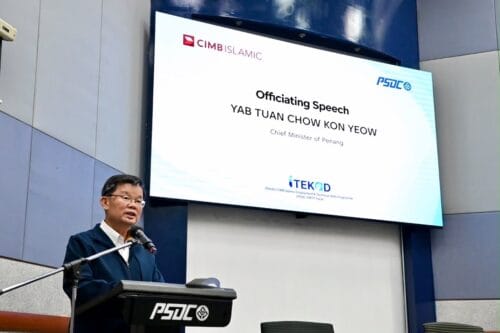
“Allow me to congratulate CIMB Islamic and PSDC on this collaboration. It brings together an Islamic financial institution and one of the nation’s most respected skills development centres, united by a shared purpose of opening pathways to skilled employment for young Malaysians,” he said.
Chow said industry estimates indicated that Malaysia needed approximately 50,000 more skilled engineers, while universities produced around 5,000 engineering graduates annually.
“Our universities produce around 5,000 engineering graduates a year. Closing that gap will require every pathway we have.
“For many young Malaysians, that pathway is blocked early. By the cost of training. By the lack of industry contacts. By three months without income that a struggling family simply cannot afford.
“That is why technical and vocational education and training, or TVET, must stand at the very centre of our talent agenda. TVET is the front line of Penang’s competitiveness,” he said.
He added that the state government was working to build a stronger talent pipeline from an earlier stage through initiatives such as the Penang STEM Talent Pilot.
“The RM12.3 million collaboration with the Ministry of Economy aims to reach 100,000 students by 2030, with priority given to rural schools and lower-income families.
“Practical skills begin from Form Four, so that students can step into the workforce straight after secondary school,” he said.
Chow said the new programme would strengthen another important link in the talent development ecosystem, particularly by providing underserved youth with a pathway into skilled employment.
He noted that BNM’s iTEKAD initiative had traditionally focused on helping low-income Malaysians establish small businesses, while the introduction of iTEKAD Employment opened another avenue by supporting access to skilled jobs.
“Until now, iTEKAD has largely helped low-income Malaysians start small businesses. Today, it opens a second door, into skilled employment.
“Participants will complete 480 hours of hands-on training in semiconductor and electronics assembly, precision work and quality inspection,” he said.
Story by Riadz Akmal
Pix by Alissala Thian
Video by Noor Siti Nabilah Noorazis