

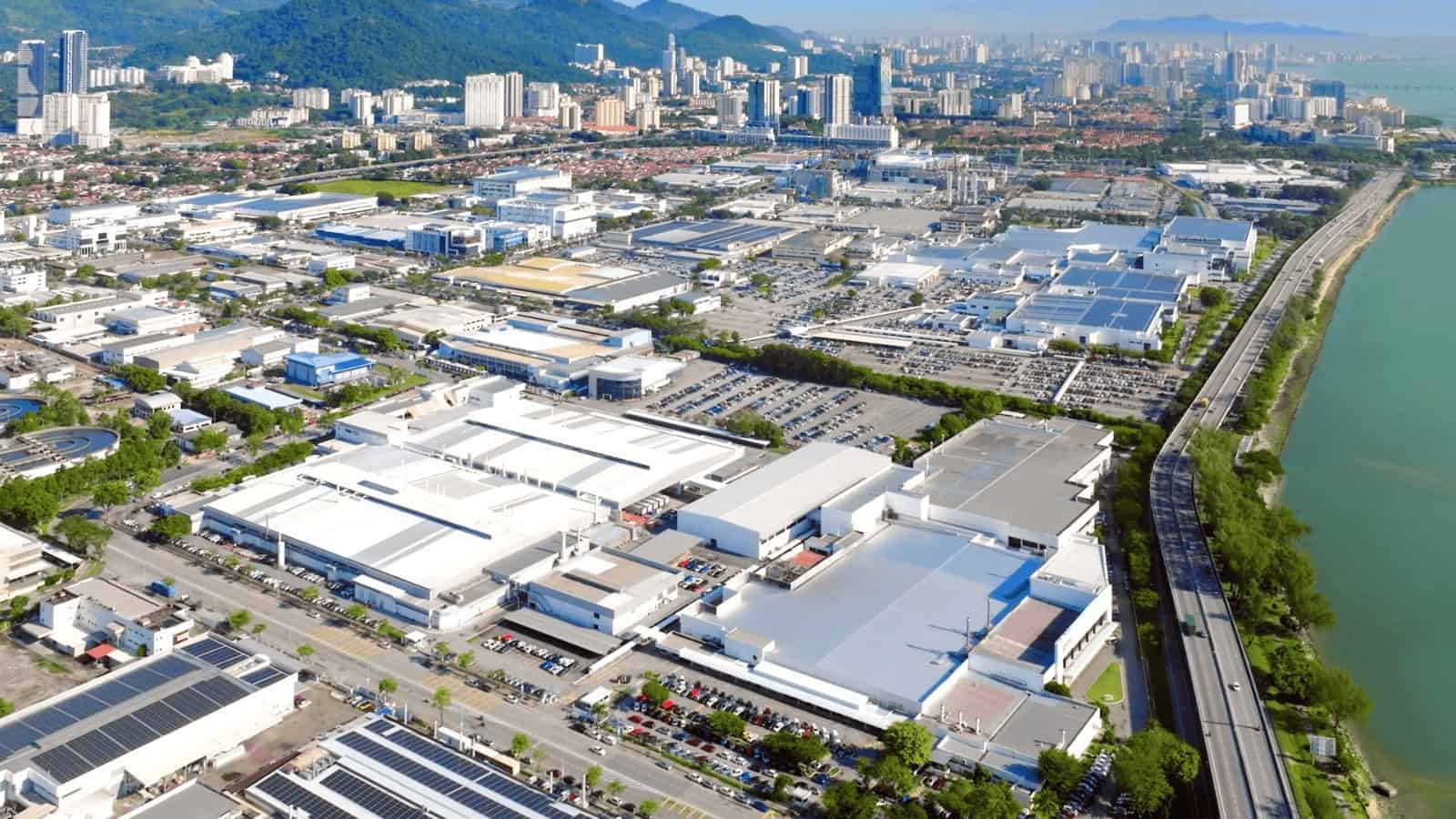

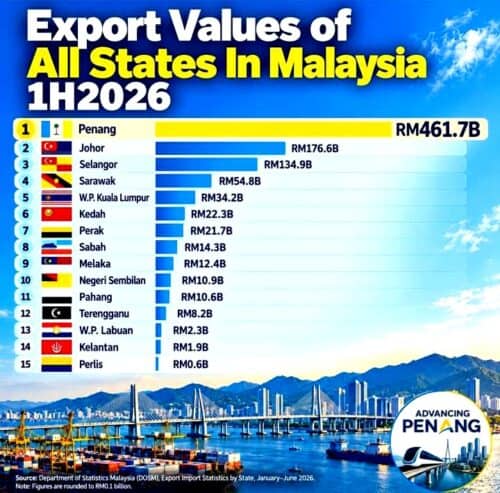
THREE industry leaders are optimistic that Penang will continue to perform well in the second half of 2026, following its strong export performance in the first six months of the year. Penang topped all Malaysian states with RM461.7 billion in exports, accounting for about 47.5% of the country’s total exports.
Malaysia Semiconductor Industry Association (MSIA) president Datuk Seri Wong Siew Hai said that, barring any unexpected global disruptions, exports from the electrical and electronics (E&E) sector are expected to continue growing in the second half of 2026 and into 2027.
Equally important, he said, is Penang’s ability to attract continued investment, expand manufacturing capabilities, and ensure a supply of skilled talent.
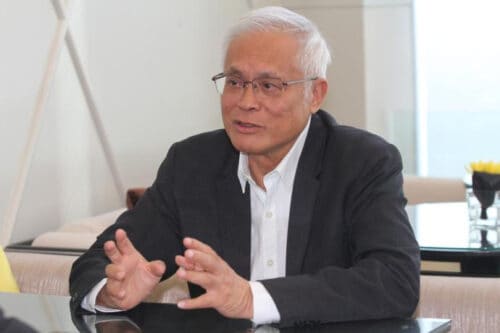
“Penang’s well-established semiconductor ecosystem provides a strong foundation to capitalise on these opportunities and sustain its competitiveness in the global market,” Wong told Buletin Mutiara in an interview.
Of the RM461.7 billion in exports recorded in the first half of 2026, Penang Chief Minister Chow Kon Yeow said the state’s E&E exports amounted to RM350 billion, accounting for approximately 76% of its total exports.
Wong said the strong performance was supported by growing demand for semiconductors, particularly for artificial intelligence (AI), data centres and high-performance computing, alongside Penang’s mature manufacturing ecosystem, established supply chains and skilled workforce.
He added that other important industries included medical devices, machinery and equipment, precision engineering and other advanced manufacturing activities, which further strengthened Penang’s diversified industrial ecosystem.
Foreign direct investment (FDI), domestic investment and the expansion of existing factories had all played significant roles in strengthening Penang’s export performance, he said.
Wong said that between 2021 and 2025, Penang attracted approximately RM193 billion in approved manufacturing investments, supporting the continued development of its industrial ecosystem.
He cited the E&E sector as a clear example of sustained investment, with exports increasing from RM358.1 billion in 2024 to RM436.9 billion in 2025, representing growth of approximately 22%.
“These investments have helped expand production capacity, strengthen technological capabilities and develop local supply chains, enabling Penang to capture growing global demand.
“Continued reinvestment by existing manufacturers is equally important in sustaining Penang’s long-term export competitiveness,” he said.
Building on semiconductor strength
To maintain its competitive position, Wong said Penang must continue moving up the semiconductor value chain, particularly in advanced packaging, integrated circuit (IC) design, semiconductor equipment manufacturing, research and development (R&D), and emerging technologies such as silicon photonics.
He said it is also vital for Penang to strengthen specialised talent development, support Malaysian small and medium enterprises (SMEs) in participating in higher-value supply chains, and ensure that infrastructure keeps pace with industrial growth.
He highlighted the need for greater emphasis on SME capacity building to nurture more local companies in high-value industries such as E&E and semiconductors.
At the same time, existing Malaysian companies must be supported in adopting new technologies, developing their capabilities, expanding their businesses and growing their operations to enable them to participate more meaningfully in global supply chains, he said.
“The RM100 million fund announced in the recent Budget 2027 for Penang will stimulate more innovation and growth among Malaysian companies if used effectively.
“Strengthening local industry capabilities will create a positive multiplier effect, generating more high-skilled, better-paying jobs, increasing domestic value creation and ensuring that Penang’s export growth delivers broader economic benefits to businesses and the people,” he said.

SME Association of Seberang Perai president K.C. Chong said Penang’s RM461.7 billion export achievement was a major milestone and something the state could be proud of.
He said he is generally positive about Penang’s outlook, particularly with the continued development of the semiconductor industry, AI-related technologies and advanced manufacturing.
However, he cautioned that future growth cannot be taken for granted, as it will depend on global demand, geopolitical developments, trade policies, business costs and the availability of skilled workers.
Beyond the export figures, he said the key question is whether local SMEs are also becoming stronger, more profitable and more competitive.
“Our goal should not only be to attract more investments and increase exports, but also to help more local businesses move into higher-value activities and benefit from this growth.
“As the SME Association of Seberang Perai, we believe closer cooperation between the government, MNCs, financial institutions, training providers and SME associations is important to make this happen,” he said.
More support needed for local businesses
Chong noted that local SMEs play an important role in supporting Penang’s semiconductor and E&E industries, with many providing parts, engineering services, tooling, automation, logistics and other supporting services to larger manufacturers.
“However, some SMEs are still doing lower-margin work, where profits are limited. We need to help them move into higher-value business activities by encouraging the use of new technology, automation and better skills training.
“We should also encourage more cooperation between MNCs and local SMEs so that local companies have more opportunities to become important business partners rather than just suppliers,” he said.
Chong observed that the main challenges facing SMEs today are rising business costs, difficulties in finding skilled workers, cash flow problems and uncertainty in the global supply chain.
Traffic congestion, logistics costs and global uncertainties are additional challenges that can affect their daily operations.
“SMEs usually have less bargaining power when buying materials or negotiating prices with customers. When costs go up, they may not be able to increase their selling prices accordingly. This puts pressure on their profit margins.
“At the same time, SMEs find it difficult to compete with large companies to attract skilled workers. Many also want to invest in automation and digital technology but lack the funds or knowledge to do so,” he said.
Chong said the government and industry should focus on three main areas.
They include encouraging MNCs to work more closely with local suppliers and helping them meet the standards required to secure higher-value contracts; making it easier for SMEs to obtain funding and support to upgrade their machinery, improve productivity and adopt digital technology; and promoting closer cooperation between companies, colleges and technical and vocational education and training (TVET) institutions to train workers with the skills the industry needs.
He said when SMEs become more productive and profitable, they will have a better chance to grow their businesses, pay better salaries and create more stable jobs.
“At the end of the day, Penang’s success should not only be measured by how much we export, but also by how much our local businesses grow, how many better jobs we create and how much the people of Penang benefit from this growth,” he said.
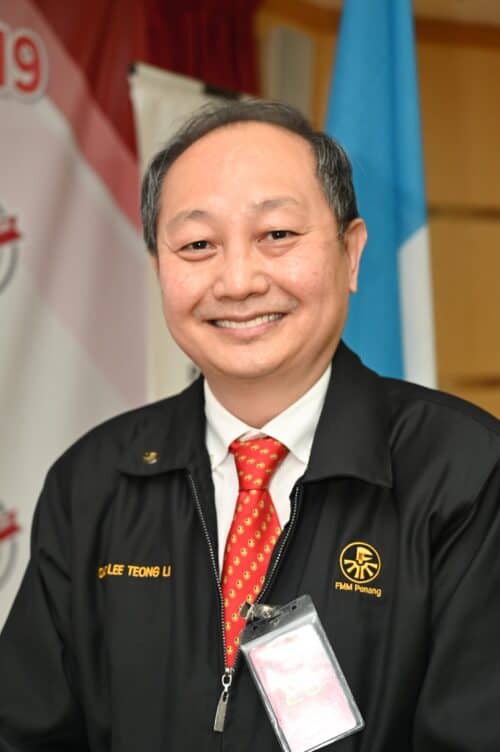
Federation of Malaysian Manufacturers (FMM) Penang Branch chairman Datuk Seri Lee Teong Li said Penang’s export performance in the first half of 2026 reflected the strength, resilience and global competitiveness of the state’s industrial ecosystem.
He said Penang’s export outlook remains supported by global demand for AI infrastructure, automotive electronics and medical technology. However, sustained growth will depend on global economic conditions, geopolitical developments, talent availability and the timely delivery of critical infrastructure projects.
While E&E and semiconductors remain Penang’s primary export drivers, non-E&E sectors such as medical devices, precision engineering, advanced equipment, optical products and chemicals are increasingly contributing to industrial growth.
This diversification, he said, strengthens Penang’s resilience against fluctuations in global semiconductor demand.
Addressing industry challenges
Lee said that despite the strong export performance, manufacturers continue to face significant challenges, including shortages of skilled engineers and technicians, rising wages, logistics and energy costs, and infrastructure constraints.
He said timely improvements to Penang International Airport, the Penang International Logistics Aeropark (PILA) and industrial road connectivity will further support growth. Geopolitical uncertainties and increasingly stringent environmental, social and governance (ESG) requirements also call for more resilient and sustainable supply chains.
“Local SMEs are vital partners in Penang’s manufacturing ecosystem. FMM Penang advocates greater access to matching grants and financing for automation, digitalisation and AI adoption, alongside support for ESG compliance and carbon management.
“Stronger vendor development programmes and technology transfer between multinational corporations (MNCs) and local SMEs will help businesses develop higher-value capabilities and participate in global supply chains,” Lee said.
He said FMM Penang remains committed to working closely with the Penang state government, the Malaysian Investment Development Authority (Mida), MSIA and industry stakeholders to strengthen the state’s industrial competitiveness, accelerate technological upgrading and develop a more resilient, sustainable and high-value manufacturing ecosystem.
“Our shared objective is to ensure that Penang’s export success translates into long-term economic growth, stronger local enterprises and better opportunities for its people,” he said.
Story by K.H. Ong