

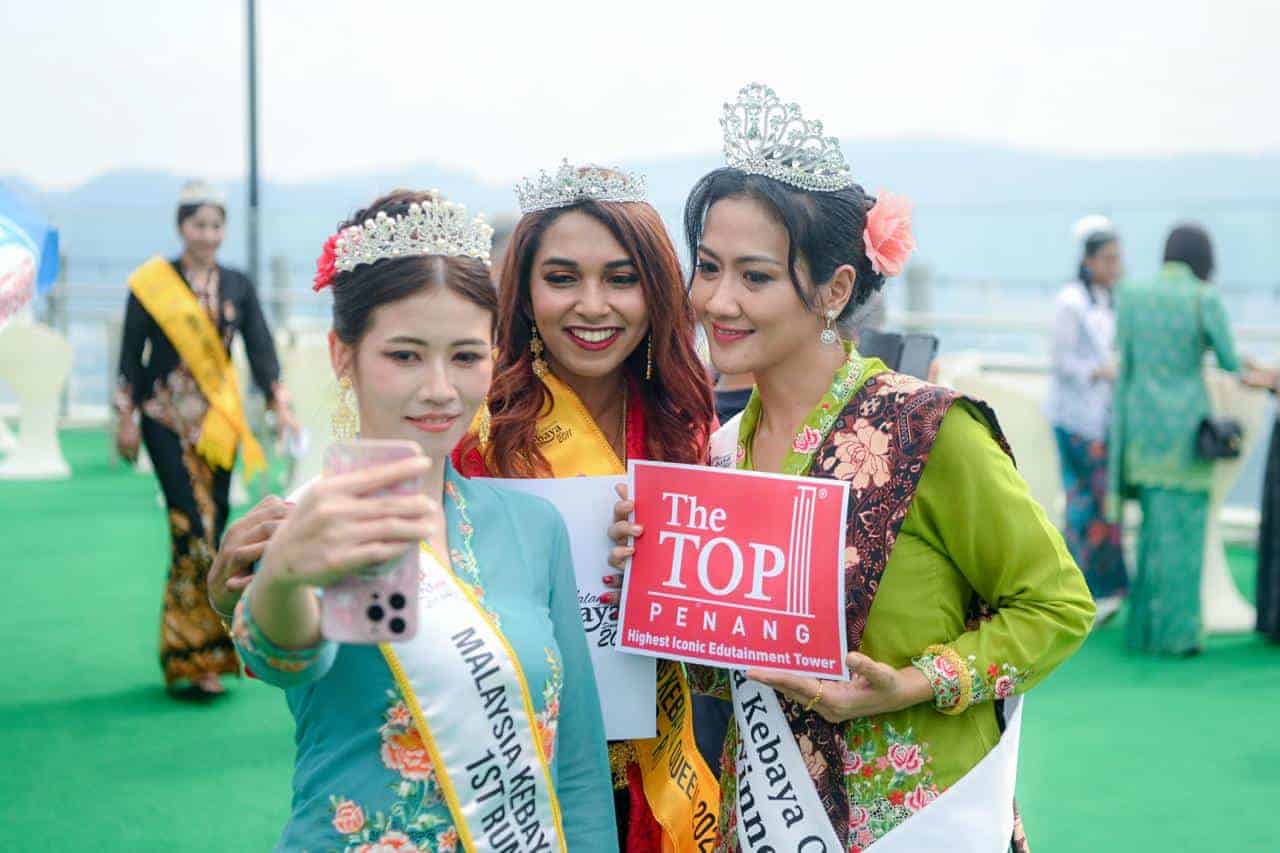

THE kebaya is a traditional garment deeply loved and cherished across Southeast Asia, but it represents far more than just a piece of clothing, says Penang Tourism and Creative Economy Committee chairman Wong Hon Wai.
Wong said the kebaya embodies generations of knowledge, craftsmanship, skills, traditions and cultural practices that have been passed down from one generation to another.
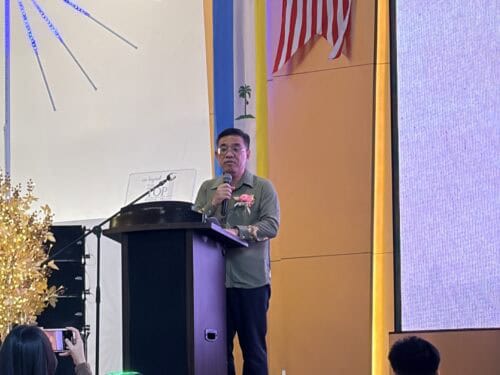
“On Dec 4, 2024, the kebaya was officially inscribed on UNESCO’s Representative List of the Intangible Cultural Heritage of Humanity.
“This prestigious recognition was achieved through a joint nomination by five Southeast Asian countries namely Malaysia, Brunei, Indonesia, Singapore and Thailand.
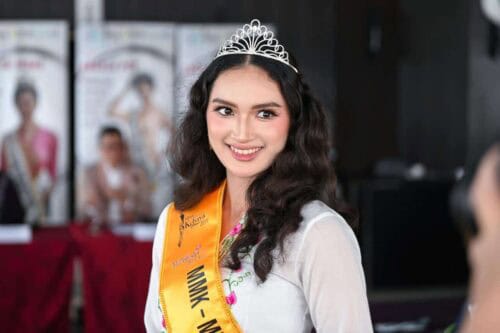
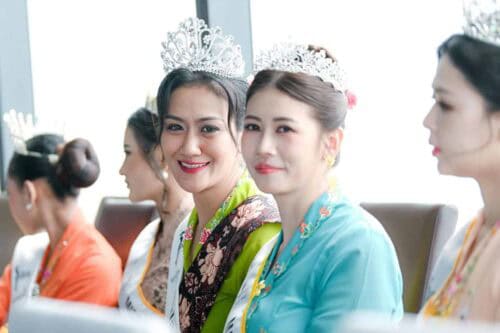
“The UNESCO recognition reminds us that cultural heritage can transcend national borders and bring communities together. Heritage does not divide us; heritage can bring us together,” he said in his speech at the Miss Penang Kebaya 2026 (Northern Region) Final Contest at The TOP Penang today.
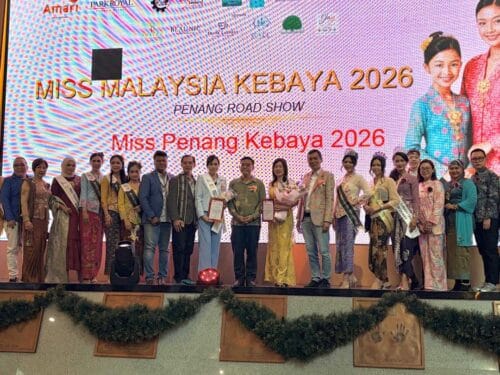
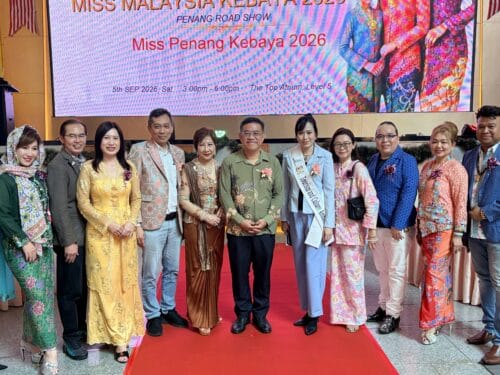
Also present was Penang Global Tourism (PGT) chief executive officer Ooi Chok Yan.
Wong said the kebaya holds a particularly meaningful place in Malaysia’s multicultural society, as it transcends race and cultural boundaries and has been embraced by communities across the country.
He added that the garment remains an important part of the cultural identity and sartorial tradition of Peranakan communities, particularly the Baba Nyonya.
“For Penang, this connection is especially significant. Penang is home to a rich and living Peranakan heritage, and the kebaya forms an important part of this cultural story.
“At the same time, the kebaya has evolved beyond any single community,” he said.
Wong also highlighted how the traditional garment has found its way into contemporary celebrations and public events, including Penang’s recent National Day Parade.
“My office also curated a parade team incorporating the kebaya element, showcasing the garment as part of the official parade.
“This demonstrates how the kebaya can be combined with other elements and presented in different forms and settings,” he said.
He said Malaysians from diverse ethnic and cultural backgrounds today proudly wear and appreciate the kebaya, reflecting its enduring appeal and ability to evolve with changing times.
“This is what makes the kebaya so special. It is rooted in tradition, but it continues to evolve with society.
“It belongs to our history, but it also belongs to our future. And this is exactly the spirit that we hope to bring forward through Miss Penang Kebaya 2026.
“Let us continue to celebrate the kebaya as a symbol of our shared heritage, our diversity and our Malaysian identity,” he concluded.
Story by Riadz Akmal