

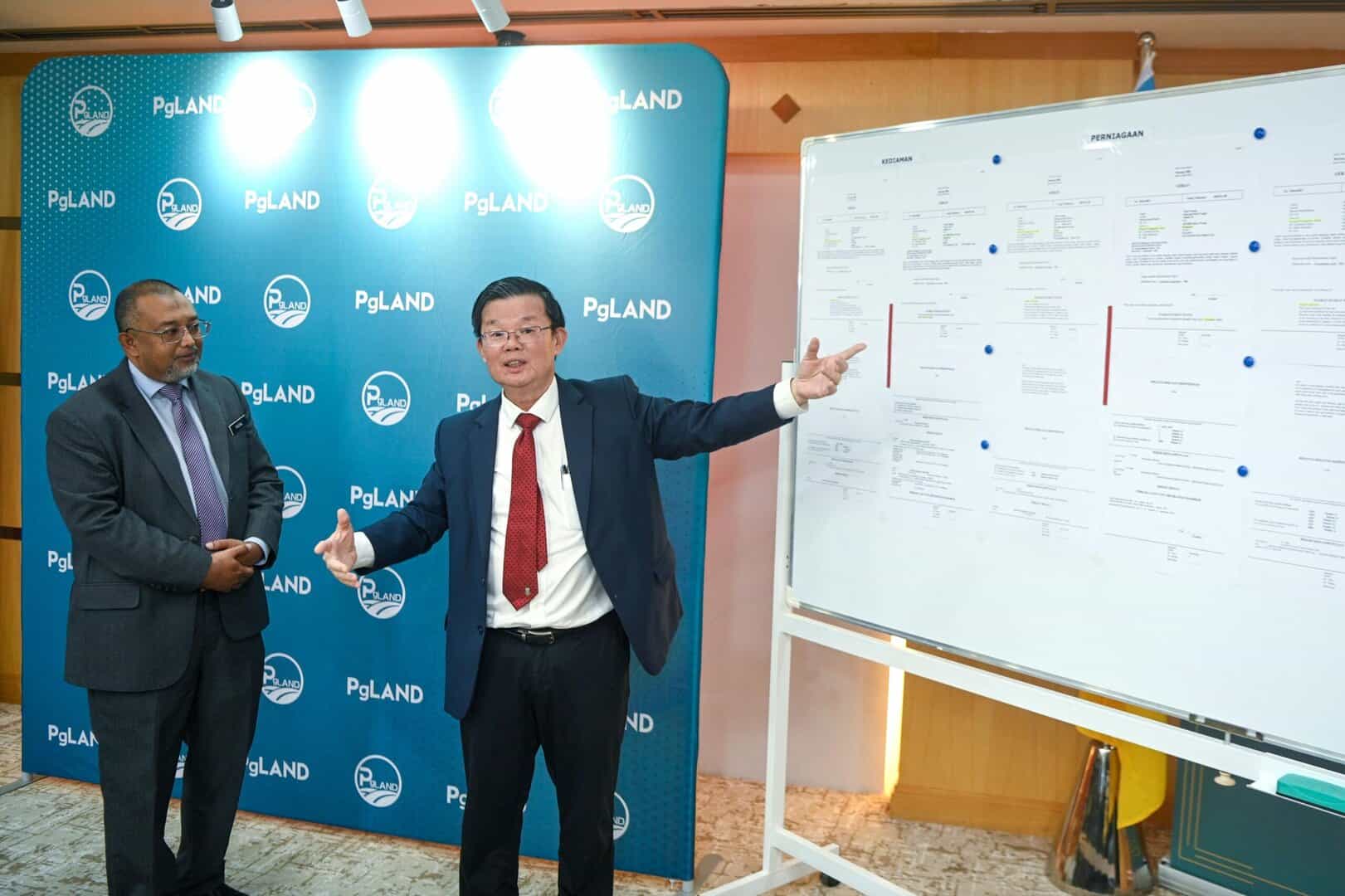

CHIEF Minister Chow Kon Yeow today clarified that the revised land tax (quit rent) rates, which have sparked public concern over steep increases in certain cases, are calculated based on four components — the land’s classification as urban or rural, its size, its current use and the applicable rate.
At a press conference at Komtar, Chow said landowners who are dissatisfied with the increase may submit an appeal to the Land Office.
“The bottom line is: come forward and appeal. Bring your documents. If you highlight your problem in the press, we won’t know. Don’t question the integrity of the officers. They act according to the law; the formulas are all gazetted. We will reassess, and if it is genuine and requires reclassification, it will be made,” he said.
Chow explained that rates for First Grade lands under Conditions A, B, C and those without category are determined according to the land’s existing use, and subsequently aligned with the category or use gazetted on Sept 11, 2025, under the Penang Land Rules (Amendment) (No. 4) 2025.
“For example, if the current use of the land is residential, the tax is calculated by multiplying the land area by the residential rate stipulated in the gazetted rules — RM0.70 per square metre for urban land and RM0.50 per square metre for rural land,” he said.
He also addressed claims that some landowners had seen their land tax increase by thousands of times, citing examples of payments rising from RM6 to RM19,400, or from RM745 to RM489,775.
“If there is a change in use at the site — for instance, from paddy cultivation at RM9.88 per hectare to industrial use at RM3.25 per square metre — the tax will naturally increase significantly,” he said.
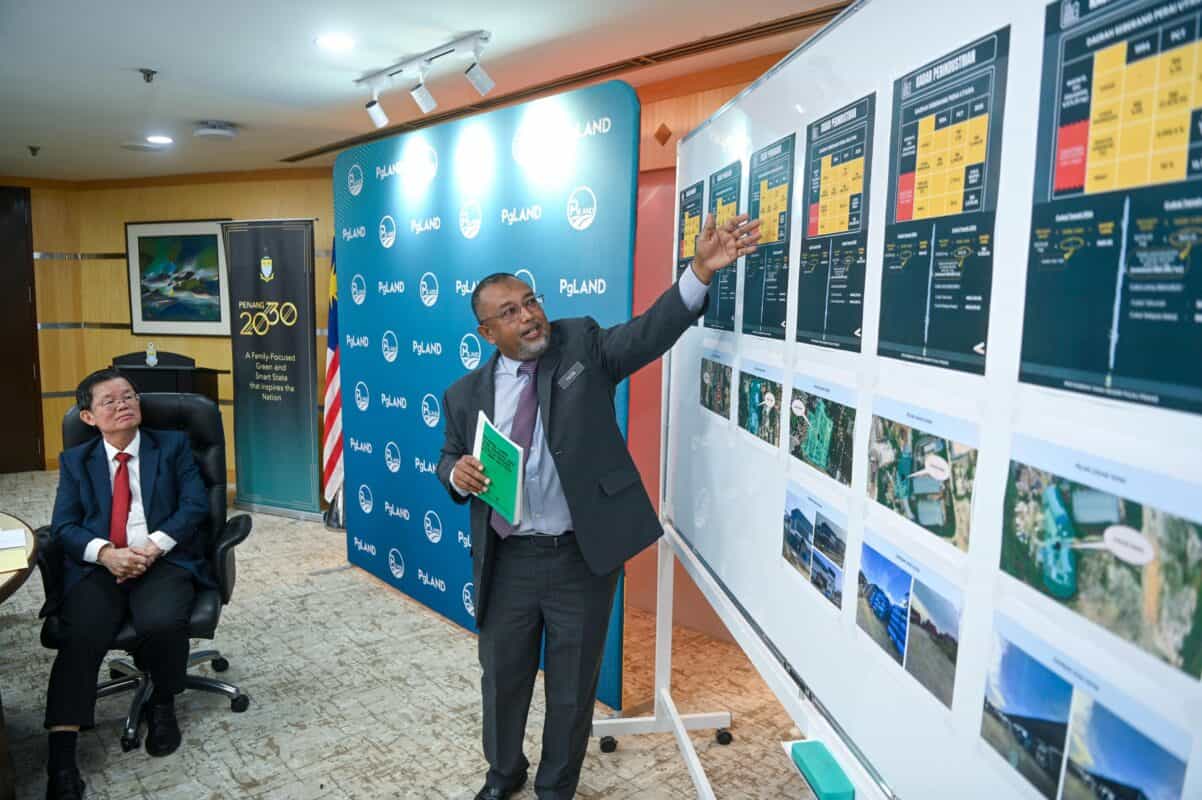
Chow gave an example of a five-hectare (50,000 square metres) parcel of land where the annual tax could rise from RM50 to RM162,500 following a change in land use.
He stressed that the revised formula under the 2026 land tax review is fairer and more equitable for all landowners in Penang, with no discrimination between First Grade and non-First Grade landowners. He noted that land tax rates in the state had not been reviewed for over 30 years.
Chow added that the revision would help narrow the gap between tax rates paid by urban and rural landowners, reflecting Penang’s rapid economic, social and infrastructure development.
“There is no area in the state that has been left behind in terms of development,” he said.
He also expressed regret over attempts by certain parties to sensationalise claims of drastic tax increases without understanding the actual land use situation and the basis of the calculation gazetted by the state government.
To ease the transition, Chow said the state government had introduced several measures, including rebates of up to 50 per cent, a full waiver of late payment penalties and more flexible grounds for appeal.
These measures apply to all landowners, including those with First Grade land and those affected by the reclassification of land from rural to urban, he added.
Meanwhile, Penang Land and Mines Office director Datuk Dr Faizal Kamarudin said only Penang and Melaka have First Grade lands.
“We have so far received 300 appeals, with about 100 involving First Grade lands. In total, fewer than one per cent of landowners have appealed. The last review of land taxes was carried out in 1994,” he said.
Also present were Pulau Tikus assemblyman Joshua Woo Sze Zeng and Chow’s political secretary Lau Keng Ee.
Story by K.H. Ong
Pix by Siew Chia En
Video by Noor Siti Nabilah Noorazis