

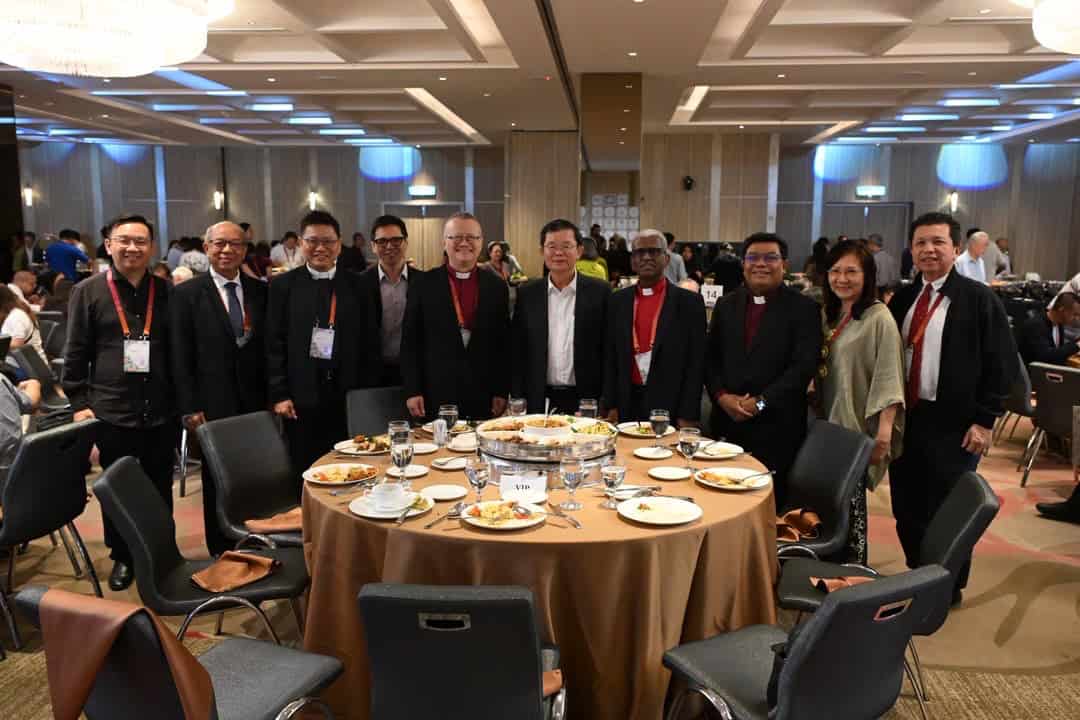

THE Penang government has reaffirmed its commitment to supporting mission schools and non-Islamic houses of worship, with an additional allocation of at least RM5 million set aside under the State Budget 2027 to strengthen their programmes and infrastructure.
Chief Minister Chow Kon Yeow said the state government had consistently provided annual financial assistance to mission schools since 2009, with a total of more than RM17.45 million channelled to these institutions between 2009 and 2025.
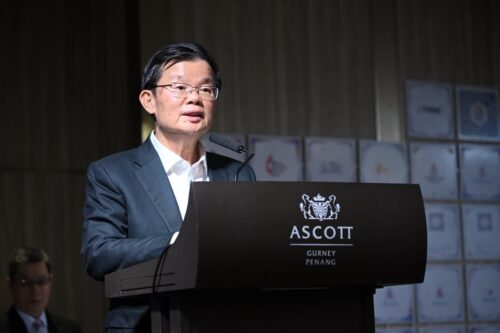
“This year, 16 mission schools received a combined allocation of RM845,000, which included funding for the installation of smartboards in classrooms to enhance teaching and learning,” said Chow.
He said the allocations were aimed not only at maintaining school facilities but also at ensuring safe and conducive learning environments while helping older school buildings keep pace with modern educational needs.
“The money pays for repairs that keep students and teachers safe, and it brings old classrooms up to date. A school built in another century can still prepare its students for this one,” he said.
Chow was speaking during the welcome dinner of the 51st Session of the Trinity Annual Conference at Ascott Gurney Penang in George Town this evening.
He also highlighted the state government’s continued support for non-Islamic houses of worship, including churches, temples and other religious institutions.
“Since 2016, the state government has approved 488 applications from non-Islamic houses of worship, involving a total allocation of RM18.59 million.
“Under Budget 2027, at least another RM5 million has been earmarked to support their programmes and infrastructure development,” he added.
Chow said such allocations went beyond maintaining physical buildings, as these institutions played an important role in nurturing communities and providing support to people from all walks of life.
He noted that schools and houses of worship served as important community spaces where children received education, congregations gathered safely, and volunteers carried out various welfare initiatives.
“These included organising tuition classes, visiting the elderly, providing family counselling and extending assistance to those facing difficulties,” said Chow.
He said such grassroots efforts reflected the essence of the Penang2030 vision, with community organisations and volunteers playing an important role in improving people’s lives through their everyday contributions.
Also present were Trinity Annual Conference president Rev Joshua Khong and Methodist Church in Malaysia bishop Rev Dr T. Jeyakumar.
Story by Riadz Akmal
Pix by Adleena Rahayu Ahmad Radzi