


Short-term rental operators in Penang can look forward to lower licensing costs and greater flexibility in managing their properties following amendments to the state’s Private Short-term Accommodation (Local Authorities of Penang) By-laws 2026.
Among the key changes is a 50% reduction in the annual licence fee for a private lodging unit with up to three rooms, from RM1,000 to RM500, as the state government moves to ease the financial burden on operators, particularly those running smaller-scale accommodation businesses.
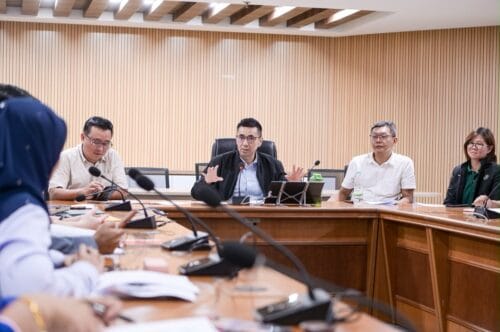
Penang Local Government and Town & Country Planning Committee chairman Jason H’ng Mooi Lye announced the changes during a press conference at Komtar today, outlining four key amendments aimed at refining the regulatory framework for private short-term accommodation in the state.
“Operators will now pay RM500 annually for each Tempat Penginapan Persendirian (TIP) unit, with an additional RM200 per year for each extra room.
“A maximum of two additional rooms is permitted under this fee arrangement,” he said.
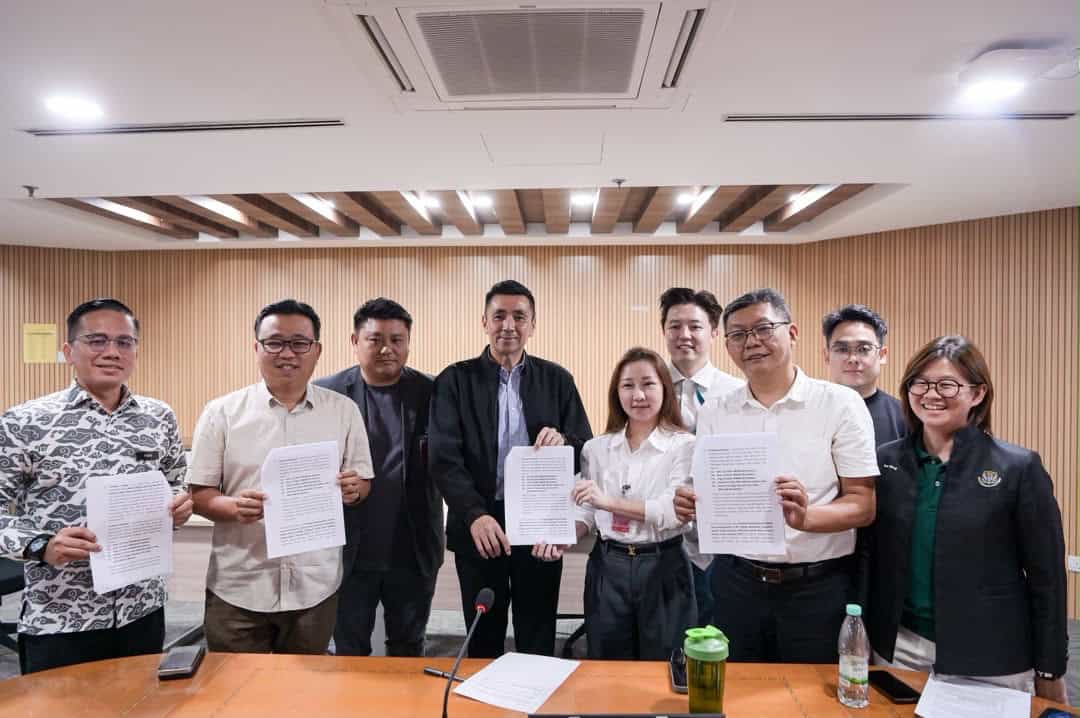
Also present were Penang Island City Council (MBPP) councillor Tan Soo Siang, Komtar assemblyman Teh Lai Heng and Air Itam assemblyman Joseph Ng Soon Siang.
H’ng said the amendments cover four main areas namely the licensing fee for TIP units, the maximum number of rooms permitted, the definition of private lodging and the overall Fi TIP fee structure.
He said the maximum number of rooms permitted at each private lodging premises has been increased from five to 10, subject to conditions imposed by the respective local authorities.
The revision, he added, would give eligible operators greater flexibility in managing larger properties while ensuring their businesses continued to operate within the prescribed regulatory framework.
“Another key change involves the Fi TIP fee structure, which has been revised from the previous flat annual rate of RM1,800 per unit to a tiered system based on the number of rooms.
“Under the revised structure, premises with one room will be charged RM400 annually, while two-room units will pay RM600 and three-room properties RM800.
“Four-room premises will incur an annual fee of RM1,000, while properties with five to 10 rooms will remain subject to the maximum annual fee of RM1,800,” he said.
H’ng said the revised Fi TIP structure would provide smaller-scale operators with more affordable rates, while maintaining the existing maximum fee for larger properties.
“The amendments also introduce an updated definition of “private lodging” to establish a clearer distinction between TIP premises and conventional hotels, taking into account their nature, actual use and mode of operation,” he said.
H’ng said the clarification was necessary to prevent commercial hotel operators from reclassifying or rebranding their businesses as private lodgings to take advantage of the more flexible TIP provisions and circumvent the licensing standards applicable to hotels.
He added that the amendments were formulated following extensive feedback and proposals from accommodation operators, industry associations and non-governmental organisations after the initial by-laws were introduced.
The Penang State Executive Council approved and confirmed the amendments on Oct 19, and the revised provisions are currently undergoing the official gazettement process.
A grace period is in effect until Jan 1 to give affected parties sufficient time to familiarise themselves with the revised requirements and make the necessary adjustments to their operations.
However, H’ng cautioned that operators who fail to comply with the applicable licensing regulations could face serious consequences, including compounds of up to RM1,000, imprisonment for up to one year and the potential seizure of their premises by the local authorities.
He urged all private lodging operators to ensure their licences remained valid and that their businesses complied fully with the prevailing regulations.
Story by Riadz Akmal
Pix by Noor Siti Nabilah Noorazis