

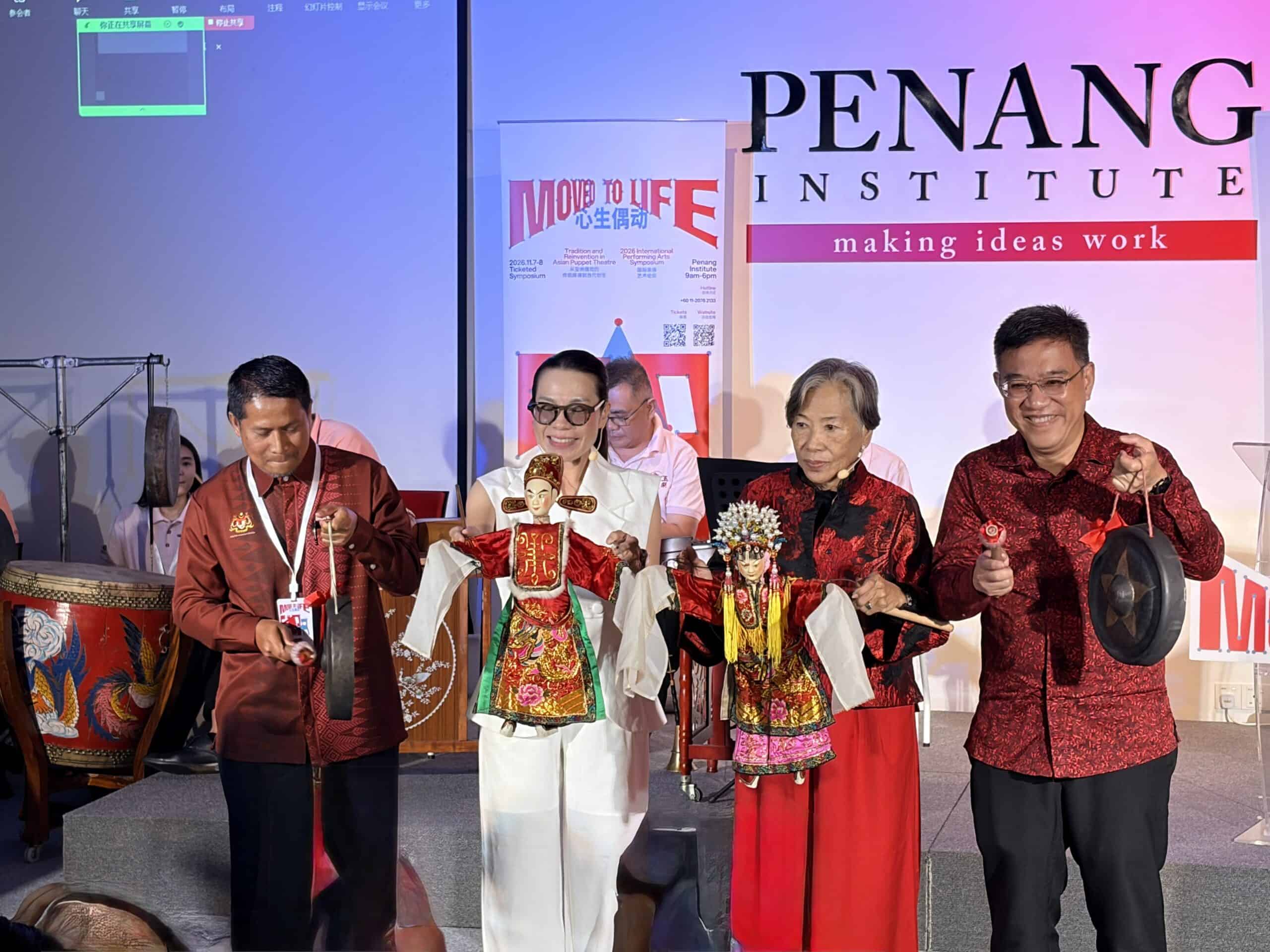

PENANG remains the only place in Malaysia where the traditional art of Teochew iron-rod puppetry is still practised, highlighting the state’s unique role in safeguarding this centuries-old cultural heritage.
Penang Tourism and Creative Economy Committee chairman Wong Hon Wai said the traditional art form, brought from Chaozhou, China, by earlier generations, had since taken root in Malaysia and become an integral part of the state’s cultural landscape.
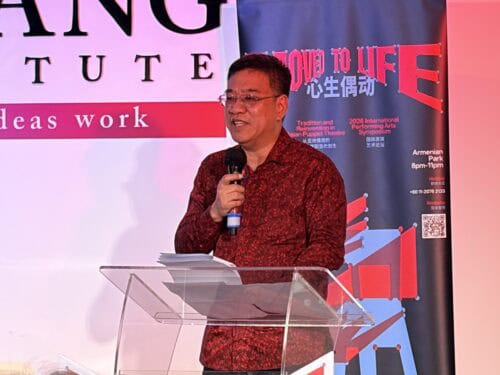
He said Teochew iron-rod puppetry held a special place in Penang’s cultural identity, particularly through its presence at temple festivities, community celebrations and traditional folk events.
“Over the years, these performances have served a purpose beyond entertainment. They have brought communities together, preserved cultural memories and provided a living connection between generations,” he said.
Wong was speaking before officiating the opening ceremony of the ‘Moved to Life’ International Performing Arts Symposium & Puppetry Spectacular 2026 at Penang Institute in Pulau Tikus today.
He noted that, like many traditional performing arts, Teochew iron-rod puppetry was facing significant challenges, including a dwindling pool of experienced practitioners and the need to encourage younger generations to learn and master the craft.
He said traditional performances also needed to find ways to remain relevant and appeal to contemporary audiences without compromising their cultural identity.
“Safeguarding this heritage therefore requires more than preserving the puppets, documenting performances or keeping historical records.
“It requires people who are willing to learn the craft, master its techniques, share their knowledge and carry the tradition forward,” he said.
Wong said this made the symposium particularly meaningful, as it provided a platform to explore how traditional performing arts could be preserved while embracing new ideas and creative approaches.
“Under the theme ‘Moved to Life: Tradition and Reinvention in Asian Puppet Theatre’, the symposium highlights how traditional art forms are not static, but continue to evolve through the skills of their practitioners, the creativity of performances and their engagement with audiences,” said Wong.
He said the programme brought together four forms of puppetry practised in Malaysia, while also providing an opportunity for Teochew iron-rod puppetry practitioners from China, Hong Kong, Singapore and Malaysia to meet, exchange experiences and share their knowledge.
“By bringing these traditions together, we can better understand their shared origins, appreciate their individual development and explore how they can continue to evolve without losing their cultural essence,” he said.
Wong also commended the Teochew Puppet and Opera House for its continued dedication to preserving and promoting Teochew puppetry.
He said its efforts demonstrated how cultural organisations could serve as bridges between tradition and contemporary society, connecting experienced masters with younger practitioners while bringing local heritage to international audiences.
Also present were Department of National Heritage director-general Mohamad Muda Bahadin, Penang Island City Council (MBPP) councillor Koay Gaik Kee, Teochew Puppet & Opera House artistic advisor Madam Toh Ai Hwa and its artistic director Ling Goh.
Story by Riadz Akmal