


THE Penang government has unveiled a comprehensive STEM Talent Blueprint aimed at positioning the state as a leading hub for science and technology talent, with plans to double student enrolment in STEM and expand the skilled workforce pipeline for high-value industries.
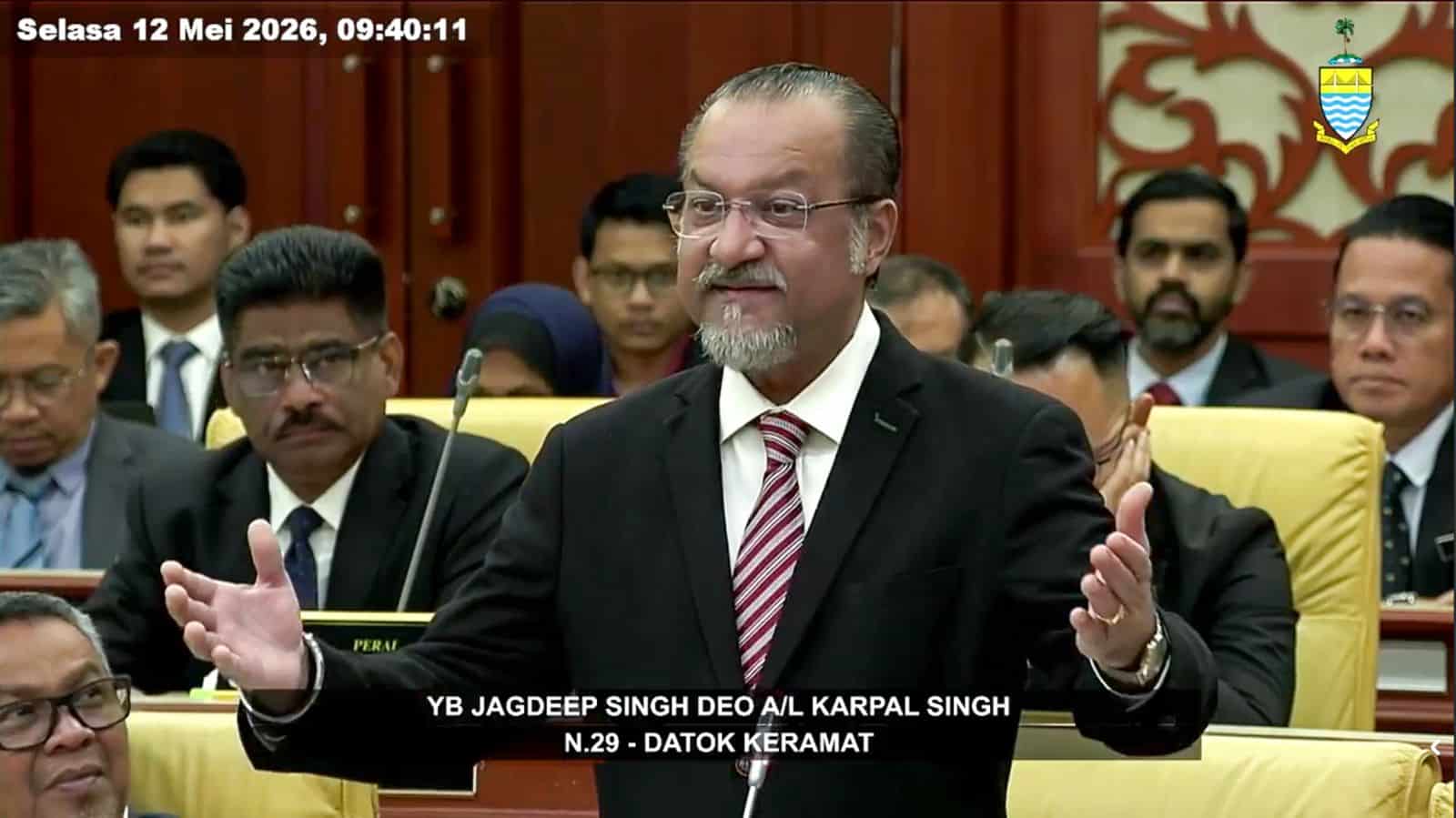
Deputy Chief Minister II Jagdeep Singh Deo (PH-Datok Keramat) said the initiative, implemented through agencies such as the Penang Science Cluster, Tech Dome Penang and Penang STEM 4.0, has already reached more than 303,000 participants between 2023 and 2025 through various programmes.
“The Penang government, through its STEM ecosystem, plays a key role as the main driver in building a sustainable talent pipeline,” he said replying to an oral question posed by A.Kumaresan (PH-Batu Uban).
He said the newly launched Penang STEM Talent Blueprint serves as a long-term roadmap to ensure sufficient skilled talent supply to support the state’s ambition of remaining a top destination for high-technology investment.
“The master plan aims to build a highly skilled and sustainable STEM workforce for long-term success in an ever-evolving industrial and technological landscape,” he said.
Jagdeep added the blueprint aligns with the Penang2030 vision and the Penang SEED 2023–2028 framework, which focuses on strengthening the state’s economic ecosystem through talent development and industrial upgrading.
He said the strategy begins at school level by igniting interest in STEM among primary students, embedding applied learning in secondary education, and immersing students in real-world industry exposure.
“At the same time, we are embracing lifelong learning through upskilling and reskilling, while enabling talent attraction and retention through supportive policies,” he added.
The plan also adopts the THRIVE framework, which focuses on transforming education, hiring and retaining talent, investing in skills development, optimising value creation through technology, and strengthening governance.
Among its key performance indicators, Jagdeep said the state aims to double STEM enrolment at secondary and tertiary levels, increase female participation, double STEM graduates, expand TVET output, and attract both local and foreign talent.
“We are also looking at improving net positive migration and providing housing support to facilitate talent mobility,” he said.
Story by Edmund Lee