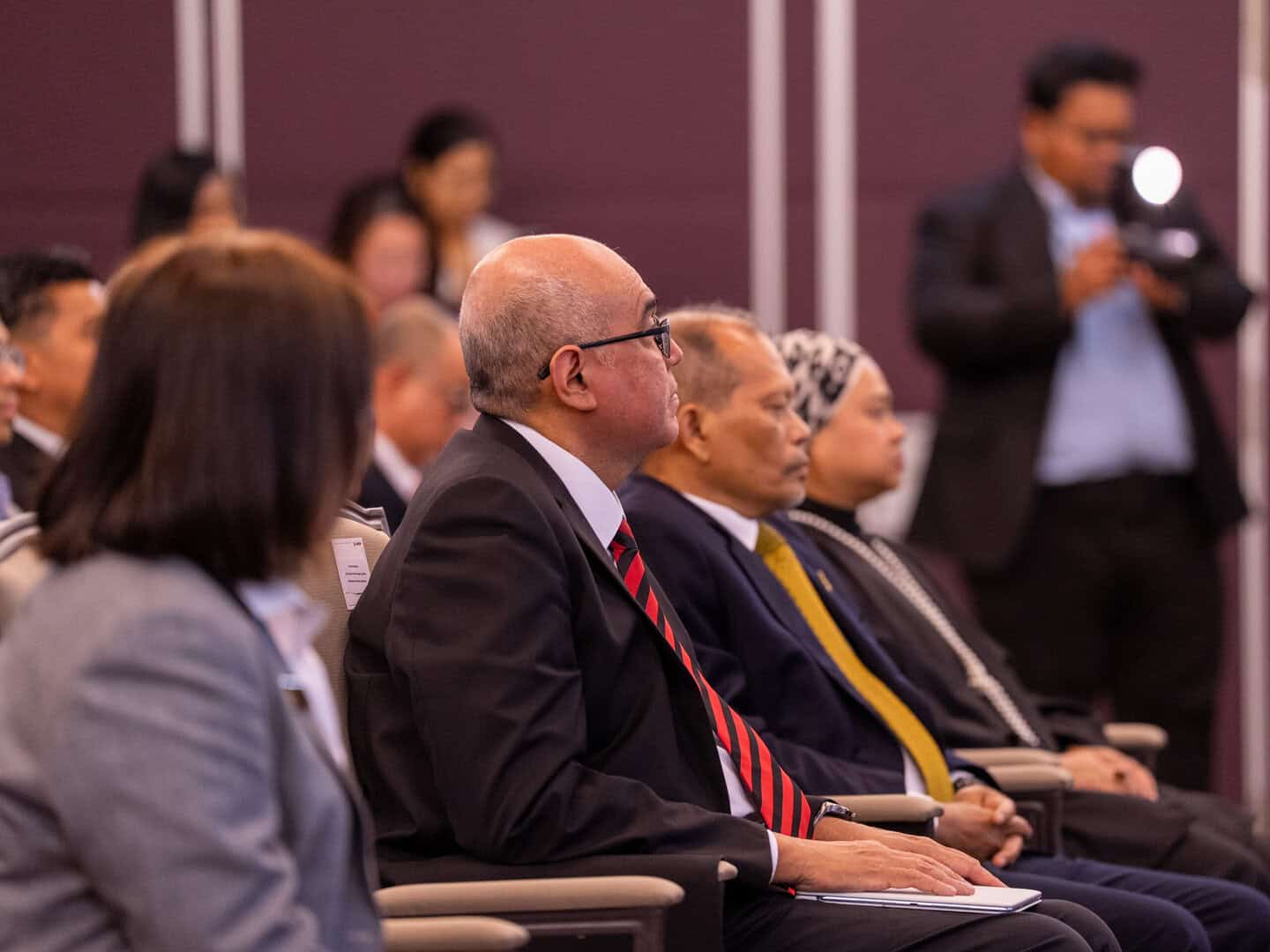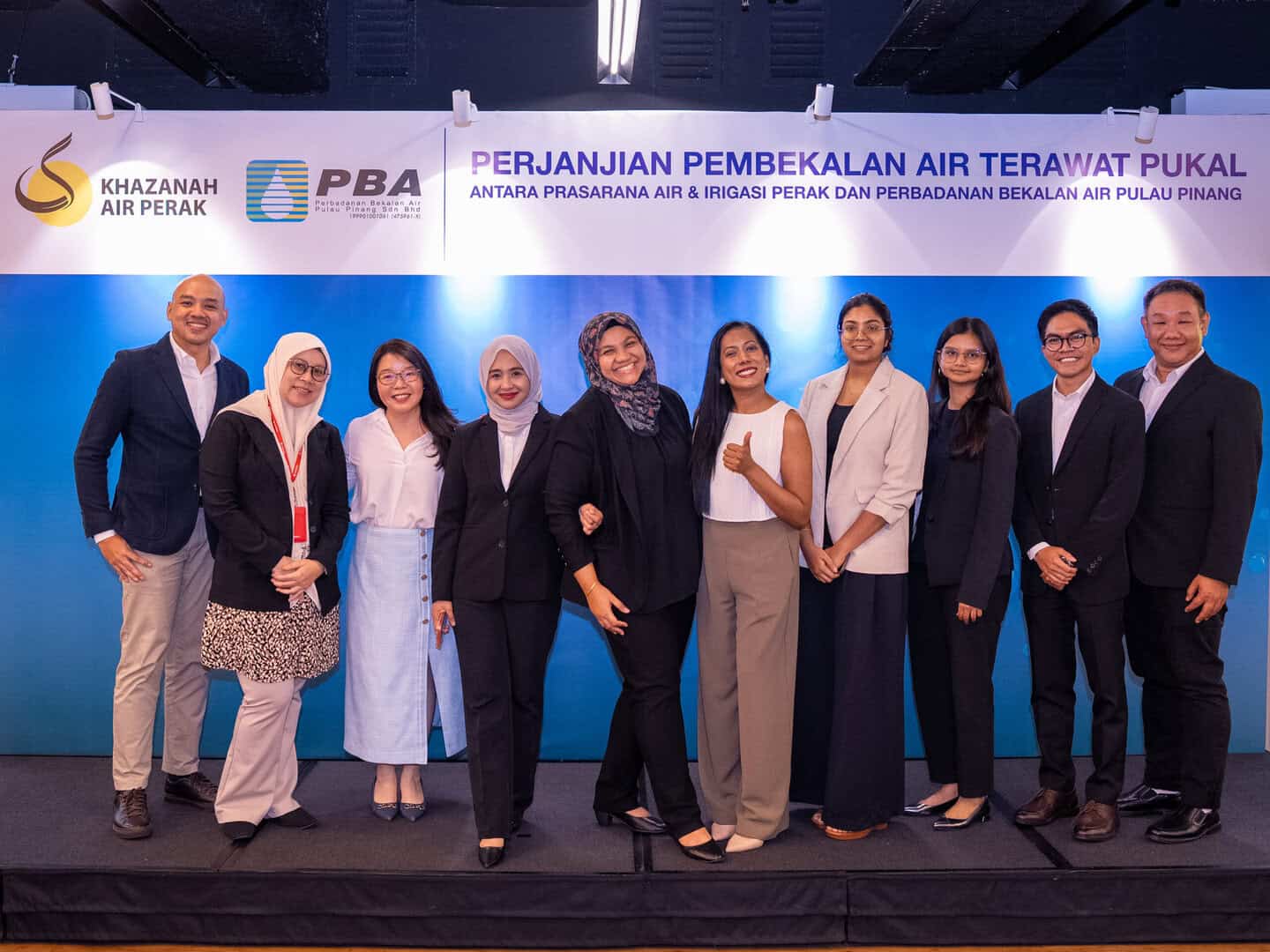

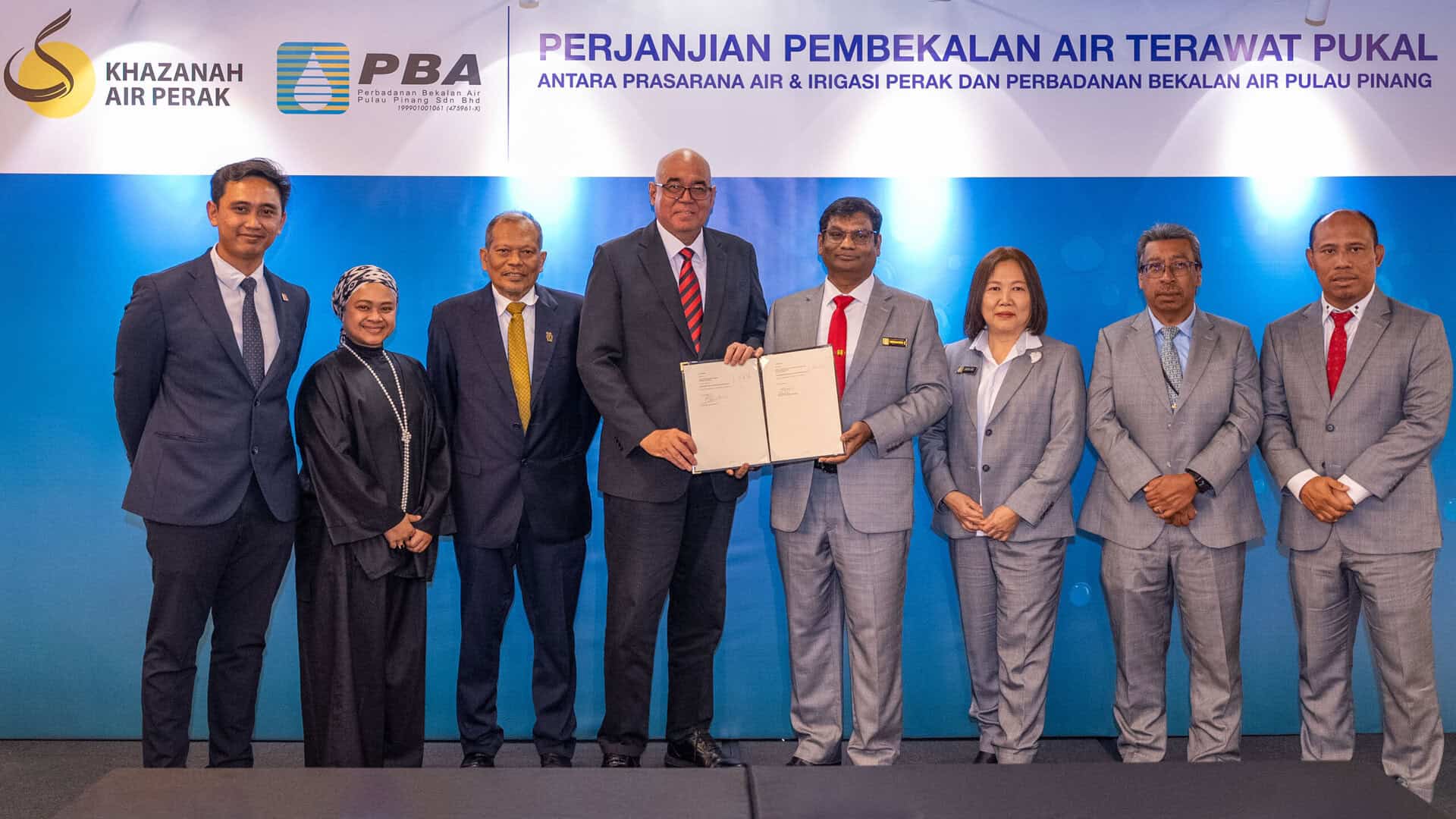

PENANG has signed a conditional Bulk Water Supply Agreement (BWSA) with a Perak water concessionaire to secure treated water supply for the state over a 40-year period from 2032 to 2072.
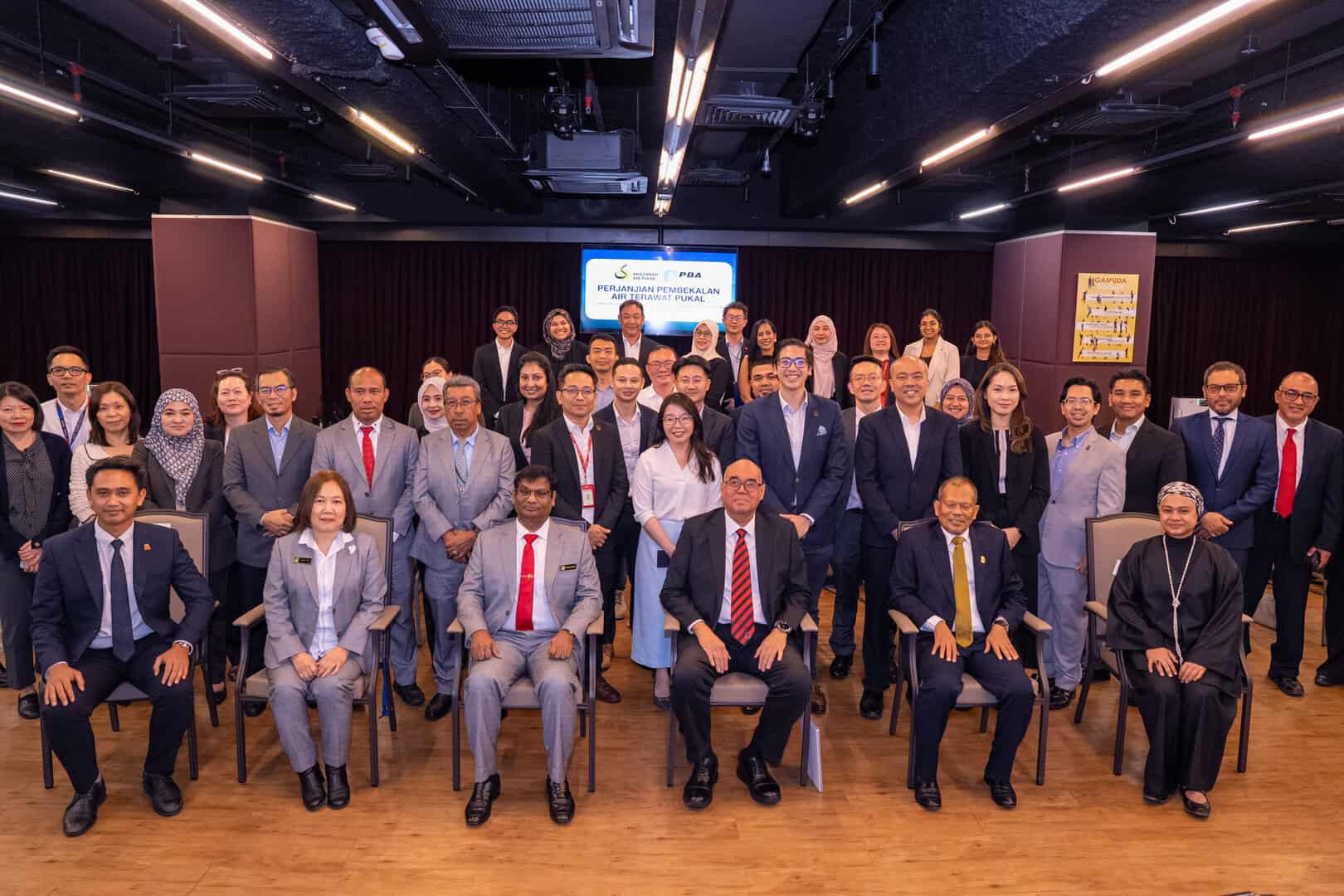
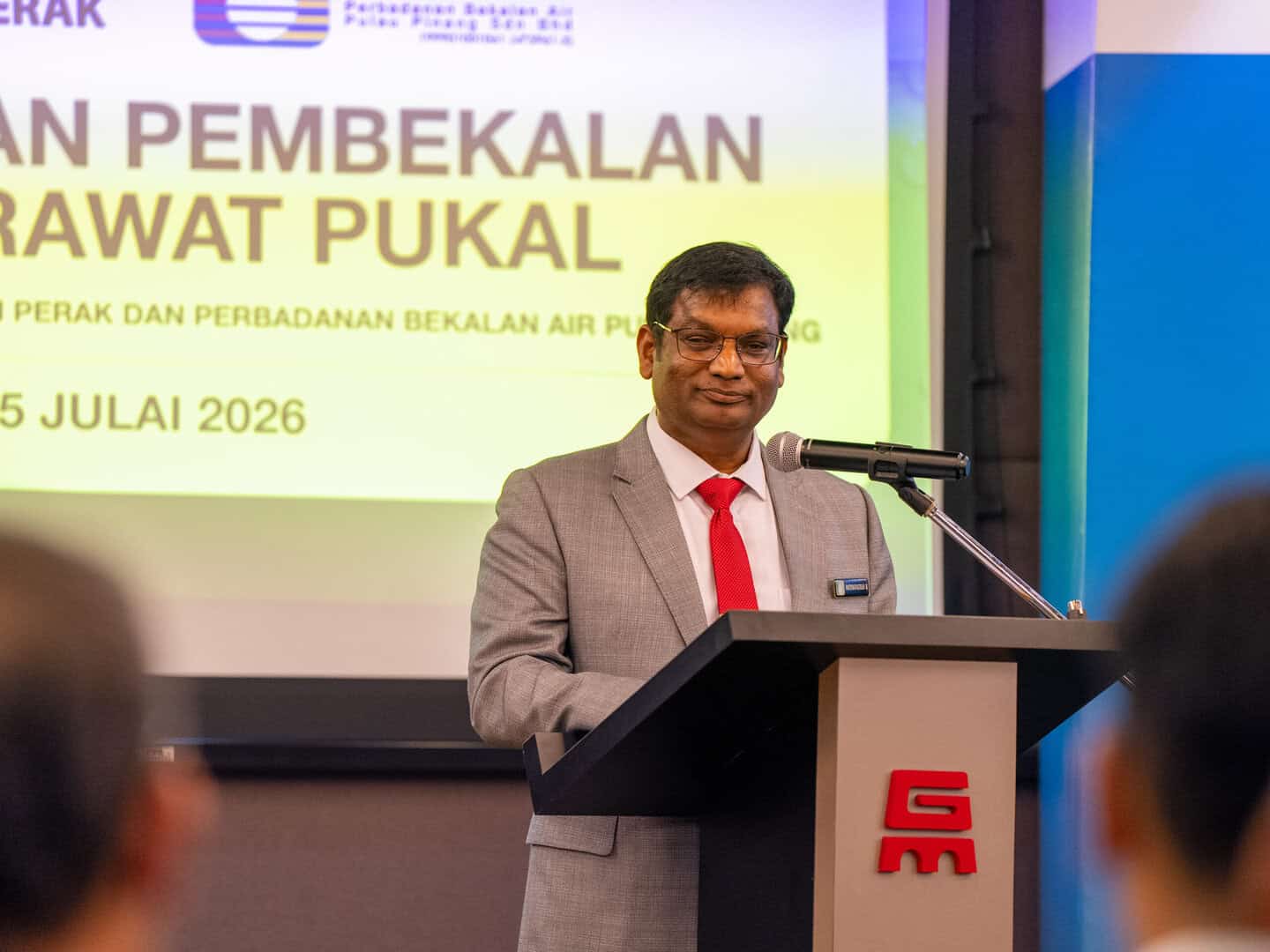
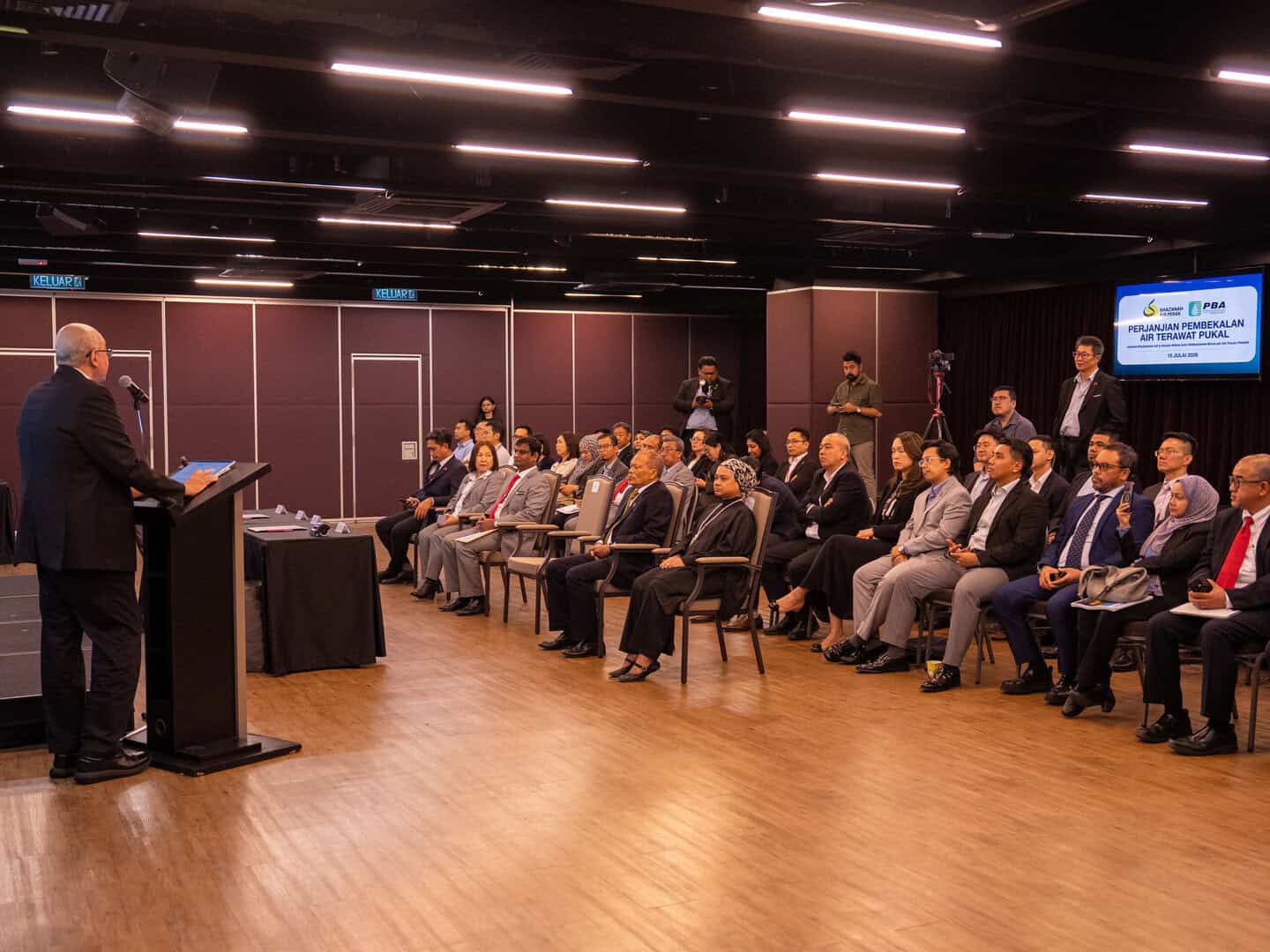
The agreement, signed today between Penang Water Supply Corporation (PBAPP) and Prasarana Air dan Irigasi Perak Sdn Bhd (PAIP Perak), marks a major milestone under the Perak-Penang Water Project (P-PWP), aimed at ensuring long-term water supply security for Penang.
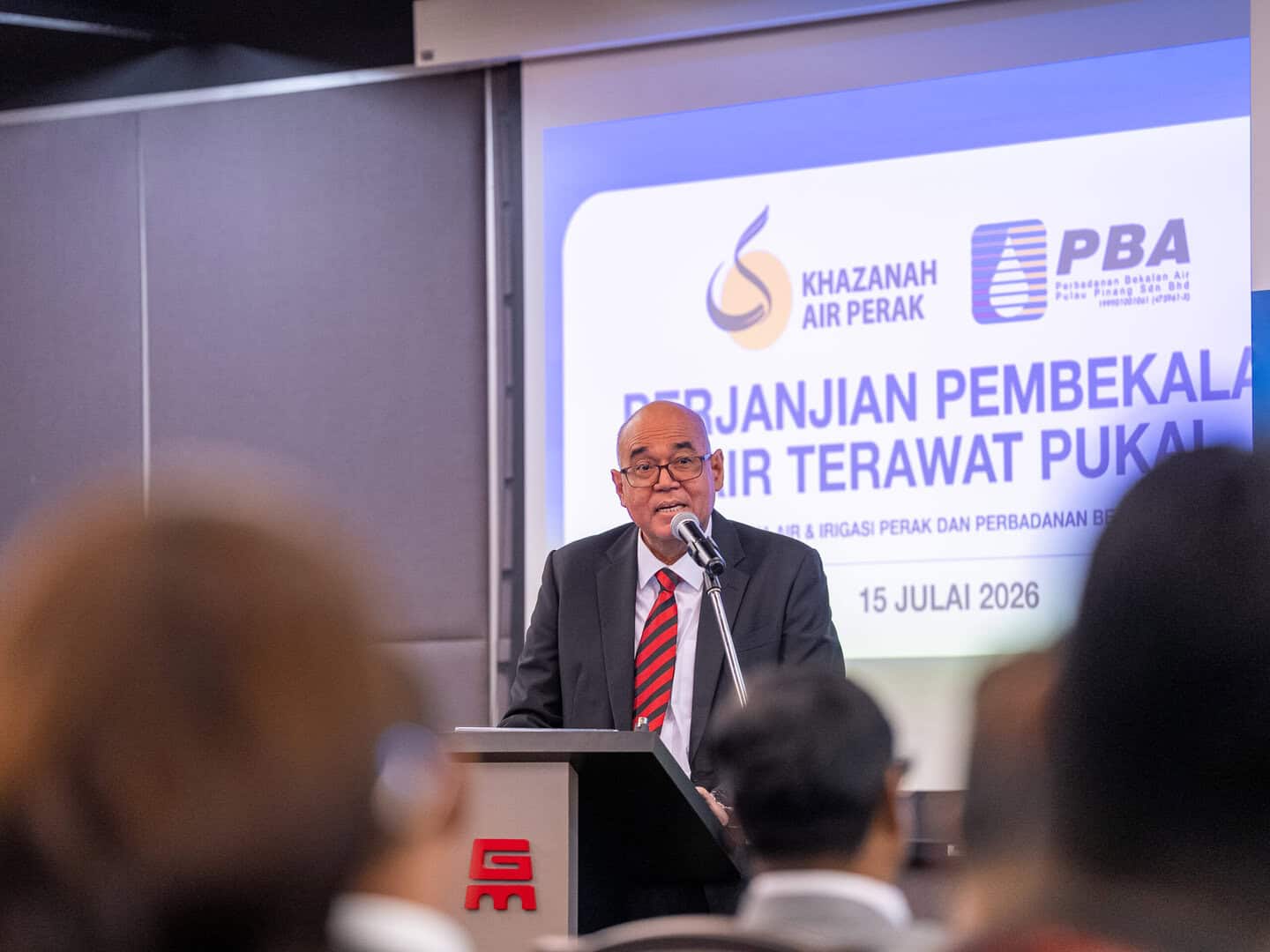
Penang Chief Minister and PBAPP chairman Chow Kon Yeow described the agreement as the state’s first major 21st-century water agreement and said it was the most significant water agreement since the commissioning of the Muda River Water Scheme in 1973.
“The P-PWP agreement allows Penang to tap a second major water resource for the future. It is a historic step in ensuring water supply sufficiency and security for Penang in the 2030s and beyond,” he said in a statement today.
However, the execution of the agreement is subject to regulatory approval and endorsement from the National Water Services Commission (SPAN), as well as approval from PBA Holdings Bhd (PBAHB) shareholders.
Chow said Penang needs to secure additional water resources as the state has no major in-state raw water resources left to tap for the 2030s.
He said Penang’s water consumption reached 865 million litres per day (MLD) in 2025 and is projected to increase to 1,162 MLD or more by 2032, driven by factory expansions and property developments already in the pipeline.
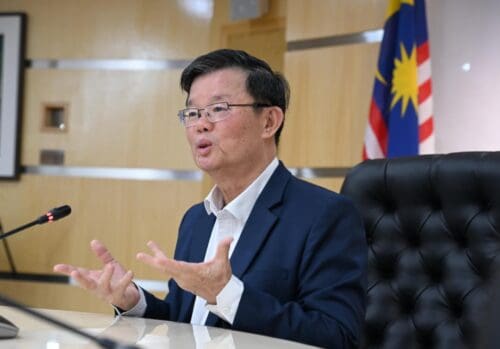
“Penang is a dynamic state of progress. Future population growth and socioeconomic advancement will require more water supply, and these developments must be supported by sufficient and reliable water resources to benefit the community,” he said.
Under the P-PWP, Perak has agreed to supply between 300 MLD and 500 MLD of treated water to Penang.
To facilitate the supply, a new 500 MLD water treatment plant, supported by pumping stations, treated water reservoirs, major pipelines and other infrastructure, will be developed, operated and managed in Perak.
The dedicated infrastructure in Perak is estimated to cost RM8.4 billion.
Chow said PBAPP will not need to invest any capital expenditure (CAPEX) for the development of the infrastructure, as the costs will be borne by PAIP Perak, a newly incorporated Perak State Government-linked company.
“PBAPP will also not incur any raw water fees or land acquisition costs, and will not have to bear operational expenditure (OPEX) for personnel, operation, maintenance or management of the P-PWP infrastructure in Perak,” he said.
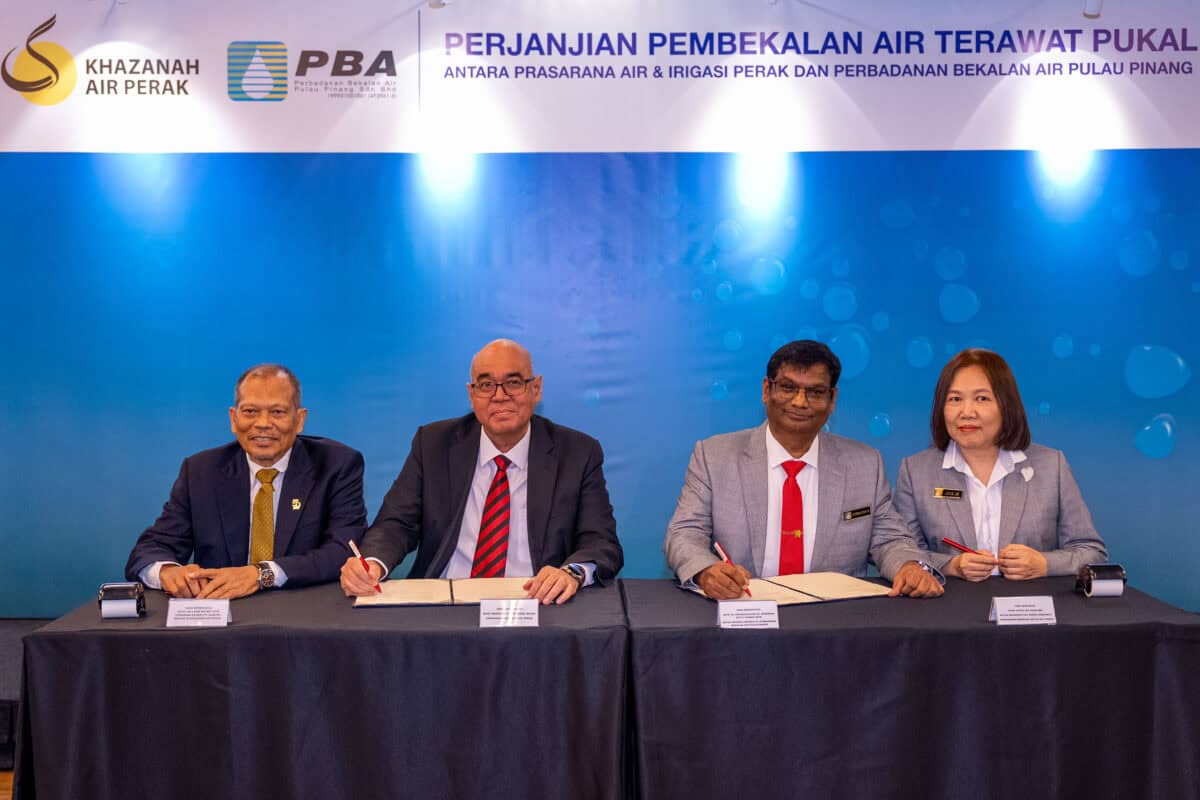
The agreement will see PBAPP paying an annual capacity charge of RM210 million to PAIP Perak to gradually amortise and justify the investment in building, operating and maintaining the infrastructure.
PBAPP will also pay a treated water charge of RM1.70 per cubic metre (1,000 litres), subject to review every three years. Under the agreement, PBAPP’s minimum water purchase commitment will be 300 MLD when supply begins in 2032, with the option to increase the quantity by giving PAIP Perak six months’ notice.
The treated water charge includes raw water fees, treatment costs such as energy, fuel, chemicals and manpower, as well as costs to pump 300 MLD to 500 MLD of treated water from North Perak to Seberang Perai Selatan (SPS), Penang.
Chow stressed that the P-PWP will not replace Sungai Muda in Seberang Perai Utara (SPU) as Penang’s primary raw water source.
Instead, he said the additional treated water supply will mainly support growth in SPS and Seberang Perai Tengah (SPT), where demand is expected to increase due to population and socioeconomic development.
He said the project will also strengthen Penang’s resilience against climate change and the El Niño phenomenon.
“With the P-PWP, Penang will have two major water resources instead of relying solely on Sungai Muda, which is a shared resource with Kedah,” he said.
“Buying treated water from Perak may not be as cheap as producing treated water in Penang, but there is no cheaper option. Perak can tap Sungai Perak for the P-PWP. Penang does not have another in-state conventional raw water resource that can support the production of 300-500 MLD of treated water,” he said.
Story by K.H. Ong
Pix by Gamuda Berhad