

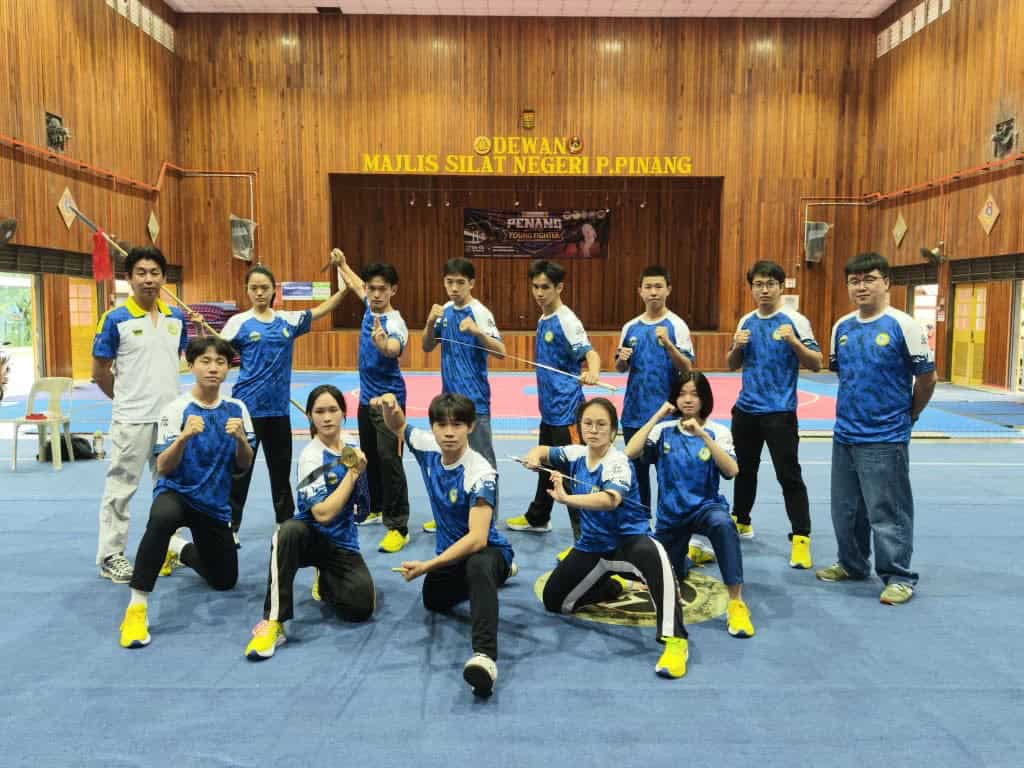

FRESH from a strong showing at the recently concluded 2026 Malaysia Games (Sukma) in Selangor, the Penang wushu squad is already looking ahead with developing young and emerging talents now firmly at the top of its agenda.
Penang wushu team manager Khor Hun Chong said the team achieved its target of four gold, seven silver and three bronze medals at the Games, but the focus has now shifted towards building a new generation capable of carrying the state’s challenge at future editions of Sukma.
He said this was particularly important in the Taolu (routines) category, where about 80 per cent of the current athletes would no longer be eligible to compete at the next Sukma due to age restrictions.
“Our planning now is to bring in more back-up athletes and young talents. In the Taolu category, about 80 per cent of our athletes will retire from Sukma competition because of age.
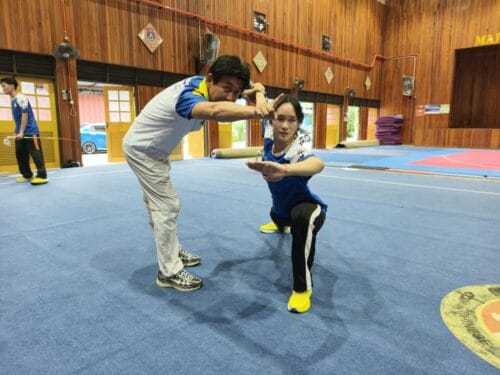
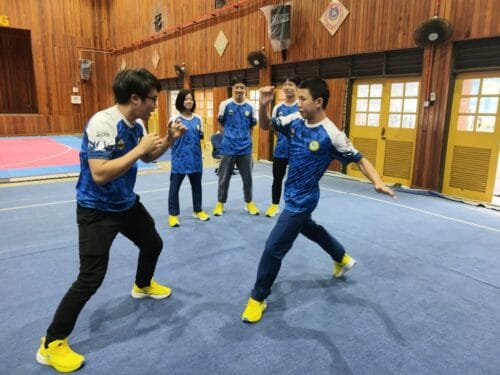
“So, our main focus now is on the back-up athletes and young talents. At the same time, those who are still eligible for the next Sukma will continue training, and we will push them to their limits to see what they can achieve,” he said.
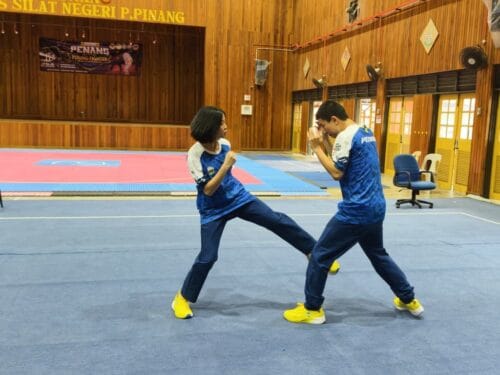
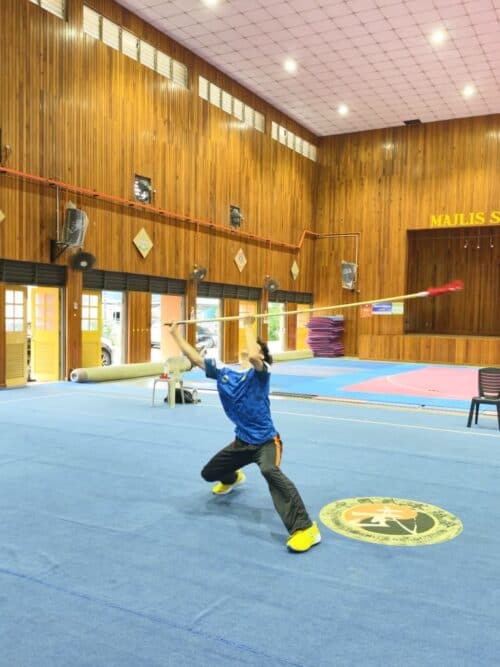
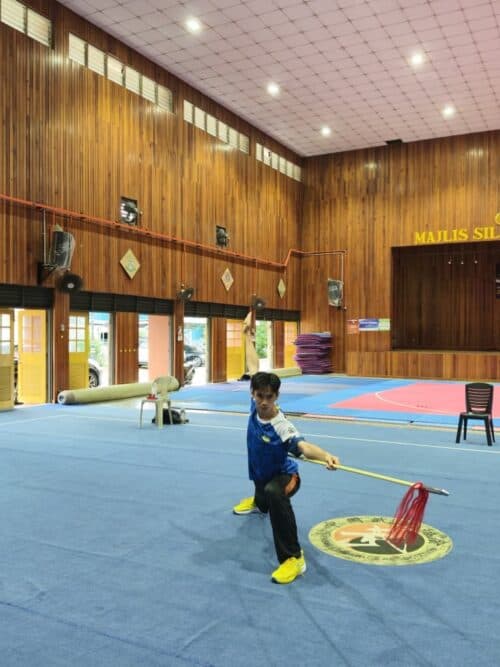
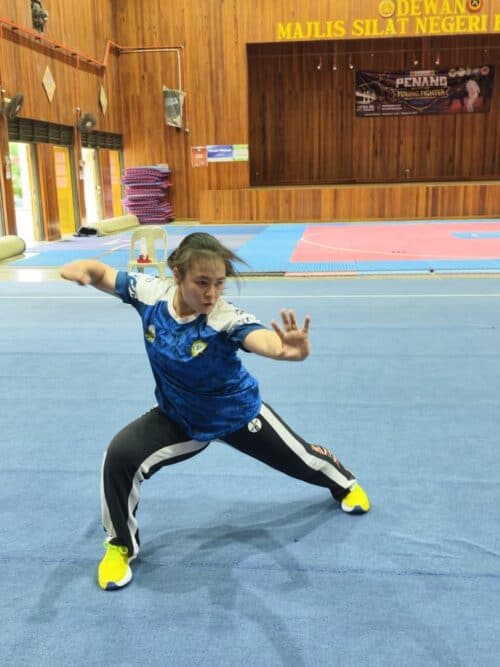
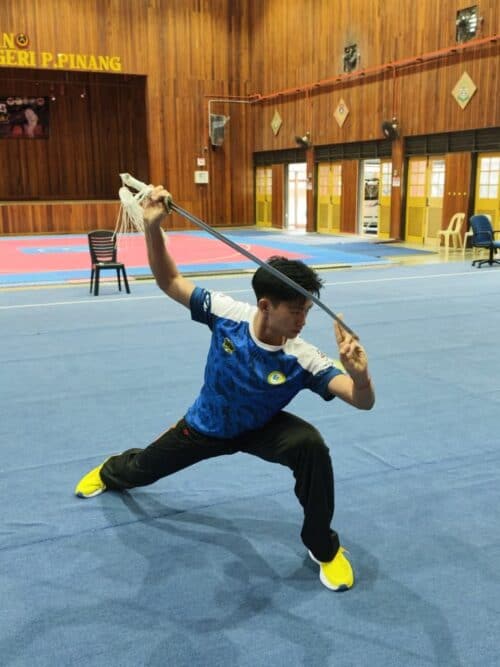
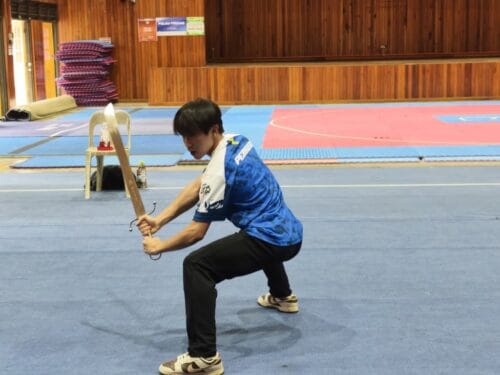
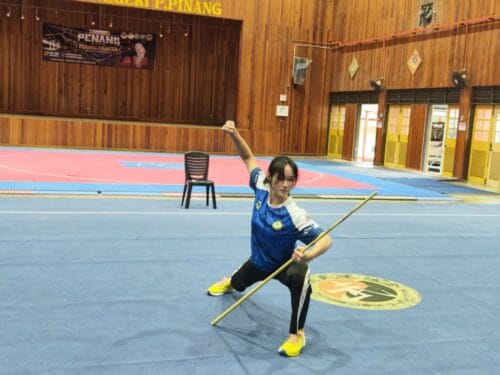
Khor said Penang already had a well-established talent identification pathway through the various wushu associations in the state, making recruitment of promising young athletes a continuous process.
He explained that promising talents are often identified through the annual Penang State Wushu Championship, which serves as an important platform for coaches to assess and select potential athletes.
“Every year, we organise the state wushu championship, and that is where we select talents. We already have many wushu associations in Penang, so the recruitment process is already on track,” he said.
According to Khor, the situation is more encouraging in the Sanda (free-fighting) category, as all of Penang’s current athletes remain eligible to compete at the next Sukma.
Nevertheless, he stressed that developing a strong pool of young athletes remains crucial to ensure continuity for both Taolu and Sanda.
He said physical fitness, body coordination and attitude were among the most important qualities needed to develop a successful wushu athlete.
“For both Taolu and Sanda, fitness is very important. Coordination of the body is also essential, while the attitude of the trainee is perhaps the most important quality of all.
“An athlete can have talent, but without the right attitude and commitment to training, it will be difficult for them to progress,” he said.
For newcomers, Khor believes wushu should not be viewed as an overly difficult sport to learn.
He said beginners could start with the fundamentals before gradually progressing to more challenging techniques and movements through consistent training.
“For beginners, it is actually not that difficult. Eventually, they will enter a more difficult phase, but with proper training and time, they can do it.
“They just need time to develop,” he said.
Khor also emphasised that anyone with an interest in wushu could take up the sport, regardless of their starting level.
“If you like wushu and feel that you want to learn wushu, you can join. Basically, if you have the interest, you can start,” he said.
He added that Penang already had a sizeable pool of young athletes undergoing development, with around 50 athletes currently part of the state’s back-up squad.
“We recruit every year in preparation for the next Sukma and national championships. At the moment, we have around 50 athletes in our back-up squad.
“We train almost every night, and we also start developing new talents from primary school age,” he said.
Meanwhile, Penang wushu coach for the Sanda category, Chua Chian Yong, expressed satisfaction with the performance of the state’s Sanda athletes at Sukma 2026.
Chua said the squad had set its sights on winning one gold medal and successfully achieved that target, while also contributing several silver and bronze medals to Penang’s overall haul.
“I am very satisfied with our performance. Our target was one gold medal, and we managed to achieve it at this Sukma, along with several silver and bronze medals,” he said.
Looking ahead, Chua said his priority was to widen participation in Sanda and encourage more young people to take up the discipline.
He acknowledged that some newcomers might be hesitant because Sanda is a contact sport, but believes greater exposure and proper coaching could change that perception.
“For Sanda, I think we need more people to join. More people should take part in Sanda.
“Some people may look at Sanda and think that it is dangerous because it is a contact sport. But if we can get more pupils and students to join, we can train them to become stronger and better athletes,” he said.
Story by Riadz Akmal
Pix by Eng Kok Wei