

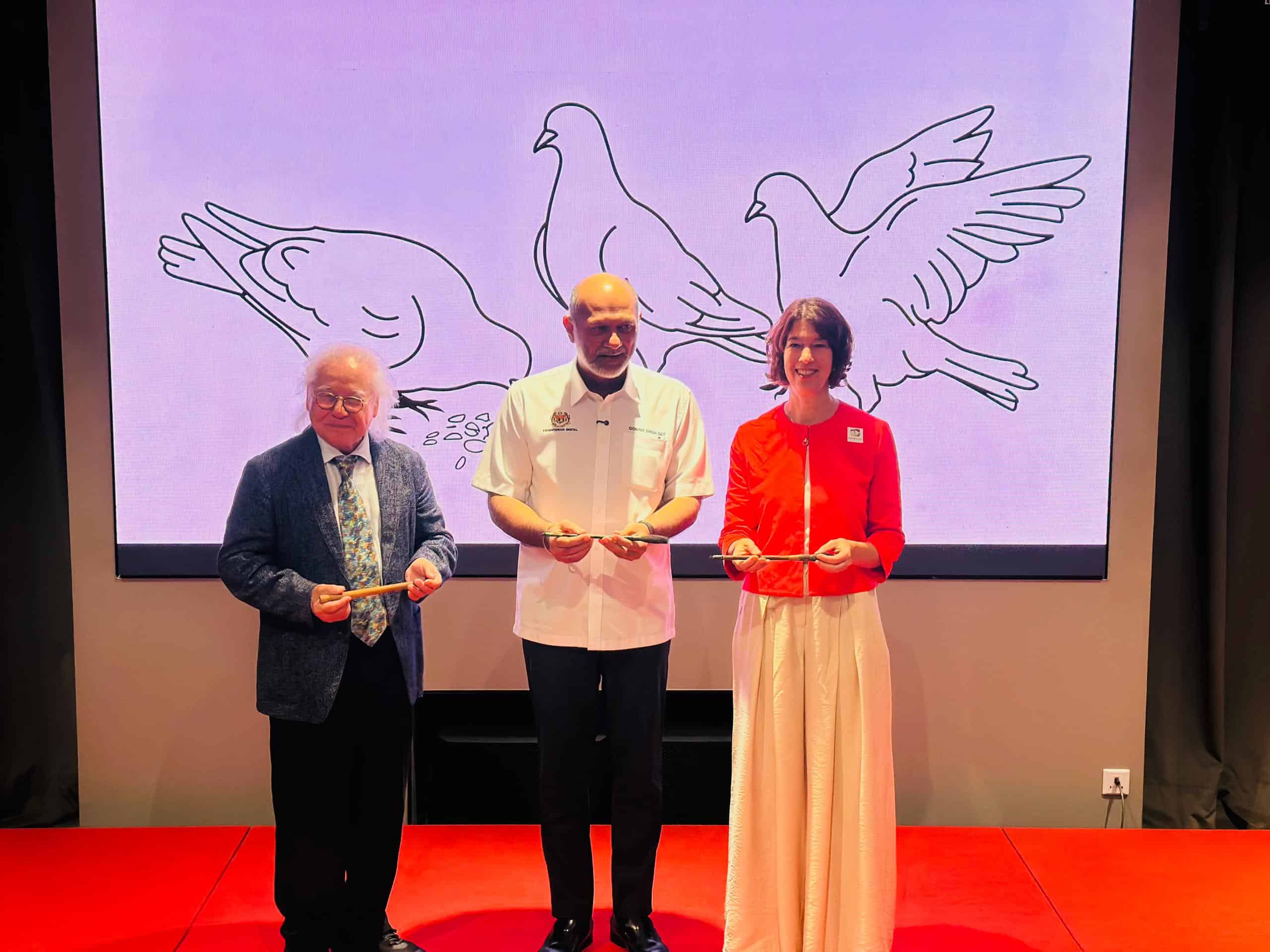

ART and photography can serve as powerful reminders of the human cost of war, while encouraging society to reflect on the importance of peace and collective responsibility.
Digital Minister Gobind Singh Deo said exhibitions such as Scars of War matter because they remind people that war is not simply about borders, military strategies, or geopolitics, but about ordinary people who bear its deepest consequences.
“This is the reason why an exhibition such as this matters, because it reminds us that war is not simply about borders, military strategies, or geopolitics. Ultimately, war is about people, and it is often ordinary people who carry its deepest consequences,” he said.
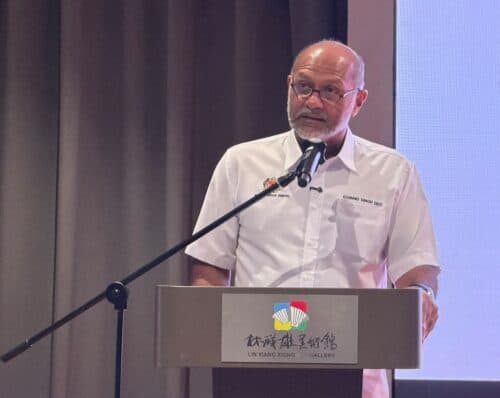
Gobind was speaking at the launch of the international photography and art exhibition at the Lin Xiang Xiong Art Gallery here, which will end on Nov 10. For details about the admission fee, kindly visit this link: Lin Xiang Xiong Art Gallery | Online Ticketing System
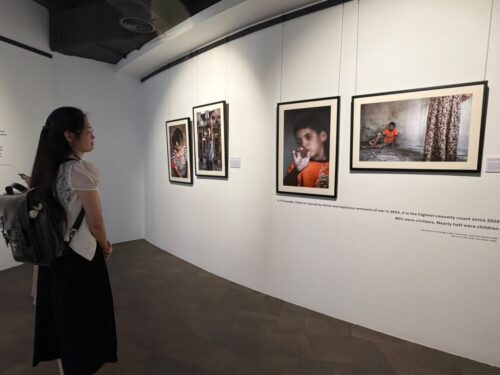
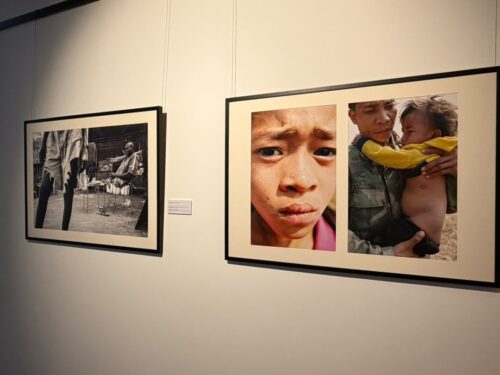
The exhibition features documentary photographs and paintings depicting the impact of war, including the devastating effects of landmines and unexploded weapons.
Gobind also highlighted the growing challenge posed by technology, particularly deepfakes, fabricated videos and cloned voices.
“Technology is capable of creating images which often do not tell the truth. Every day, we see new content generated. In the world of today, we have, for example, deepfakes, fabricated content in the form of videos, and even cloned voices, which are circulated to deceive and to defame,” he said.
He warned that false information could be created within minutes and reach millions of people, causing damage to reputations and livelihoods.
“An untruth can be created in minutes, and it reaches millions, and it creates damage, or causes damage, which impacts reputations that have been built over lifetimes,” he said.
According to Gobind, while such attacks may leave no physical scars, the emotional and social consequences could remain long after the content had disappeared.
“The humiliation is, therefore, real. The fear is likewise real, and the damage can remain long after the content disappears,” he said.
Gobind also stressed the potential of technology to amplify the exhibition’s message and reach wider audiences beyond the gallery.
“Our responsibility is not just to help technology grow, but to protect people as it grows,” he said, adding that the government was strengthening efforts in artificial intelligence (AI) safety, risk governance and emerging technologies.
International Campaign to Ban Landmines-Cluster Munition Coalition (ICBL-CMC) director Tamar Gabelnick said the exhibition highlighted the devastating and long-lasting impact of landmines and cluster munitions.
“A mine laid in a war decades ago will still maim a child walking to school today, just as it hurt a soldier years ago,” she said.
She also said more than 60 countries continued to deal with landmine contamination, with many still suffering the consequences decades after their conflicts had ended.
Gabelnick also highlighted Laos, where millions of unexploded cluster munitions remain from the wars of the 1970s.
“These so-called bomblets are a daily fact of life that they’ve just learned to live with,” she said.
Meanwhile, gallery founder Professor Lin Xiang Xiong said Scars of War was intended to encourage people to reflect on war, humanity and peace.
“A war may end, but its suffering does not end with it. Landmines can remain underground for many years. They continue to kill people, including innocent people, long time after fighting ends,” he said.
Professor Lin said artists had a responsibility to speak out against war and promote peace, justice and humanity.
“Our strength may be small; we are artists. We cannot stop a war by ourselves, but we still have the responsibility to speak. One person’s strength may be small, but when more and more people gather together, then maybe strength can grow,” he said.
Quoting the Chinese saying “Dripping water can wear through stone”, he said persistent efforts could eventually create meaningful change.
“As long as we continue, our small effort can become a greater force. Let us work together for a more peaceful world and a better future for humanity,” he said.
The exhibition brings together art and documentary photography to highlight the human cost of armed conflict while urging visitors to reflect on the collective responsibility to protect human life and build a more peaceful world.
Story and pix by Kevin Vimal