

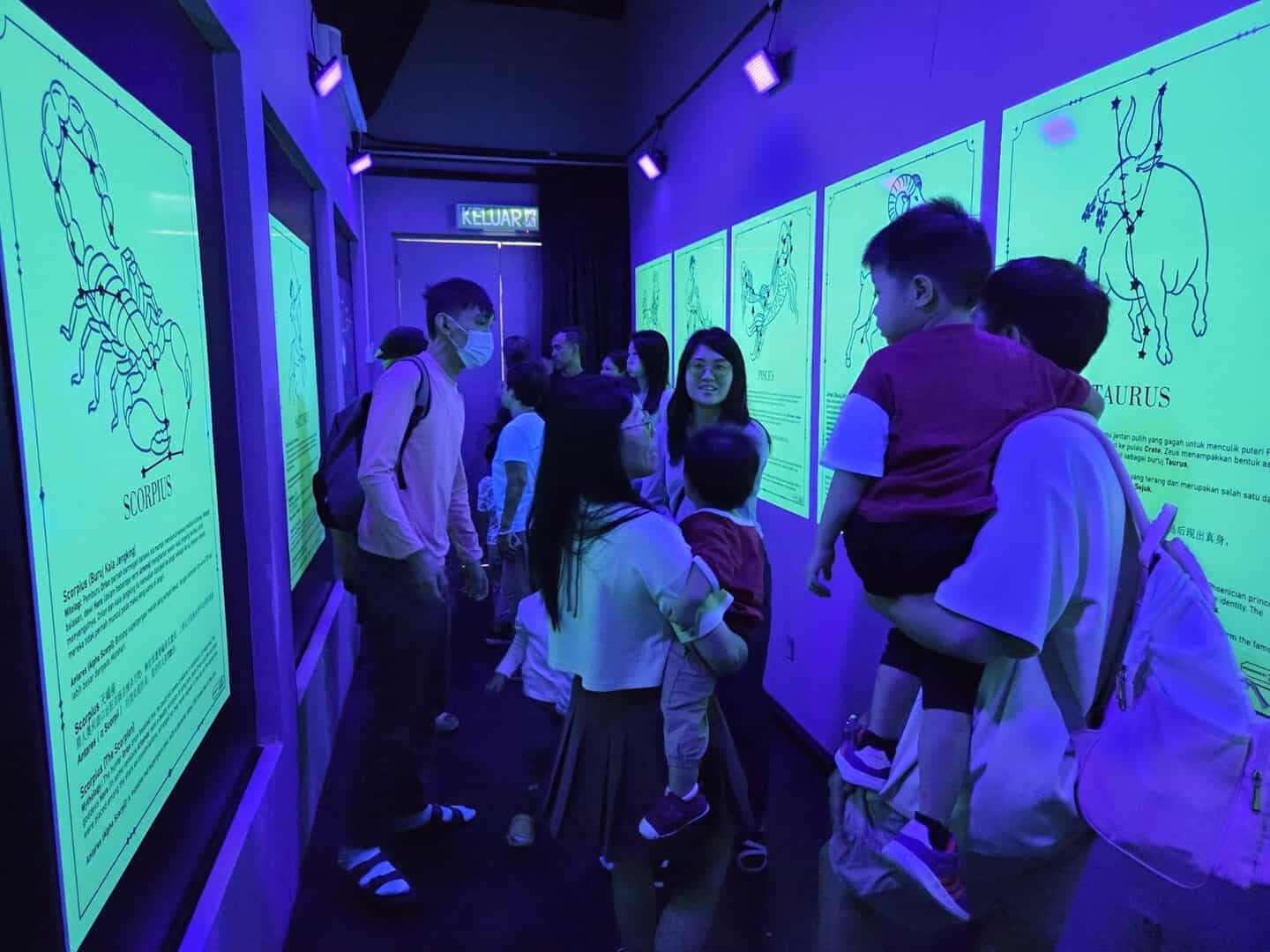

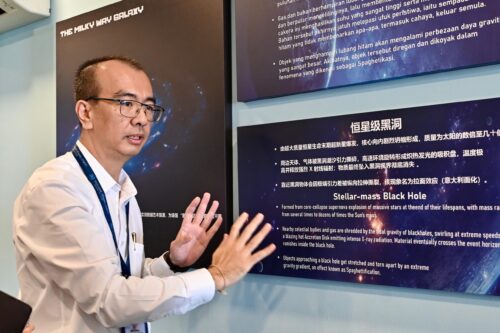
TECH Dome Penang has launched its new Space Gallery, developed in collaboration with the Shanghai Science and Technology Museum (SSTM) and the Shanghai Astronomy Museum, to spark greater interest in astronomy and space science among young folk.
Tech Dome chief executive officer Khoo Boo Wooi said the initiative stemmed from a partnership forged through the Asia Pacific Science and Technology Centre Network (ASPAC), where Tech Dome and SSTM discovered complementary strengths in science education and exhibition development.
“We first met the Shanghai Science and Technology Museum through ASPAC. They are very strong in developing exhibitions, while Tech Dome is known for our workshops and educational programmes,” he told Buletin Mutiara today.
Khoo said the gallery occupies a refurbished space within Tech Dome that previously faced maintenance issues, including water leakage during the Covid-19 pandemic period.
Following discussions with their counterparts in Shanghai, both parties agreed to focus on astronomy and space science, areas that remain relatively unfamiliar to many members of the public.
“We wanted to create a space that is both educational and engaging. Astronomy is a subject that many people know a little about, but not necessarily in depth. We felt there was room to help visitors better understand these topics,” he said.
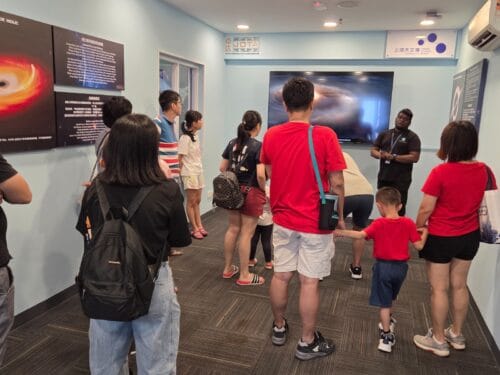
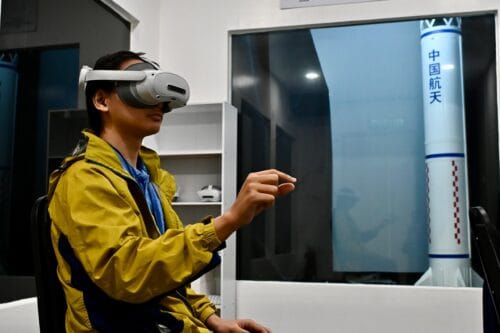
Among the gallery’s highlights is the permanent installation of the “Astro Xplore” experience, which was initially introduced as a temporary programme. Visitors can also explore virtual experiences linked to the Shanghai Astronomy Museum, regarded as the world’s largest astronomy museum.
Khoo mentioned the development of the Space Gallery was also aimed at ensuring visitors could enjoy meaningful astronomy-related experiences regardless of weather conditions.
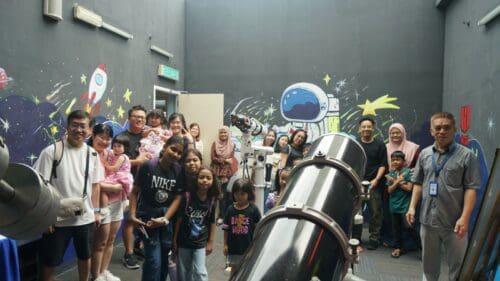
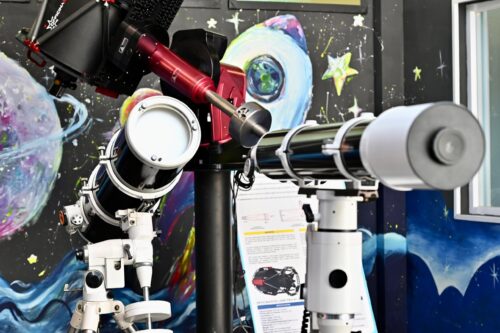
He noted that stargazing activities are often affected by rain and cloud cover, limiting opportunities for direct observations through telescopes.
To address this, Tech Dome has introduced complementary programmes such as its Space Camp and interactive astronomy exhibits, allowing visitors to continue learning about space science even when skies are not conducive for observation.
“The reality is that when it rains or the sky is cloudy, visitors may not be able to see much through a telescope. We wanted to create an alternative experience so people can still learn and be inspired by astronomy,” he said.
Khoo acknowledged that building and sustaining astronomy-related programmes has not been without challenges, particularly in terms of funding, operations and long-term sustainability.
He said the organisation had spent years refining its approach, from managing programmes and ticketing structures to improving public engagement, while balancing educational goals with financial realities.
“We learned that if we want this to grow, we have to think beyond running programmes. It requires careful planning, resource management and continuous innovation.
“We have also benefited from the guidance of mentors and partners who encouraged us to take a more strategic approach,” he said.
Khoo said a second-generation version of the virtual astronomy experience is currently being developed in China and is expected to be ready later this year, providing visitors in Penang with an enhanced immersive experience linked to the Shanghai Astronomy Museum.
The gallery also includes exhibits on constellations and horoscopes, inspired by displays found at the Shanghai Astronomy Museum.
For now, members of the public can join guided tours of the gallery from 1pm to 2pm on weekdays free of charge, while school groups and participants of Tech Dome’s monthly Space Camp programme will also have access to the facility.
Looking forward, Khoo said Tech Dome plans to continue working with the Shanghai Astronomy Museum and other collaborators to further enhance the gallery through future development phases.
He expressed hopes that the centre would eventually be able to operate from a larger site with lower levels of light pollution, creating better conditions for astronomical observation and strengthening Penang’s position as a centre for astronomy education and outreach.
“The interest is definitely there, especially among young people. Our goal is to keep expanding opportunities for them to explore astronomy and develop a deeper appreciation for science and space,” he said.
Khoo also hoped more sponsors or any kind individuals will come forward to contribute to the development of Tech Dome.
Story by Edmund Lee
Pix by Siti Nuratikah Rahmat