

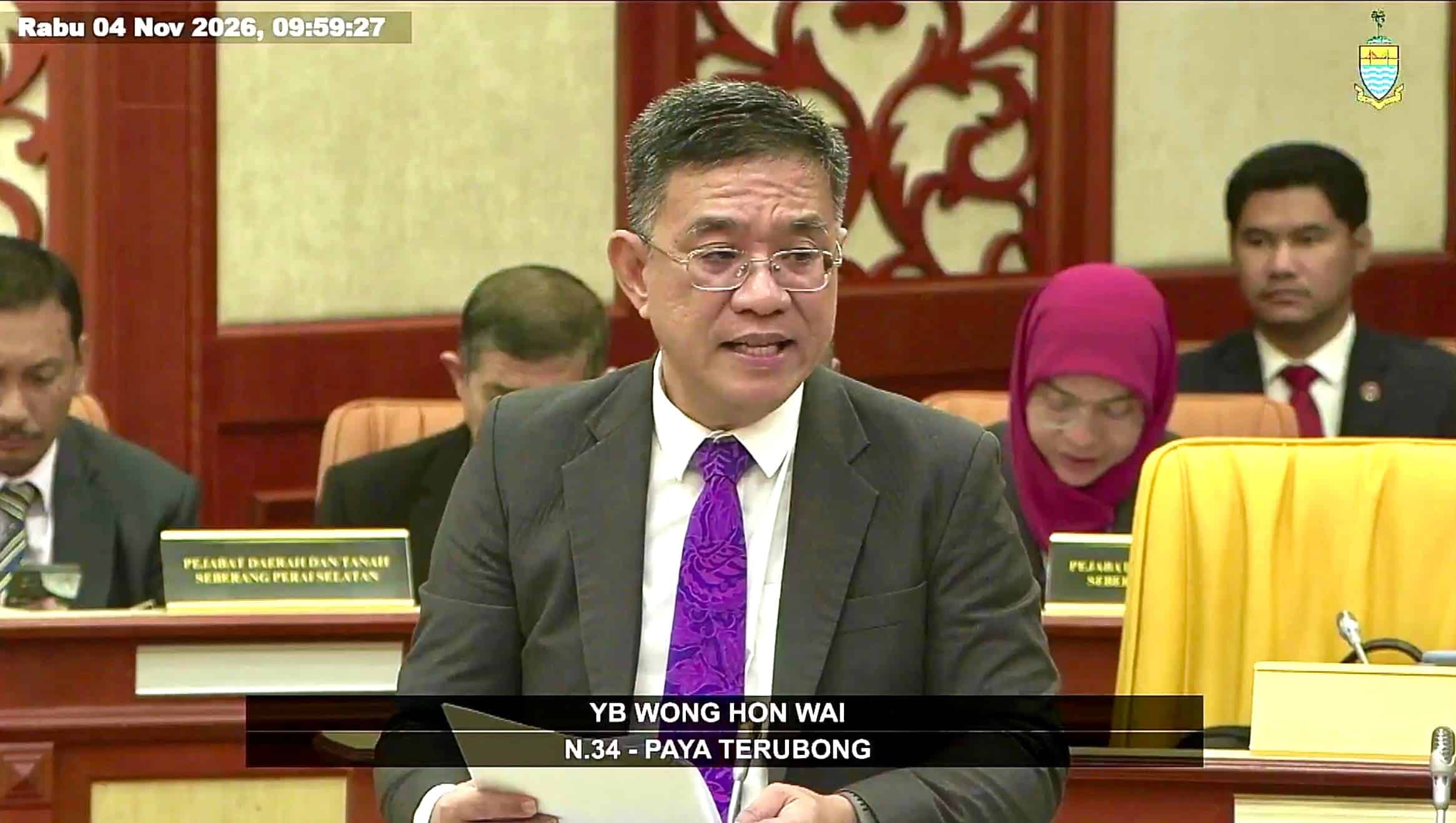

UNESCO does not provide funding for the repair and maintenance of heritage buildings in George Town, says state Tourism and Creative Economy Committee chairman Wong Hon Wai (PH-Paya Terubong).
He said the costs were borne by the Penang state government, Federal Government and private building owners.
Wong, who was replying on behalf of the Chief Minister to a question from Muhamad Kasim (PN-Telok Bahang), said the George Town World Heritage Incorporated (GTWHI) had provided technical assistance, conservation guidelines and various incentive schemes to help owners maintain their premises.
He said RM1.88mil had been allocated under the George Town Heritage Habitat Seed Fund, while RM10.64mil and RM6.27mil had been allocated under the Category I and Category II Heritage Building Repair Incentive schemes respectively.
On whether building collapse incidents could affect tourism, Wong said the state government and GTWHI took such incidents seriously, with the safety of visitors and local residents remaining their top priority.
“Such incidents could affect tourists’ perception of safety in heritage areas,” he said.
He said GTWHI and the Penang Island City Council (MBPP) conducted regular inspections of old buildings, monitored termite infestation and issued repair notices to owners of premises deemed dangerous.
On repair requirements, Wong said only conservation works were allowed for Category I heritage buildings to preserve their original character, materials and structures.
For Category II buildings, their original features, including ventilation spaces and courtyards, must be retained and restored, while replacement materials must maintain similar performance, design, colour and texture.
He added that any amendments or additions to heritage buildings required MBPP’s approval, while unauthorised alterations must be reversed to restore the buildings to their original profiles.
Non-heritage buildings under the replacement/infill category could be redeveloped, provided the new developments were compatible with the surrounding heritage buildings and did not negatively affect the site’s overall heritage value.
Story by Edmund Lee