

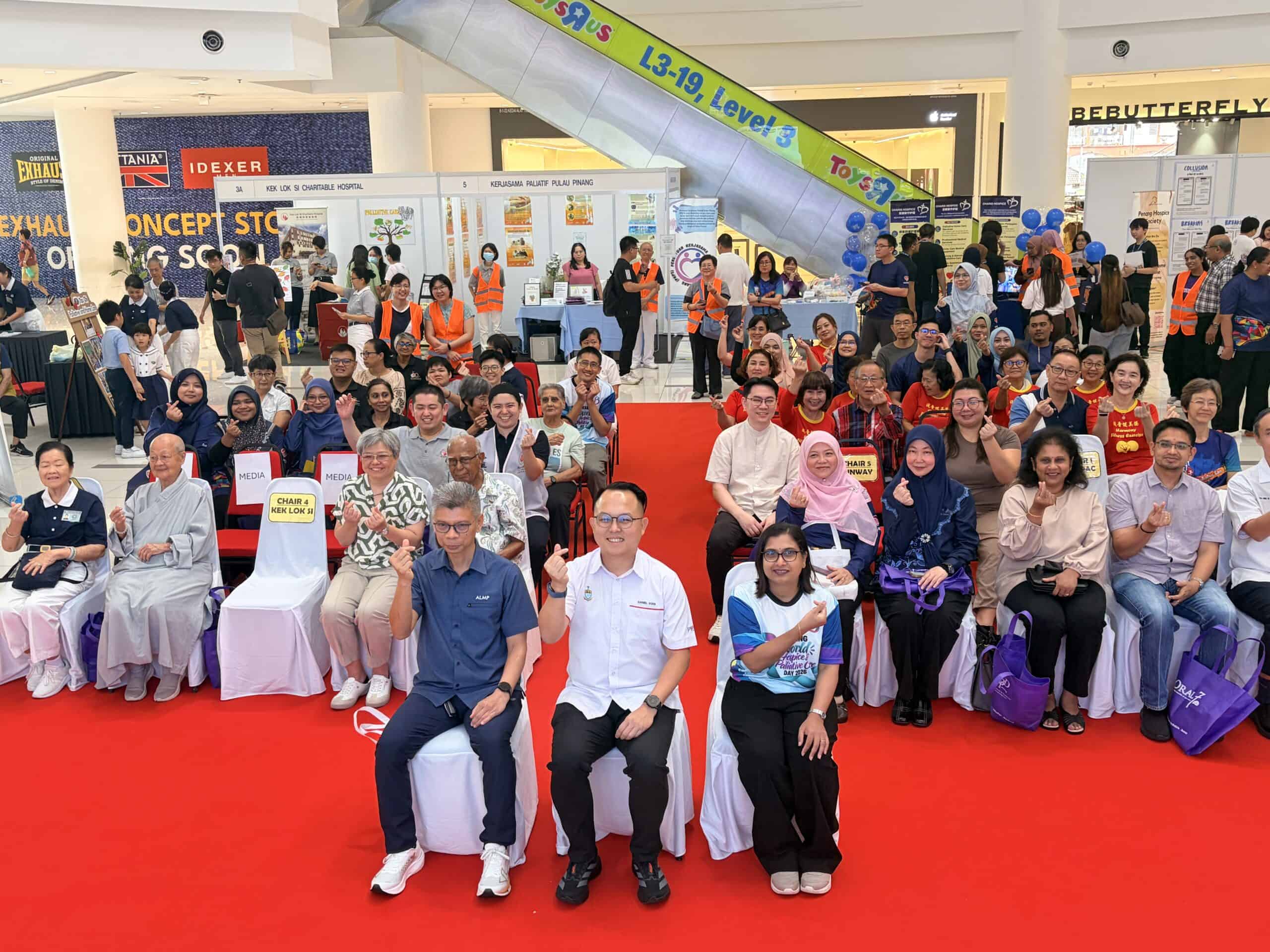

PALLIATIVE care is not merely about supporting patients at the end of their lives, but also about helping those living with serious illnesses enjoy the best possible quality of life for as long as they can.
Penang Youth, Sports and Health Committee chairman Daniel Gooi Zi Sen said palliative care must address not only patients’ physical needs, but also their emotional, social and spiritual well-being, while providing essential support to their families and caregivers.
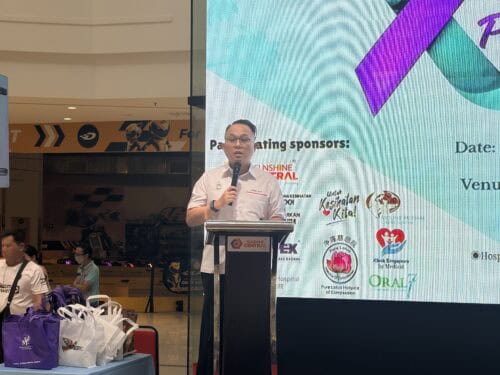
“Palliative care is not only about the end of life. It is about helping people with serious illnesses live as well as possible, for as long as possible, while addressing their physical, emotional, social and spiritual needs,” he said.
He was speaking before officiating the state-level World Hospice and Palliative Care Day 2026 celebration at Sunshine Central in Air Itam today.
Gooi said investing in palliative care was an investment in the well-being of Penang’s people, particularly as the state’s population ages and the burden of cancer and other chronic illnesses continues to grow.
He stressed that the increasing need for palliative care made it imperative for the state to strengthen the entire continuum of care, encompassing hospitals, primary healthcare facilities, hospices, community services and home-based care.
“This means investing not only in infrastructure, but also in trained healthcare professionals, essential medicines, sustainable services, education and better coordination of care,” he said.
He also highlighted the invaluable contributions of caregivers and volunteers, whose dedication and compassion could make a profound difference in the lives of patients and their families.
According to Gooi, providing effective palliative care requires a collective effort involving healthcare providers, community organisations, volunteers and government agencies, rather than relying on any single organisation.
He acknowledged the important roles played by Unit Kebajikan Manfaat Rakyat (Kemara), Pure Lotus Hospice of Compassion, Tzu Chi Organisation, Charis Hospice Penang, Penang Hospice, Mount Miriam Cancer Hospital, Kek Lok Si Hospital and the Malaysian Association of Paediatric Palliative Care (MAPPAC), alongside public healthcare services.
He said strengthening collaboration among these organisations would help ensure that patients received more coordinated, accessible and continuous care, regardless of where they lived or the stage of their illness.
“Our task is to strengthen this collaboration so that patients can receive more coordinated and accessible care.
“The system should work around the patient, not require the patient to work around the system,” he said.
Gooi emphasised that the true measure of effective palliative care extended beyond the availability of medical services, focusing instead on the quality of care and support experienced by patients and their loved ones.
He said Penang must continue working towards a healthcare system that placed people at its centre by bringing services closer to communities, improving coordination between hospitals and community-based providers, and providing continued support for healthcare professionals, caregivers and volunteers.
“Because the measure of a healthcare system is not only how effectively it treats disease. It is also how well it cares for people when they are at their most vulnerable,” he said.
Gooi called on all stakeholders to renew their commitment to ensuring that everyone in Penang who required palliative care could receive it with accessibility, continuity, compassion and dignity.
He said such a commitment was essential to building a more inclusive and compassionate healthcare system that recognised the needs of patients and their families throughout their journey with serious illnesses.
Also present during the event were State Health Director Datuk Dr Zulhizzam Abdullah, Bukit Mertajam Hospital director Dr Prashant Subramanian, Penang General Hospital director Dr Goh Hin Kwang and Persatuan Kerjasama Paliatif Pulau Pinang president Dr Jaishree Sharmini Jivanadham.
Story by Riadz Akmal