

THE preservation of Potehi and puppetry must go beyond safeguarding traditions of the past, with the next generation playing a central role in ensuring the art form continues to thrive, said Chief Minister Chow Kon Yeow.
He said heritage could not be preserved by keeping it “behind glass”, but must instead be passed into the hands of young people through education, community participation and creativity.
“If we want Potehi and puppetry to continue, we must bring them to the younger generation.
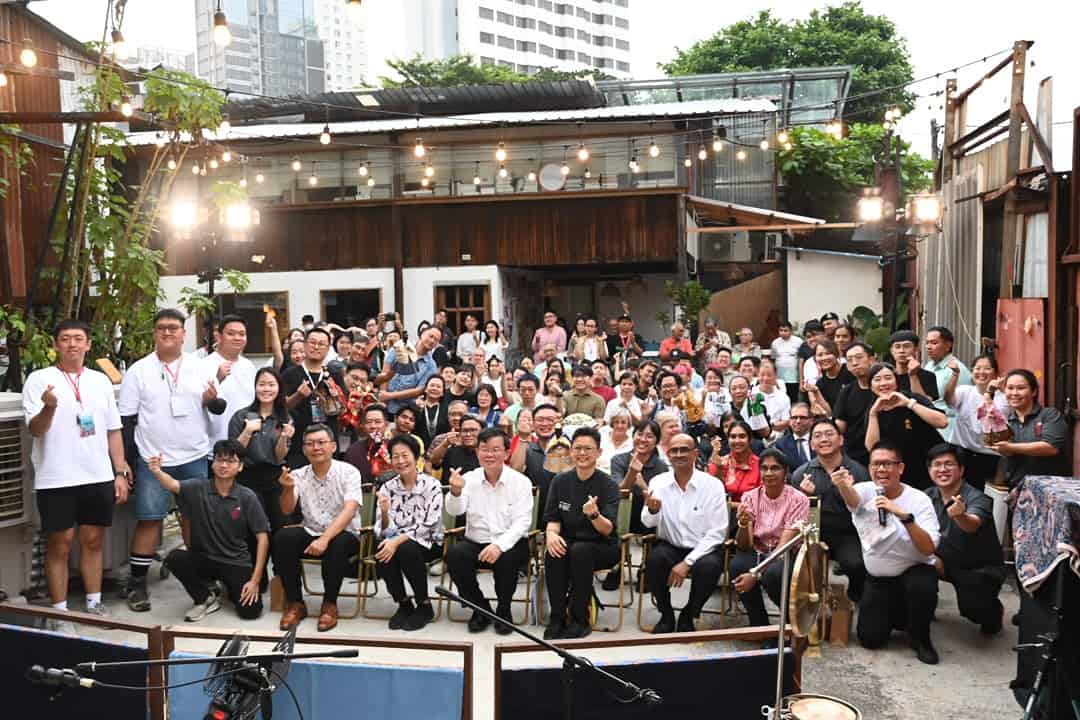
“We cannot preserve heritage by keeping it behind glass. We preserve it by putting it into the hands of the next generation,” he said in his opening remarks at the Penang Puppet Festival 2026 at Hin Bus Depot and COEX @ Kilang Besi in George Town today.
Chow said the festival’s next chapter, Warisan: Seeds of Tomorrow, reflects the importance of nurturing new generations to carry forward Penang’s living heritage.
“I hope these seeds will grow through education, community participation, and the creativity of our young people,” he said before officially declaring the 2026 festival open.
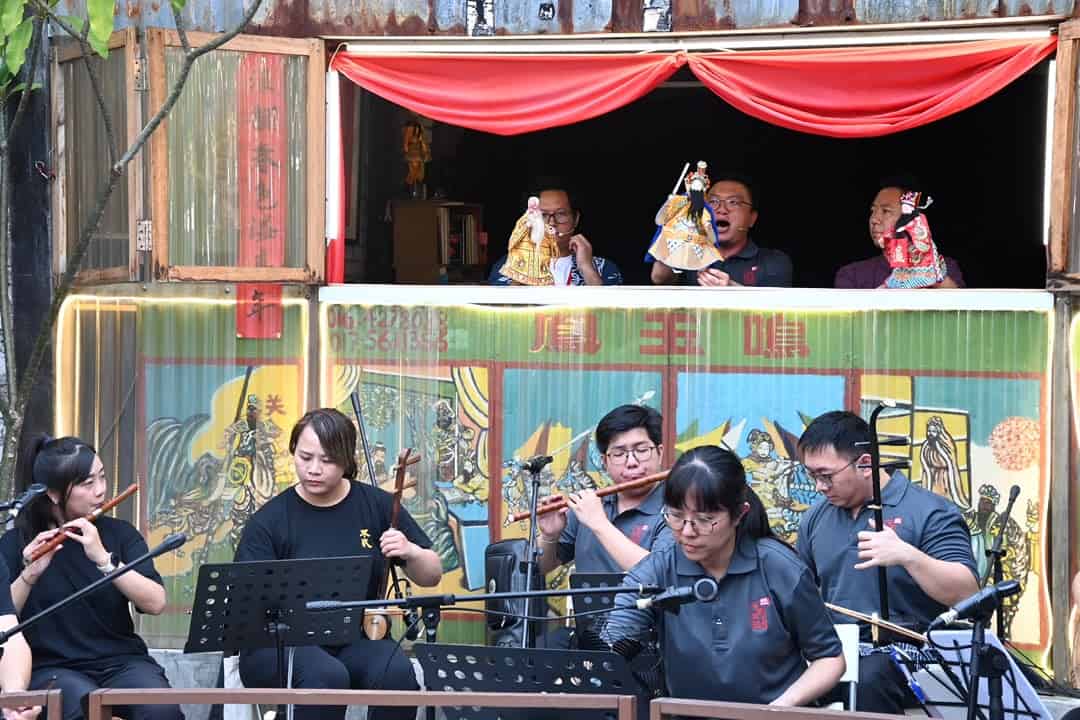
He said this year’s festival, themed Berbunga, also reflects how heritage must be nurtured, shared and allowed to evolve while remaining relevant to the present and connected to the past.
Chow said it was difficult to imagine that the puppet festival is running for 12 days, with representatives from Penang and four overseas troupes taking part.
He said the gathering demonstrates the spirit of Mekar Raya, with different branches of the tradition remaining connected by a common cultural root.
He also stressed that Penang’s multicultural heritage should not be viewed through a political lens, particularly during political seasons when attempts may be made to question whether cultural celebrations are genuinely multiracial.
“I reject that sentiment.
“Penang is living proof that different communities can share a place, respect one another, and celebrate each other’s heritage. Our diversity is part of who we are. It is not a political tool to be used when convenient,” he said.
Chow said Penang will continue to reject narratives that seek to divide its people for political gain, adding that the state can serve as a model for national unity.
He said unity is built through everyday interaction, mutual respect and the willingness to celebrate shared heritage while respecting differences.
“Let Penang continue to show Malaysia that diversity can be a source of unity, and culture can bring people together,” he said.
Chow also welcomed artists, delegates and cultural practitioners from Penang, Malaysia and across Asia, while congratulating and thanking Ombak Potehi, partners, artists, organisers, sponsors and volunteers for making the festival possible.
He said the festival’s programme extends beyond performances to include exhibitions, workshops, school programmes, public talks and artist exchanges — initiatives that help introduce Potehi and puppetry to wider audiences, particularly young people.
“Heritage is more than historic buildings. It lives through our people, traditions, languages, arts, and shared experiences,” he said.
Chow said puppetry is a fine example of living heritage as it carries stories from the past while allowing new generations to keep those stories alive.
He expressed hope that the Penang Puppet Festival will continue to grow as an important platform for puppetry and cultural exchange in Asia, particularly at a time when societies are becoming increasingly divided.
“We need more opportunities for people to meet, understand, and appreciate one another,” he said.
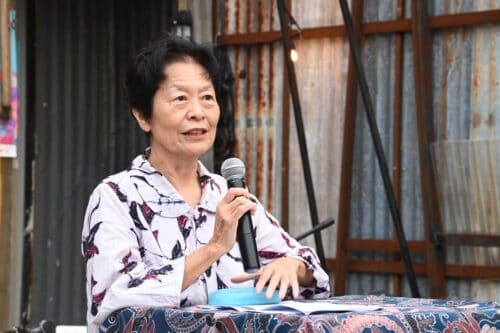
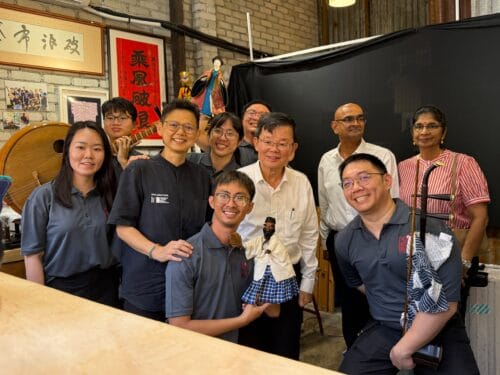
Earlier, Ombak Potehi and Penang Puppet Festival 2026 advisor Prof Dr Tan Sooi Beng spoke about Ombak Potehi’s 11-year journey, which began when a group of puppet enthusiasts known as Friends of Potehi decided to research the four remaining Potehi troupes in Penang.
She said research alone was not enough to revitalise an ailing art form.
She subsequently assembled a group of dedicated young people who called themselves Ombak Potehi (“Making Waves”) to learn from the Beng Geok Hong aunties.
“It was challenging — we had to go to the stage in the hot sun and learn from the aunties when they were having breaks during their performances. We would video the movements and music so that we could practise at home.
“But these apprentices persevered and learnt puppet manipulation and music, and performed traditional stories such as The Love Story of Malek and Journey to the West,” she said.
Dr Tan said that over the past 11 years, Ombak Potehi had also built an ecosystem essential for the survival of the art form.
She said the troupe has reached out to schools to attract younger generations who have never seen Potehi, using methods such as collecting stories from communities and incorporating their own languages and types of music.
She noted that puppet theatre is a tradition found across much of Southeast Asia and parts of Asia.
“Not only are the puppets and puppeteers engaging to watch, but they also play important functions in communication. This was especially the case in the past when there was no television and social media,” she said.
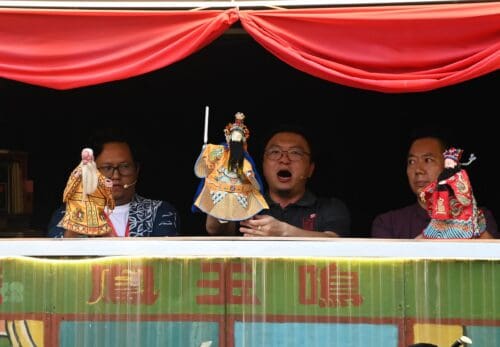
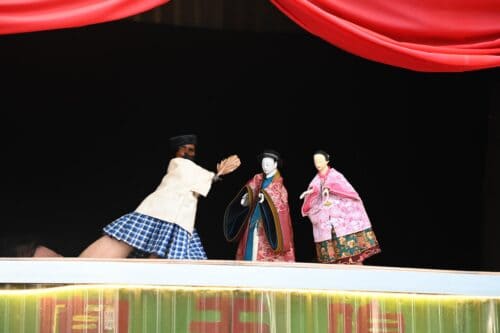
The festival features performances, workshops and hands-on demonstrations of different types of puppetry found in the region, including glove, rod, finger, shadow and string puppets.
“Specifically, we want to share puppetry techniques and the recreation of new styles in the region. Through the talks and discussions, we will start mapping puppet theatre in the region geographically and aesthetically.
“We hope to make Penang the hub for networking and the revitalisation of puppetry in Southeast Asia,” she said.
Also present at the opening ceremony were Komtar assemblyman Teh Lai Heng, Penang Island City Council mayor Datuk A. Rajendran and his wife, Datin Devika S. Thiagarajan, George Town World Heritage Incorporated general manager Dr Ang Ming Chee, and Penang Puppet Festival director Marcus Lim.
Story by K.H. Ong
Pix by Alissala Thian