

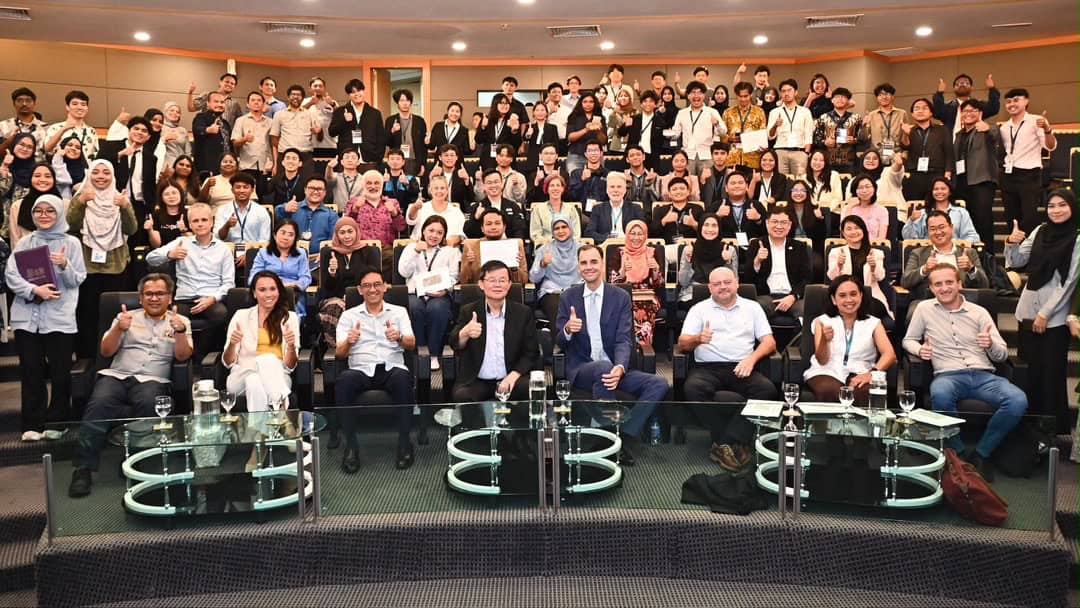

THE development of skilled talent in the semiconductor sector is crucial to sustaining Penang’s position as Malaysia’s electrical and electronics (E&E) hub amid growing global demand, says Chief Minister Chow Kon Yeow.
According to Chow, the global semiconductor industry is expected to approach US$1 trillion in annual sales this year, while Malaysia already handles about 13% of the world’s assembly, testing and packaging (ATP) activities.
“Penang, widely recognised as the Silicon Valley of the East, contributes more than 5% of global semiconductor sales, while the state’s E&E exports consistently contribute more than 60% of the nation’s total E&E exports,” he said.
Chow said Penang recorded more than RM350 billion in E&E exports in the first half of 2026, an increase of more than 80% compared with the corresponding period last year.
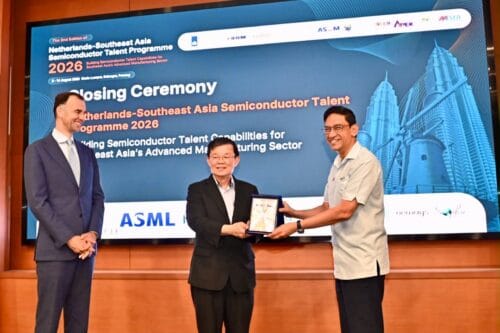
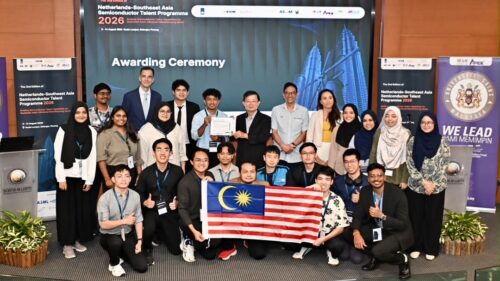
“This is a clear signal of surging global demand for semiconductor products, and it reaffirms Penang’s position as Malaysia’s E&E hub,” he said in his speech at the closing ceremony of the Netherlands-Southeast Asia Semiconductor Talent Programme 2026 at Universiti Sains Malaysia (USM) in Bukit Jambul here today.
However, he said the strong growth also presents a major challenge in the form of a talent shortage.
“Globally, our industry will need to add a million skilled workers by 2030, including more than 200,000 additional engineers here in Asia-Pacific alone.
“For Malaysia specifically, industry estimates suggest Malaysia’s industry needs 50,000 skilled engineers to meet the current demand, while universities are only producing around 5,000 engineering graduates annually,” he said.
Chow said the talent shortage was not unique to Malaysia, but remains a regional and global challenge, particularly in STEM-related fields.
He said programmes such as the Netherlands-Southeast Asia Semiconductor Talent Programme are important in encouraging young people to explore opportunities in the semiconductor industry.
“While the demand for engineers continues to grow, the number of engineering graduates remains insufficient, and many ultimately pursue careers outside their field of study.
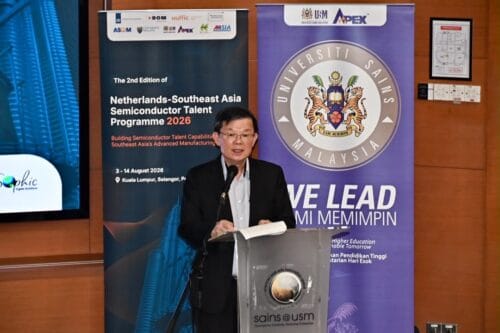
“Programmes like this are therefore vital in inspiring students to explore the vast opportunities within the semiconductor industry,” he said.
Chow said exposing students to the semiconductor value chain and its diverse career pathways would help them better understand how their skills and interests could contribute to the industry.
The 2026 programme brought together 60 students from universities in Indonesia, Malaysia, the Philippines, Singapore and Thailand for 10 days of cross-cultural learning, academic sessions and engagement with industry players.
Chow added that the programme, which began in Selangor and concluded in Penang, provided participants with a broader understanding of the semiconductor industry in Malaysia and the Netherlands.
He said there is enormous potential for the sector, particularly amid the rapid development of artificial intelligence (AI).
“There is enormous potential ahead, especially in this AI era, where semiconductors are the very foundation on which so much of tomorrow’s technology will be built.
“The chips you may one day help design or manufacture could power AI applications, electric vehicles, healthcare solutions and advanced technologies shaping the next decade,” he said.
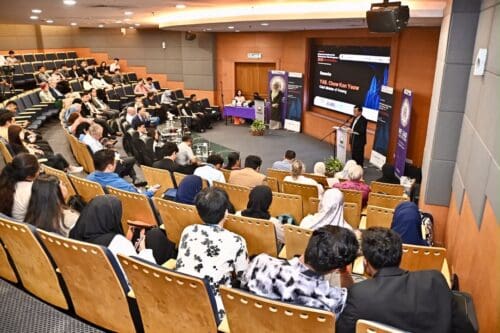
Chow expressed hope that the programme would broaden the participants’ perspectives, strengthen their interest in engineering and encourage them to pursue careers or further studies in the semiconductor industry.
He also thanked Nuffic Southeast Asia, Khazanah Nasional, the Embassy of the Kingdom of the Netherlands, government partners, corporate sponsors, and industry and academic partners for supporting the programme.
Chow congratulated all 60 participants on completing the programme and encouraged those considering career opportunities in Malaysia to consider Penang.
Nuffic Southeast Asia director Nanya Burki said Penang’s semiconductor industry is experiencing strong growth but faces a growing shortage of skilled talent.
USM vice-chancellor Prof Datuk Seri Abdul Rahman Mohamed emphasised the importance of international collaboration in advancing the semiconductor industry, noting that the Netherlands brings world-class expertise.
Also present was Deputy Ambassador of the Kingdom of the Netherlands to Malaysia Pleter Blussé.
Story by Edmund Lee
Pix by Law Suun Ting