

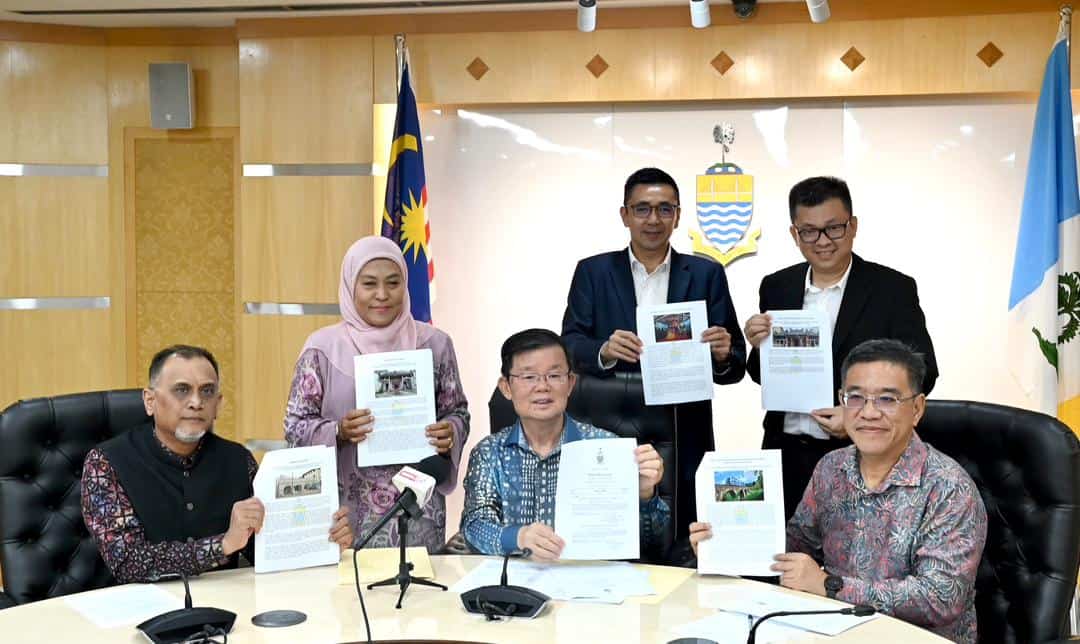

THE Teong Guan Phor Thor Festival, also known as the Hungry Ghost Festival, has been gazetted as Penang State Heritage under the Penang State Heritage Enactment 2011.
Chief Minister Chow Kon Yeow said the festival was gazetted with effect from June 25 following the state government’s approval of its nomination on April 8.
He said the state government had also approved the designation of six sites as Heritage Sites under the same enactment on April 8, with the sites and the Phor Thor Festival to be officially designated at the State Heritage Declaration and Heritage Site Designation Ceremony on Oct 10.
The six sites are the Upper Station, Lower Station and Funicular Railway Tracks of Penang Hill; Dato Koyah’s Tomb; Thai Pak Koong Temple (Ng Suk), King Street; Fooi Chew Association Building; Loo Pun Hong Temple; and Kwangtung & Tengchow Cemetery No. 1.
Chow said the Teong Guan Phor Thor Festival and the six sites have significant historical and cultural value, reflecting Penang’s diverse heritage and the contributions of its multicultural communities.
“The recognition is not merely about preserving and conserving a traditional practice, but also about highlighting the diversity of festivals celebrated by our multicultural society as part of Penang’s identity,” he said at a media conference to announce the gazettement of intangible and tangible cultural heritage at Komtar today.
The Teong Guan Phor Thor Festival is observed for a month during the seventh month of the Chinese lunar calendar, reaching its peak on the 15th day.
It involves rituals to honour ancestors and spirits believed to roam during this period, while Tai Su Yeah (King of Hell) tents and opera or getai stages are set up in public areas throughout the festival.
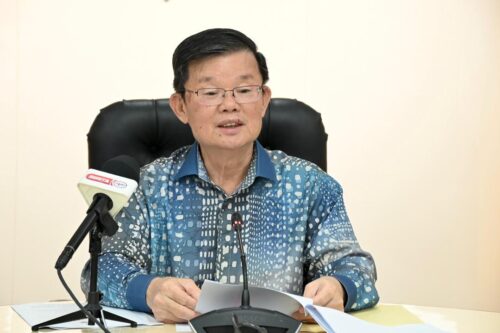
Chow said the celebrations were jointly organised by local communities and traders under the coordination of community leaders.
He said the festival had undergone detailed screening and assessment by experts through the Intangible Cultural Heritage (Sociocultural) Expert Committee before receiving the endorsement of the State Heritage Council and approval by the State Executive Council.
On the six heritage sites, Chow said all have significant historical backgrounds in the development of Penang and have undergone rigorous assessment by the Tangible Cultural Heritage (Built Heritage) Expert Committee.
He said the gazette notices for the designation of the six sites had been submitted to the State Legal Adviser’s Office for the official gazettement process.
“This demonstrates that heritage conservation efforts in Penang encompass both dimensions — heritage practised by communities and physical heritage that shapes the historical landscape of the state,” he said.
Chow expressed hope that more of Penang’s cultural heritage could be identified, documented and recognised as State Heritage in the future.
“Heritage is not merely a legacy of the past. It is an identity that connects previous generations with the present, and a trust that we must pass on to future generations,” he said.
Also present at the press conference were State Secretary Datuk Dr Jafri Abdul Jalil, state Tourism and Creative Economy Committee chairman Wong Hon Wai, state Local Government, Town and Country Planning Committee chairman Jason H’ng Mooi Lye, Penang State Heritage Commissioner Zalena Abdul Aziz and State Heritage Council member and Tangible Cultural Heritage (Built Heritage) Expert Committee chairman Dr Tan Chin Ling.
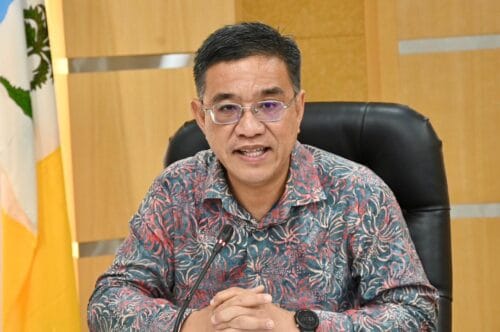
Wong said that 2026 has seen positive developments in heritage preservation and conservation efforts, with a total of 57 items gazetted as State Heritage under Enactment 14.
He said the figure comprised 15 historical sites, 28 food items and seven Intangible Heritage items announced previously, in addition to the latest gazettement.
“This brings the total number of items gazetted under Enactment 14 to 57, making this year a very positive one for Penang in its efforts to preserve and conserve its heritage,” he said.

Meanwhile, Zalena said her department is targeting 70 items to be gazetted as State Heritage by 2027.
“Without the support of the state government, especially the chief minister and the state executive councillors, we would not have been able to achieve this,” she said.
Story by K.H. Ong
Pix by Alissala Thian
Video by Noor Siti Nabilah Noorazis