

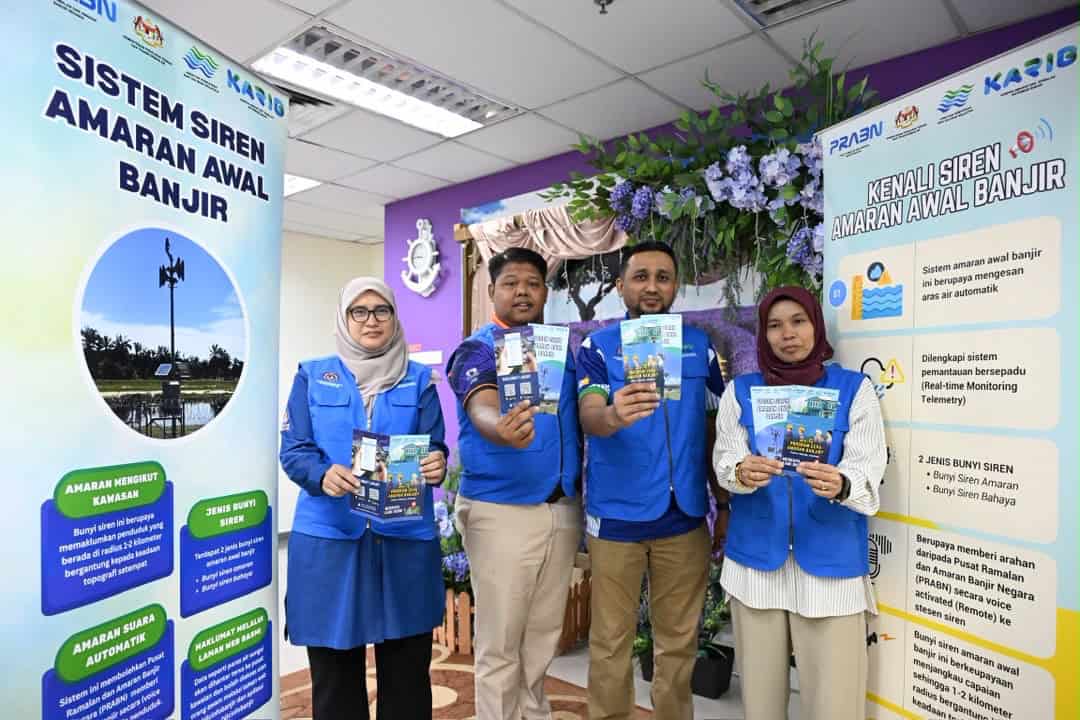

THE Communication, Education and Public Awareness (CEPA) initiative, spearheaded by the Faculty of Civil Engineering at Universiti Teknologi MARA (UiTM) Penang Branch, is playing a vital role in strengthening community resilience against flood risks through education, practical training and strategic collaboration with multiple government agencies.
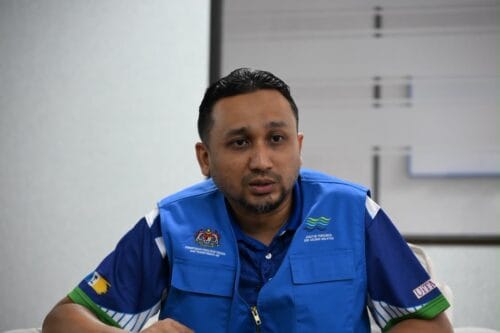
Head of the Centre of Studies at the UiTM Penang Branch Faculty of Civil Engineering, Dr Muhamad Faizal Pakir Mohamed Latiff, said CEPA is a national initiative introduced by the Department of Irrigation and Drainage (DID) Malaysia to enhance public preparedness for flood-related disasters.
For the implementation in Penang, the UiTM Penang Branch Faculty of Civil Engineering has been appointed as the programme coordinator.
“The programme is funded through a grant channelled by the Department of Irrigation and Drainage to the National Water Research Institute of Malaysia (NAHRIM), before being awarded to our faculty.
“Through this grant, we are entrusted with carrying out a wide range of educational programmes, community engagement activities, surveys and flood preparedness simulations across the state,” he told Buletin Mutiara during an exclusive interview recently.
Also present were senior lecturers from the faculty, Dr Mohd Samsudin Abdul Hamid, Dr Nor Azliza Akbar and Dr Salina Alias.
Dr Muhamad Faizal explained that the primary objective of CEPA is to improve public knowledge, awareness and preparedness for floods while ensuring communities understand how to receive, interpret and respond appropriately when flood warnings are issued.
He said the programme covers four major river basins in Penang namely Sungai Pinang, Sungai Perai, Sungai Juru and Sungai Jawi; spanning the Northeast, North Seberang Perai, Central Seberang Perai and South Seberang Perai districts.
“The study areas were selected based on flood risk and historical flood incidents, the locations of warning sirens under the National Flood Forecasting and Warning Programme (PRAB), population distribution, and the need to assess the level of understanding among communities living near the warning system.
“For each river basin, we engage one school and one local community as our primary target groups.
“We also conduct public surveys and organise awareness booths at major events to reach a broader segment of society,” he said.
According to him, the comprehensive approach enables the programme to engage people from all walks of life, including students, families, residents living in flood-prone areas and the general public.
“CEPA Penang is not confined to a single river basin. It is a statewide education and preparedness initiative covering selected communities throughout Penang,” he added.
Dr Muhamad Faizal said the programme is designed to establish a clear chain of action, from receiving a flood warning, understanding its meaning, verifying the information through official channels, and ultimately taking the appropriate response.
One of CEPA’s greatest strengths, he noted, is its multi-pronged approach, which combines school education, community engagement, surveys, public exhibitions and close collaboration with disaster management agencies.
“In schools, students are introduced to flood risks, the functions of PRAB, warning sirens, official information sources and safety procedures. They are also encouraged to share this knowledge with their family members.
“For community programmes, the emphasis is placed on practical preparedness, including identifying official warning channels, developing family emergency plans, locating safe evacuation areas and following instructions issued by the authorities.
“Our surveys help identify existing knowledge gaps. Someone may have experienced floods before but may still not understand the purpose of warning sirens, know where to obtain official information or what action should be taken after receiving a warning.
“The true value of an early warning lies in the actions taken after it is received,” he stressed.
He explained that PRAB operates using advanced data and technology, integrating rainfall and river level monitoring, telemetry stations, hydrological and hydraulic modelling before flood warnings are disseminated to relevant agencies and the public.
The system is designed to forecast monsoon floods up to seven days in advance based on weather forecast data, extend warning lead times from six hours to as much as two days, and provide flash flood forecasts between one and three hours before an event.
However, Dr Muhamad Faizal emphasised that these are the system’s capabilities rather than guarantees for every flood event, as climate change can trigger highly localised and intense rainfall within a very short period.
“Technology provides us with time and information; preparedness determines how effectively we use that time,” he said.
Meanwhile, Dr Mohd Samsudin Abdul Hamid said a flood simulation exercise and public dialogue session will be held in the Datok Keramat state constituency in the Northeast District on Aug 1.
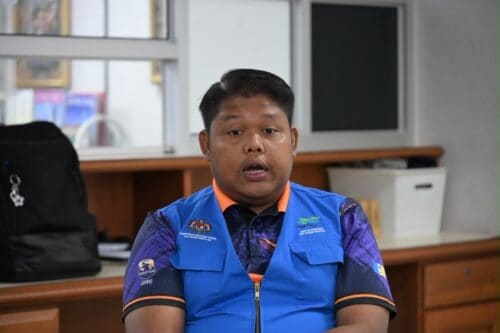
He described the event as an important platform to strengthen community preparedness for flood disasters.
“The programme, organised by the Civil Defence Force (APM) together with the research team and supported by Penang DID, NAHRIM, the National Flood Forecasting and Warning Centre (PRABN) and several other agencies, is expected to involve about 60 residents from Kampung Dodol, Kampung Makam and Kampung Masjid.
“This programme goes beyond raising awareness about disaster management. It also enables communities to identify local resources and recognise vulnerable groups that require priority assistance during floods.
“Among the key activities is community mapping, which includes identifying local food resources, safe and high-risk routes, public facilities, as well as vulnerable individuals such as senior citizens, persons with disabilities (PWDs), pregnant women and children to facilitate rescue operations,” he said.
Dr Mohd Samsudin added that various exhibition booths will be set up by participating agencies, including the Penang Island City Council (MBPP), the Social Welfare Department (JKM) and the Department of Irrigation and Drainage, to showcase flood management technologies, the MyPublicInfo Banjir application and disaster relief procedures.
“The public dialogue session will also allow residents to engage directly with representatives from relevant agencies to discuss flood-related issues and drainage concerns in their respective neighbourhoods,” he said.
He added that CEPA aims to reach approximately 100,000 Penangites through its various awareness programmes, which focus on promoting the use of the MyPublicInfo Banjir application, river level monitoring, family emergency kits, evacuation planning, safe storage of important documents and understanding the functions of flood warning sirens.
In a related development, Dr Nor Azliza Akbar said the effectiveness of the CEPA programme is evaluated through surveys conducted before and after each programme within the participating river basins.
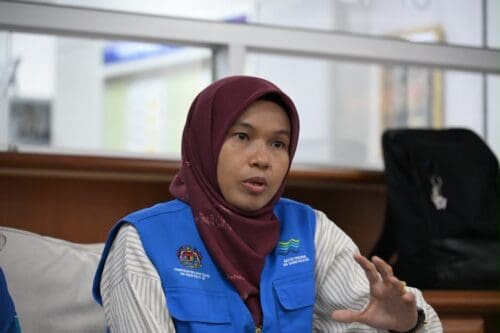
She explained that the pre-programme survey is carried out through door-to-door visits to establish baseline data on residents’ knowledge and preparedness, while the same questionnaire is administered after the programme to measure changes in awareness.
“Based on our preliminary findings, participants’ average awareness and knowledge scores have improved significantly, from around Level Two or Three to Level Four or Five in most of the areas involved.
“The public dialogue sessions have also helped address many misconceptions raised by residents, thereby strengthening community understanding of flood risk management,” she said.
Dr Nor Azliza noted that CEPA adopts a holistic approach by integrating school programmes, public exhibitions, community simulations, education and hands-on training to raise awareness while equipping communities with the practical knowledge needed to respond more quickly and safely when floods occur.
“Ultimately, the initiative reinforces the importance of community preparedness, demonstrating that while technology can provide early warnings, informed and proactive communities remain the strongest line of defence against flood disasters,” she said.
Story by Riadz Akmal
Pix by Darwina Mohd Daud