

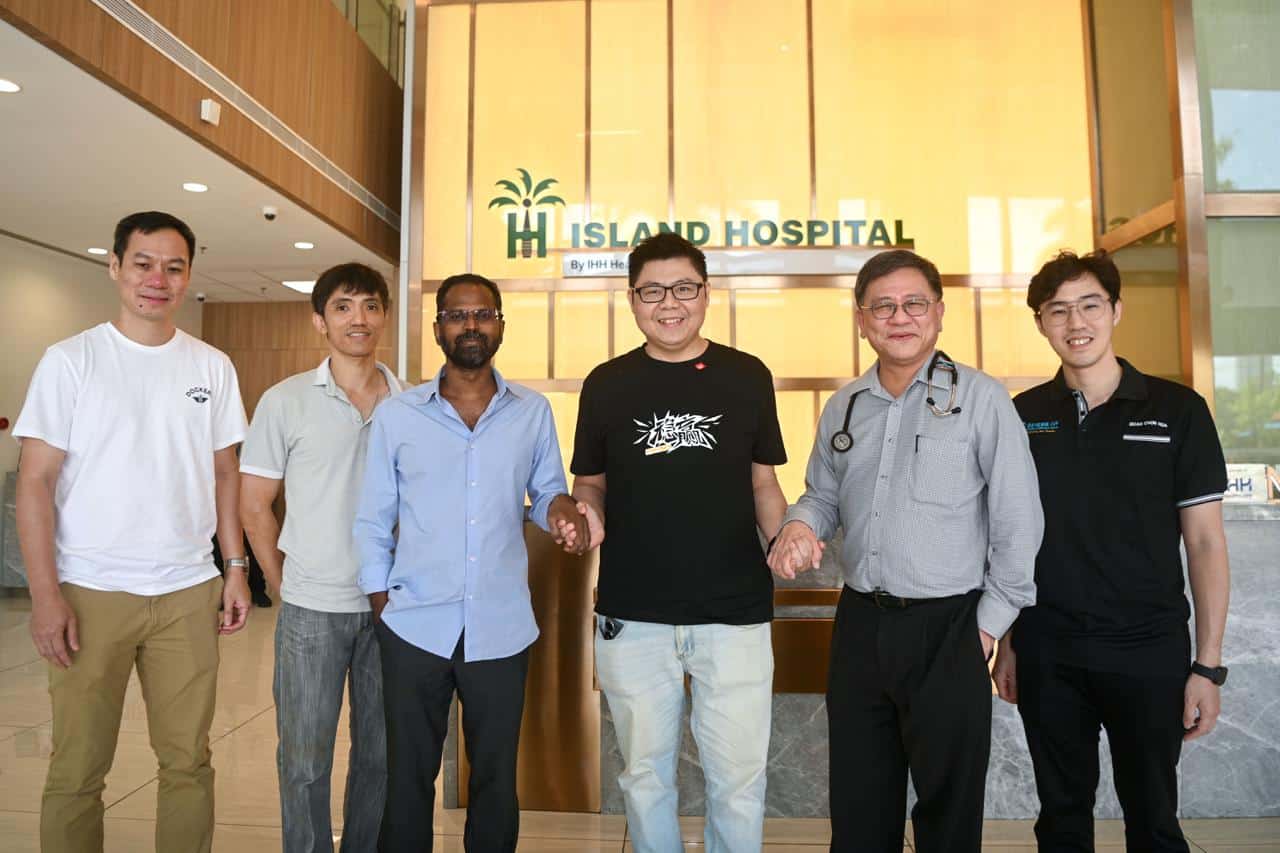

A ROUTINE game of badminton turned into a fight for survival when a man collapsed on the court, but swift action by his friends, the availability of an automated external defibrillator (AED) and timely medical intervention saved his life.
Factory engineer Jacky Ooi Say Sye, 40, collapsed while picking up a shuttlecock with his racquet at a condominium badminton facility in Paya Terubong, Penang, last August. He was about to play his third game after a short breather.
While some teammates initially thought he was playing a prank, as Jacky was known for his playful nature, his captain, Kor Chee Huat, sensed something was wrong and rushed over. Realising the seriousness of the situation, the group sprang into action. One player immediately began cardiopulmonary resuscitation (CPR), another ran to retrieve the AED, while another called 999 for an ambulance.
Jacky was rushed by ambulance to Penang Hospital, where he was warded for a day before being transferred to Island Hospital. There, he was first treated by consultant cardiologist Dr Chong Chu Ling, followed by cardiothoracic surgeon Dr Sotheenathan Krishinan, or better known as Dr Sothee.
After investigations revealed a 100% blockage in a crucial artery, Dr Chong advised Jacky to undergo surgery, which he agreed to. The case was then referred to Dr Sotheenathan, who successfully performed a single bypass operation using a minimally invasive technique, which is an open-heart surgery done via a mini thoracotomy, resulting in less rib spreading, reduced muscle trauma and faster recovery. This newer approach involves a smaller incision compared with conventional open-heart surgery via sternotomy.
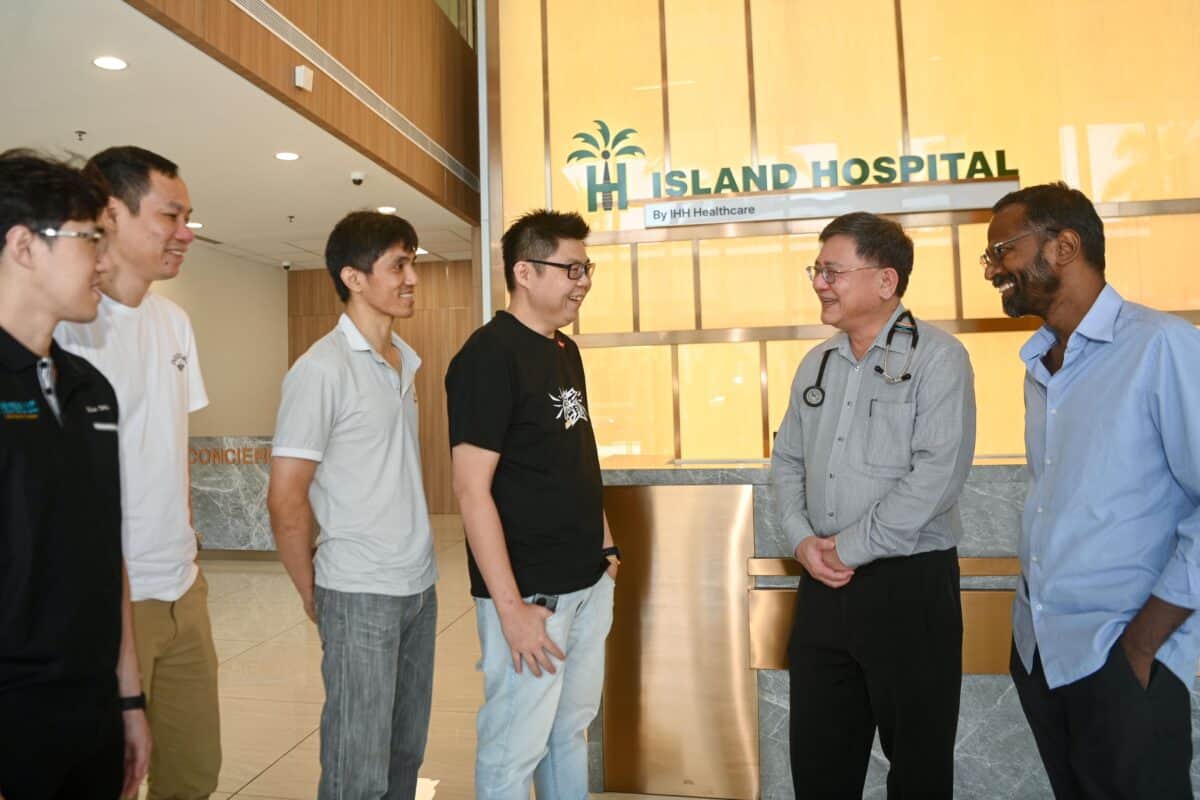
As Jacky required only a single bypass, an artery from within the chest was used, eliminating the need to harvest a vein from the leg. The operation took about five hours.
“I’m very thankful to be alive again. According to my friends, my heart stopped beating for about two minutes. I don’t want to die at such a young age. There are still so many things I want to accomplish in life,” Jacky said in an interview with Buletin Mutiara.
“I have two young children — my daughter is in Standard One and my son is in Form Five. If I were to leave now, it would be a huge burden for my wife to raise them alone. I also still have career goals and want to travel to places like Japan and Taiwan.”
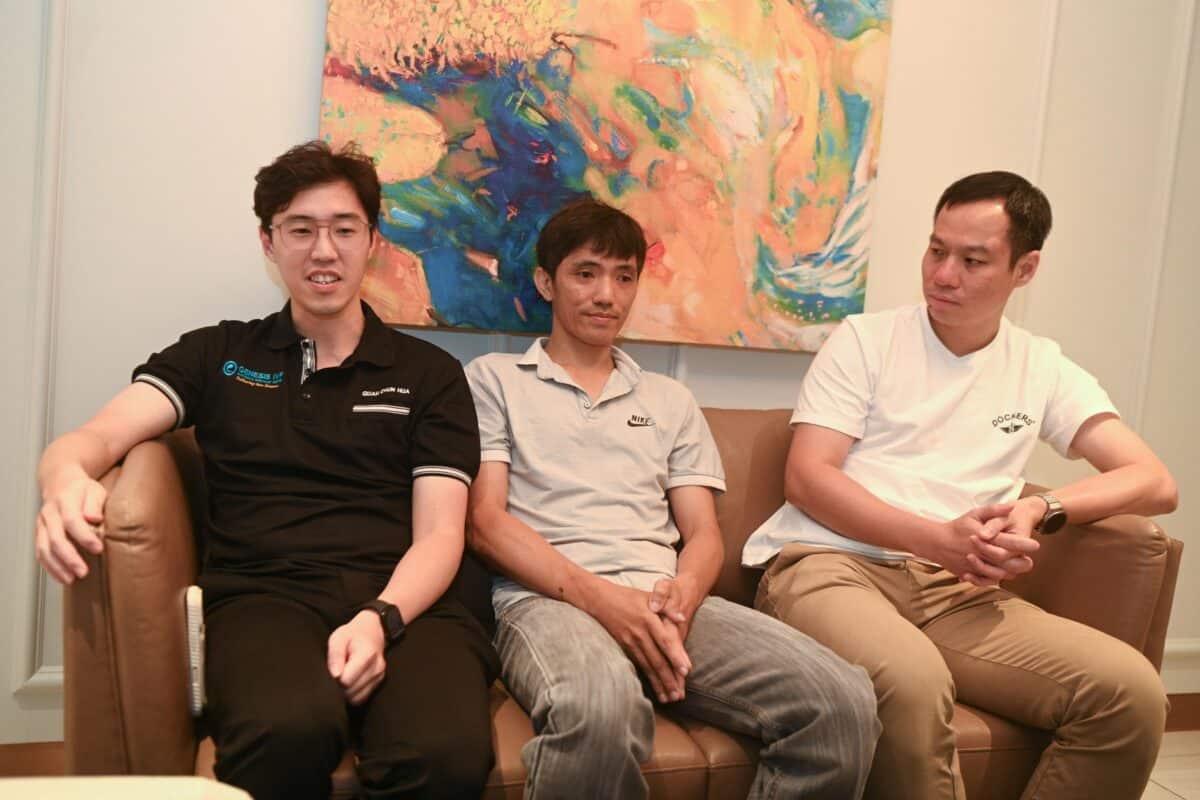
During the interview, Jacky was accompanied by his badminton buddies Loh Sin Hoon, Quah Chun Hua and Loh Hang Seng, all of whom played crucial roles in saving his life.
Recalling the incident, Sin Hoon said that when Jacky had no heartbeat and his eyes began rolling back, he immediately performed CPR while Chun Hua rushed to retrieve the AED placed outside the court.
Panic briefly ensued when Chun Hua discovered there was no key hanging inside the small box located next to the AED.
“The plastic cover on the small box was missing, and without the key, I was ready to break the casing with a hard object. Luckily, I felt something inside — the key was lying there,” he said.
Another tense moment followed when the AED did not work initially.
“In my haste, I forgot to peel off the protective backing from the pads placed on his chest. I also couldn’t hear the voice prompts clearly because of the noise in the hall,” Chun Hua said.
After the second shock, Jacky regained consciousness. Hang Seng kept urging him to stay awake and fight on, even though Jacky was in severe pain. He later discovered that three of his ribs had been fractured during CPR.
“They are my true heroes. They kept saying positive things to me. Because they were so determined to keep me alive, I held on. I would have died without them,” Jacky said.
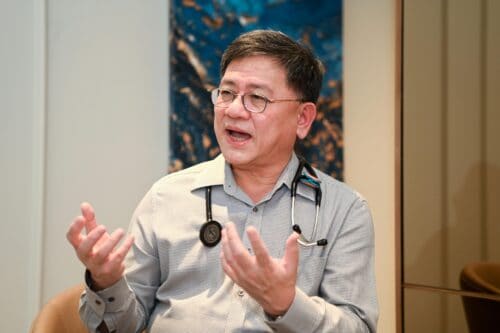
Based on a study on out-of-hospital cardiac arrest cases across several cities in Sarawak, Penang and the Klang Valley between 2010 and 2019, Dr Chong said only 0.7% of patients were discharged from the hospital alive.
“That means fewer than one out of 100 patients survives. He is very lucky,” he said.
Dr Chong stressed the importance of performing CPR within three to four minutes, using an AED promptly and ensuring a rapid emergency response to transport patients to the hospital for advanced treatment.
He noted that Penang’s emergency response time of about 15 minutes is very good and commended the state government’s initiative to make Penang a “heart-safe city” by introducing AEDs in 2015.
“There are now probably more than 1,000 AEDs in commercial and recreational areas, which may have increased survival rates to about three per cent,” he said.
Dr Chong advised individuals who have previously collapsed to avoid strenuous exercise, watch their diet, take prescribed medication and quit smoking.
“Too much exercise is not good. Mild to moderate exercise gives you the same benefits as training for a triathlon,” he said.

Jacky praised both Dr Chong and Dr Sothee for their professionalism and reassurance throughout the process.
“Dr Sothee made me feel less nervous before surgery and assured me that I would recover quickly. He explained everything in detail and made it feel like a small case,” Jacky said.
Dr Sotheenathan, a former president of the Lions Club of Penang Rising Star, believes strongly in building trust with patients.
“It’s important to win every patient’s heart. You must break down barriers if you sincerely want to help. The communication and connectivity must be there; that is my approach to all my patients,” he said.
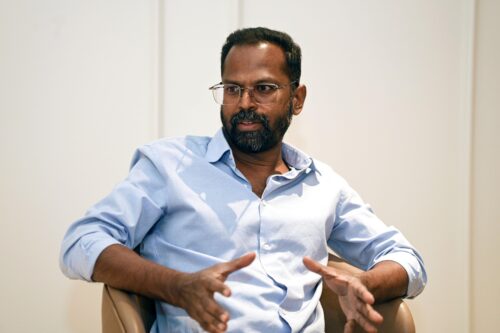
Having performed more than 10,000 heart and lung operations, Dr Sothee observed that patients who survive near-death experiences often develop a renewed perspective on life.
“They realise how fragile life is. After surviving, they want to enjoy life, become kinder, help others and stop delaying their dreams because tomorrow is never guaranteed,” he said.
He also reminded the public that no food or drink should be given to heart attack victims during rescue efforts, as this could obstruct the airway.
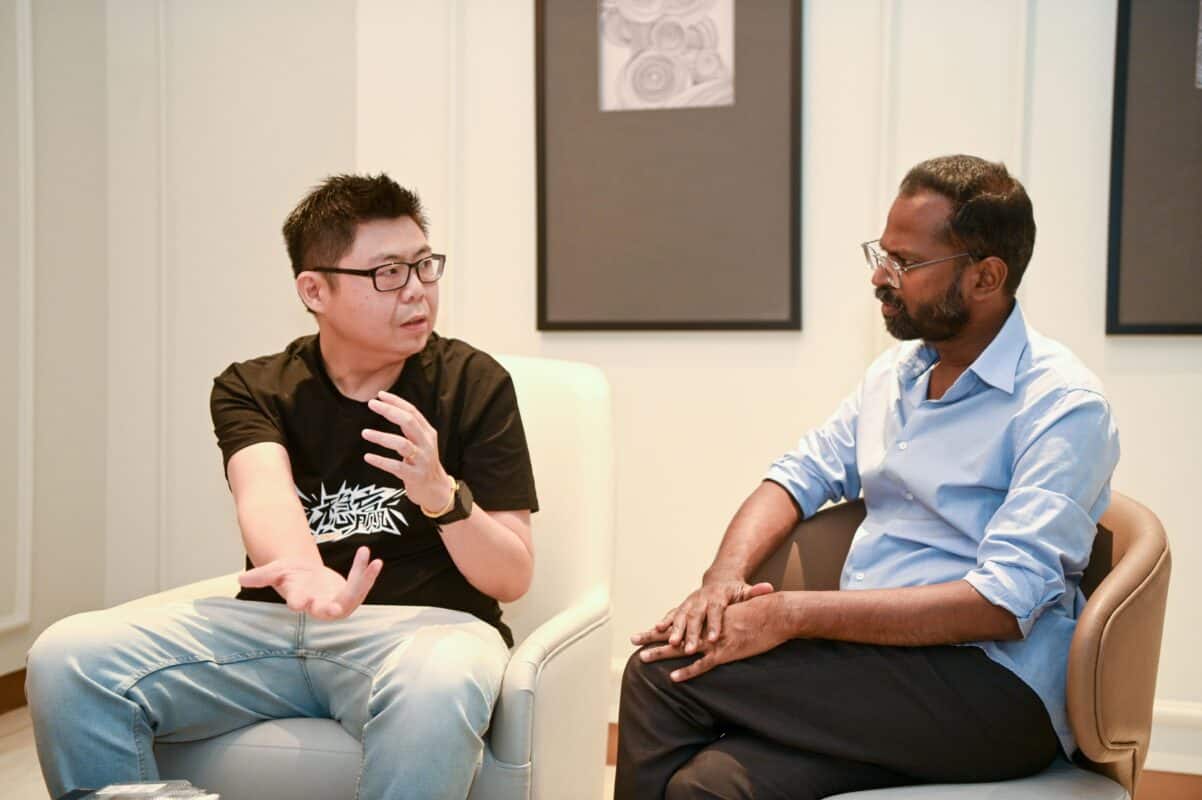
Commending Jacky’s friends for their swift and decisive action, Dr Sothee said their use of CPR and the AED was critical in saving his life.
“Every one of them played a crucial role. These kinds of people are very important, and we need more of them,” he said.
Citing a personal experience, Dr Sothee recalled witnessing a road accident in which onlookers hesitated to help a victim lying face down on the road.
“He was wearing a helmet, and his nose was pressed against the ground, barely able to breathe. People did not dare to turn him over. I told them I am a doctor and that I would take responsibility,” he said.
“This kind of fear must be overcome. If you are trained in CPR and AED use, you must be confident. You are the best person available to perform the rescue at that moment.”
Dr Sothee noted that some people are reluctant to help out of fear of being held responsible if something goes wrong.
“You should do your duty without fear,” he said.
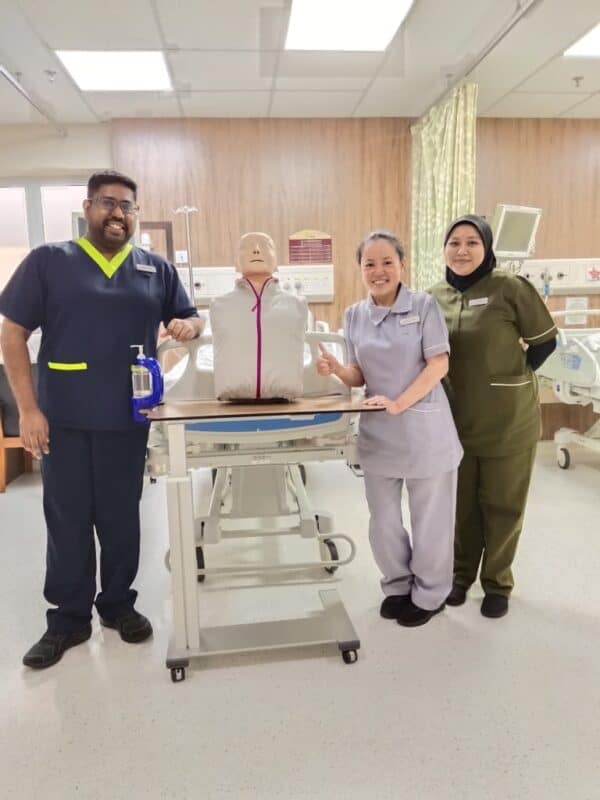
Meanwhile, Island Hospital senior marketing manager Josephine Wong announced that the hospital will be organising a Basic Life Support (BLS) Workshop on April 11, from 10am to noon, at the Seminar Hall, Level 12, Peel Wing, Island Hospital.
The programme will include a short medical briefing and hands-on sessions on CPR, AED use and choking management for adults and children.
For registration, the public may contact Ms Chee Hui Ling, Marketing Department at 04-238 3388 ext 2509.
“We target 60 people. Registration closes on April 2,” Josephine said.
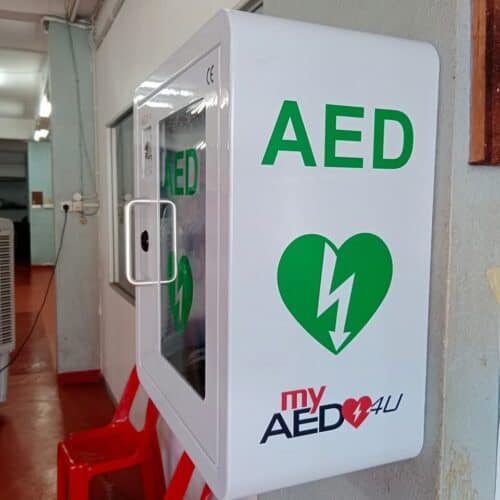
Following Jacky’s collapse, his friends have since encouraged seven other badminton players to enrol in an AED course.
Jacky has also quit smoking, controlled his diet and now exercises moderately through treadmill runs and walks in the park.
For someone whose heart stopped for two minutes, every moment now is one to be cherished.
Story by K.H. Ong
Pix by Siew Chia En and courtesy of Island Hospital