



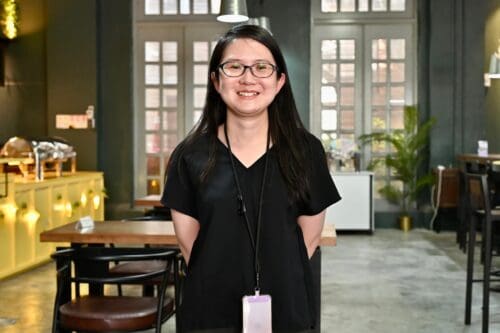
DIAGNOSED with dyslexia and attention-deficit/hyperactivity disorder (ADHD) at the age of eight, Lim Xin Ru has turned what many perceived as challenges into triumph, scoring 10As in the SPM results released on March 31.
The achievement came as a surprise to her, as she had only expected six or seven As.
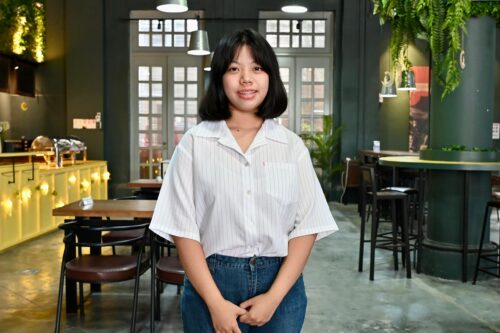
“I didn’t do well in my mid-year and trial exams. As a result, I could not sleep well every day after stopping all co-curricular activities in June. I kept asking myself, with such results, how could I proceed to university? Feeling stressed, I even told my parents that I might not get a single A.
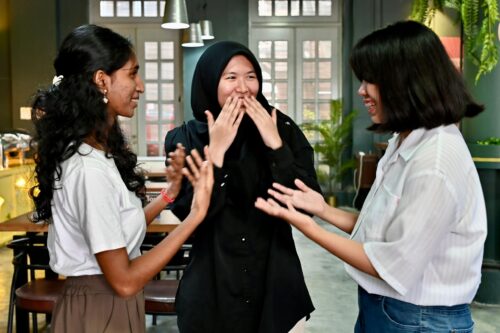
“So, when I checked my results online and saw that I had obtained 10As, I cried. It was beyond my expectations,” said Xin Ru, from SMJK Heng Ee Cawangan Bayan Baru, in an interview with Buletin Mutiara, arranged by the Penang Science Cluster alongside two other students – Salwa Muhd Firdaus Ooi and Sasiharini Manogaran.
Also present were PSC chief operating officer Aimy Lee and PSC programme consultant Dr Rebecca Ow Phui San.
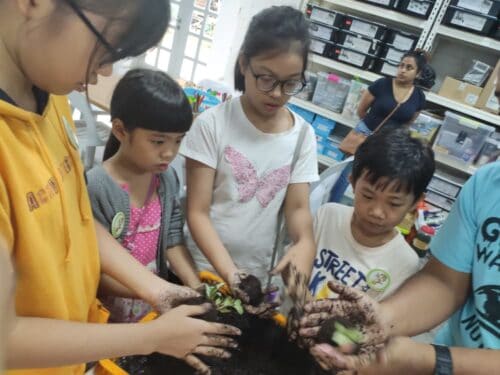
Due to dyslexia, Xin Ru struggled with reading and understanding words during her primary school years.
“Sometimes, I would see letters flying or floating off the page – the letter B might appear as D, and P as Q. At that time, I was too young to explain my difficulties to my parents,” she said.
Concerned about her reading challenges, her mother created flashcards with cartoon illustrations and images to help her learn spelling each week. Xin Ru later met a dedicated tuition teacher who patiently guided her in reading and essay writing during Standard Four and Five.
“I have not completely overcome my reading problem; sometimes I still confuse letters like B and D, or P and Q, or see letters ‘moving’. What I do is use a ruler to guide myself, reading one line at a time,” she said.
To Xin Ru, dyslexia is neither a major obstacle nor a disadvantage. She noted that notable figures such as Singapore’s founding Prime Minister Lee Kuan Yew and inventor Thomas Edison were also believed to have had dyslexia.
When asked what advice she would give others with dyslexia, she replied without hesitation: “Don’t give up. When I was diagnosed, my parents did not give up on me, my teachers did not give up on me, and I did not give up on myself. They helped me find solutions. In the end, you may achieve something beyond your expectations.”
Xin Ru joined PSC@Krystal in Bayan Lepas as early as Standard One, one of the satellite science café locations run by the Penang Science Cluster, which offers STEM programmes, workshops and platforms to foster innovation.
Her interest in STEM grew significantly in Standard Five after participating in Scratch programming projects. Coding, in particular, helped her stay seated and focused for extended periods — a significant breakthrough given her condition.
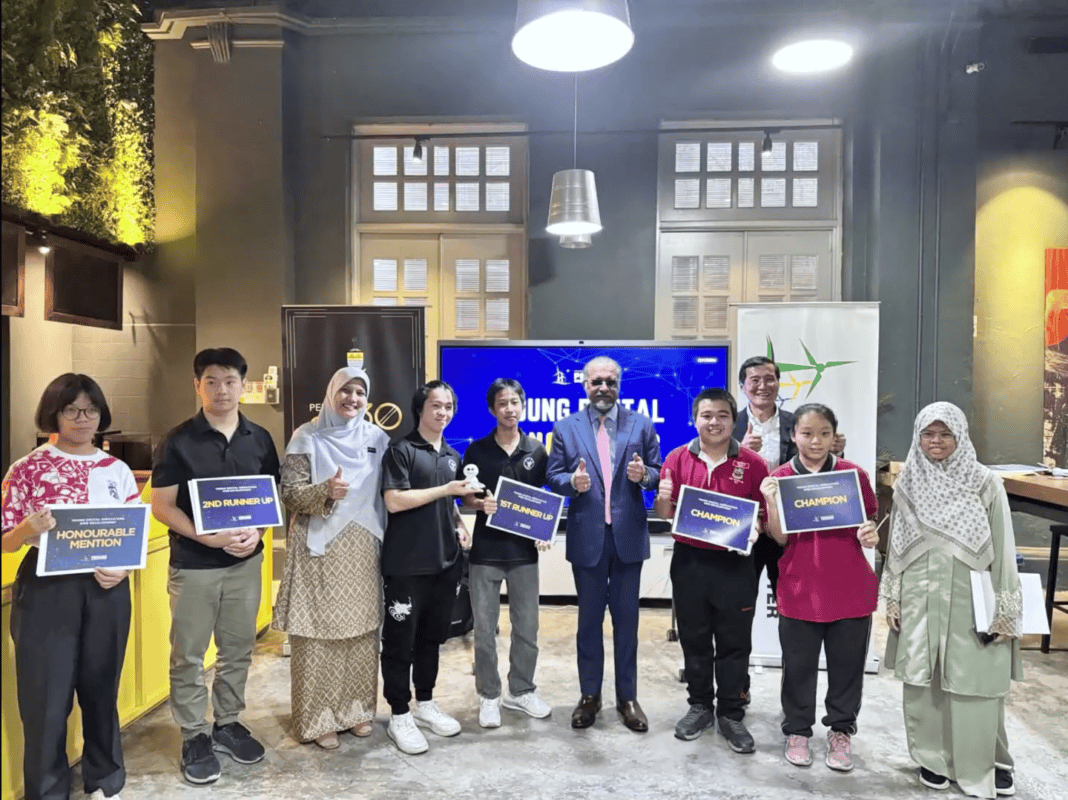
She entered her first competition in Standard Six but did not win. Undeterred, she continued competing from Form One through Form Five, eventually securing several wins, including in the Virtual Tech Mentor Robotics competition.
As a team leader, she took on greater responsibilities, often working on projects late into the night, from 10pm to 6am.
“We had to learn programming, mechanical design, electronic engineering, 3D printing and CAD design, while also managing social media and sponsorship applications, including liaising with companies,” she said.
In addition, she served as the conductor of her school’s Chinese orchestra, juggling multiple commitments and frequently missing classes due to long training sessions and competitions.
Despite the challenges, she said representing Malaysia at the FIRST Tech Challenge (FTC) World Championships in Houston, Texas, last year made it all worthwhile.
“It was a great opportunity provided by PSC. We met participants from countries such as China, Taiwan, the United States, Romania and Russia, and learned so much while competing against them.
“Although we did not win any awards, we gained valuable experience, which we later shared with our junior teams and students from other schools,” she said.
Looking ahead, Xin Ru plans to pursue computer science and is applying for matriculation and scholarships.
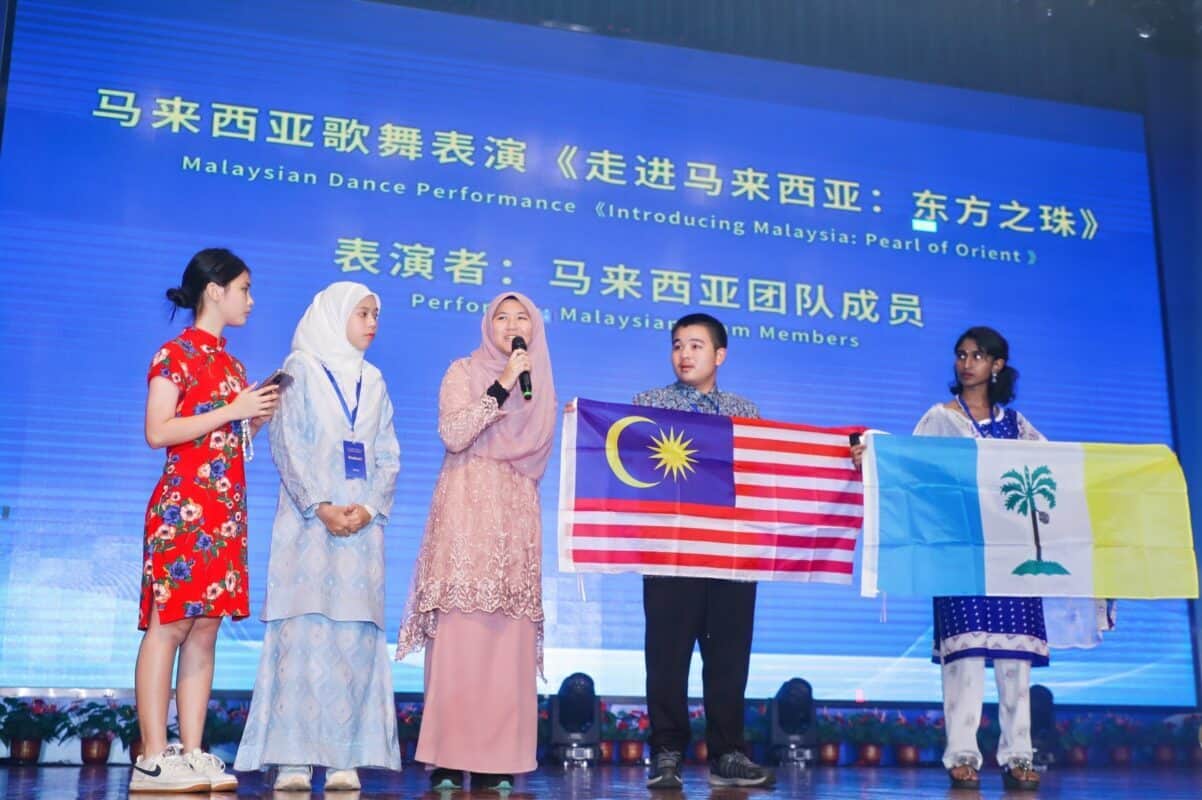
Salwa, of Chinese-Malay parentage from SMJK Jit Sin in Bukit Mertajam, scored an outstanding 9A+ and a B+ in Chinese in her SPM examination.
She said she had focused mainly on academics during primary school and had little exposure to STEM until Form One, when she joined her school’s STEM club and later discovered PSC through its online “Girls in STEM” programme during the pandemic.
“That was my first time learning coding and truly engaging with technology and engineering. PSC offers many free online courses, allowing students like me, despite financial constraints, to continue exploring STEM,” she said.
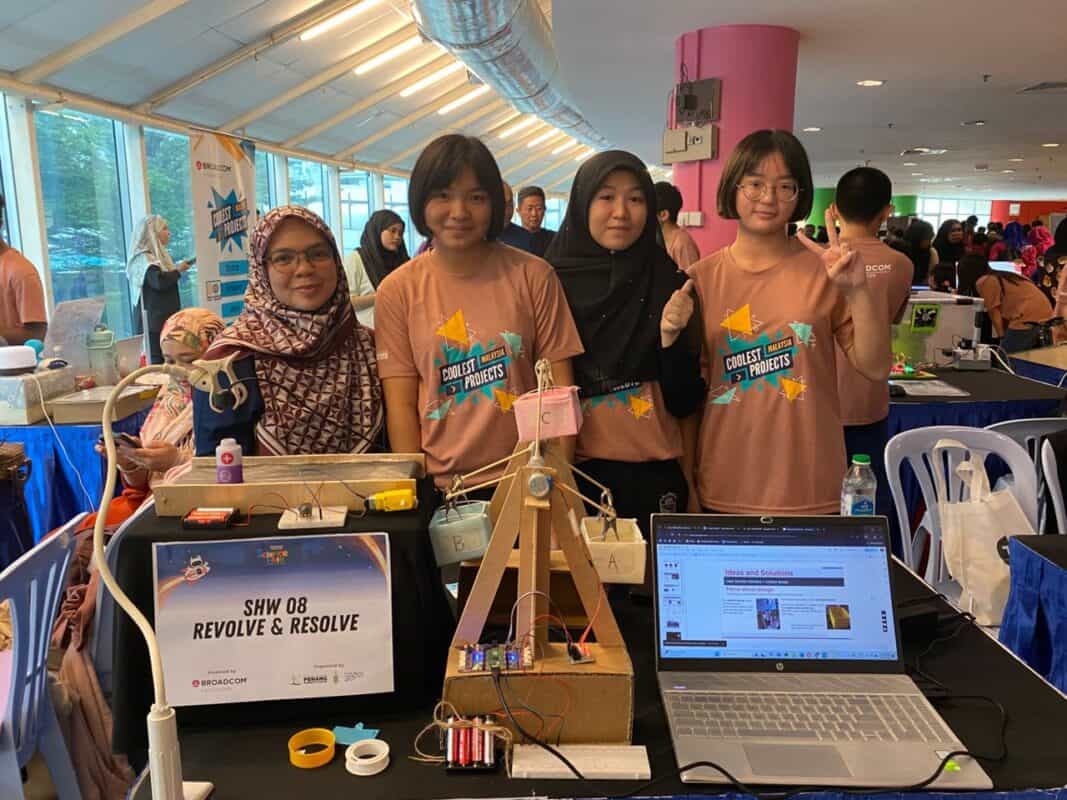
She actively participated in the programme from Form One to Form Three and later joined competitions, including completing a mechatronics project. In Form Four and Form Five, she took part in the Girls in Engineering and Tech (GET) programme.
“PSC allowed me to truly experience STEM and helped me discover a potential future direction,” she said, describing it as a turning point that boosted her confidence.
Currently serving as secretary of her school’s Maker Lab, Salwa has organised workshops and led projects that won the “Best Maker Lab School Workshop” award. While balancing projects and exams was challenging, she said it helped build resilience.
She is now considering pursuing chemical, electrical or electronic engineering at university.
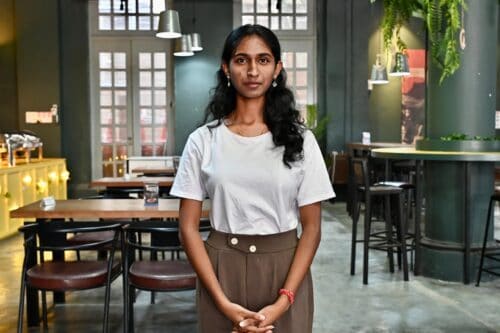
Sasiharini from St George’s Girls’ School, who scored 8As, aspires to pursue architecture.
She developed an interest in computer science and ICT as early as Year Four, drawn to how the field combines creativity and logic while fostering independent thinking.
In Form Four, she took up computer science and participated in PSC’s Girls in Engineering programme, a six-month course covering HTML, CSS, coding, public speaking and leadership.
“It allows me to learn new things over the weekends, helping me relax and reset. Overall, it has supported my computer science exams and coursework,” she said, adding that access to practical tools enriched her learning.
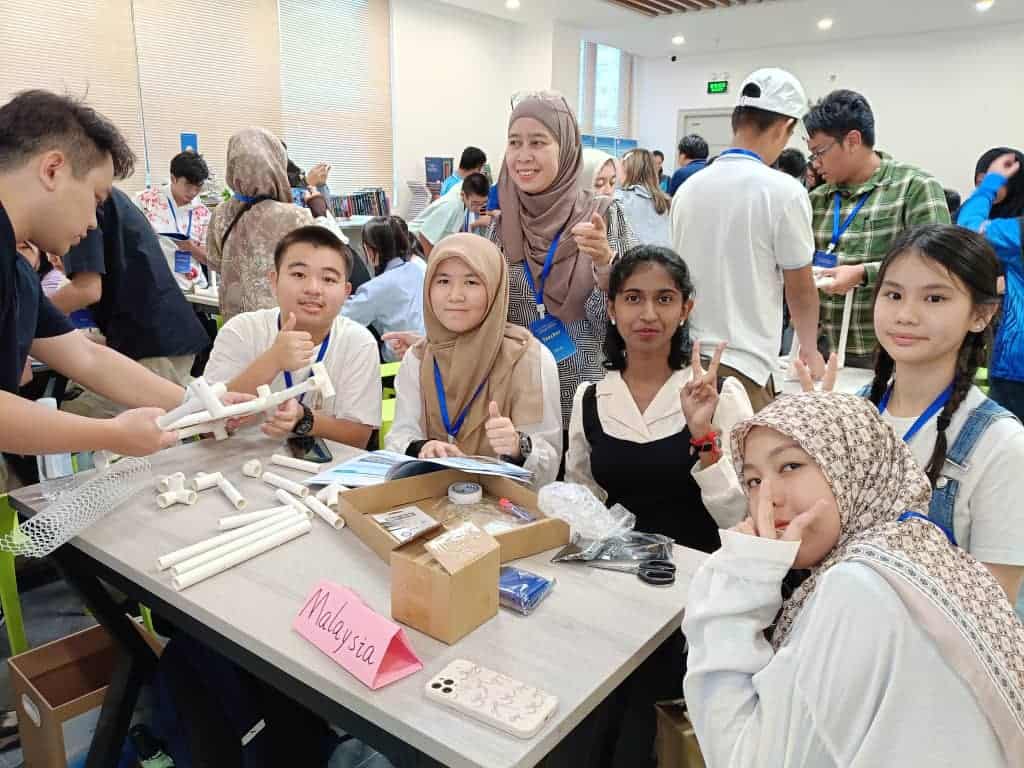
She is currently applying for A-Level scholarships and encourages students to look beyond academic results, noting that scholarships also value leadership, communication skills and co-curricular involvement.
PSC chief operating officer Aimy Lee said the organisation remains committed to delivering STEM education beyond the classroom.
She noted that students are given opportunities to visit factories, laboratories and institutions for real-world exposure.
“Recognising the limitations of classroom resources, PSC plays a crucial role by providing additional platforms to enhance students’ understanding of STEM and inspire creativity,” she said.
PSC also organises programmes such as overseas STEM and cultural exchange trips to China to broaden students’ perspectives.
“What matters is not just academic results, but also the experiences — late nights, effort, failure and even tears. These lessons help shape stronger individuals,” she said.
Lee expressed her delight at the students’ achievements and encouraged them to return as mentors in the future.
“Seeing our students grow and succeed validates that what we are doing is meaningful and worth continuing,” she added.
Story by K.H. Ong
Pix by Siti Nuratikah Rahmat and courtesy of the interviewees