

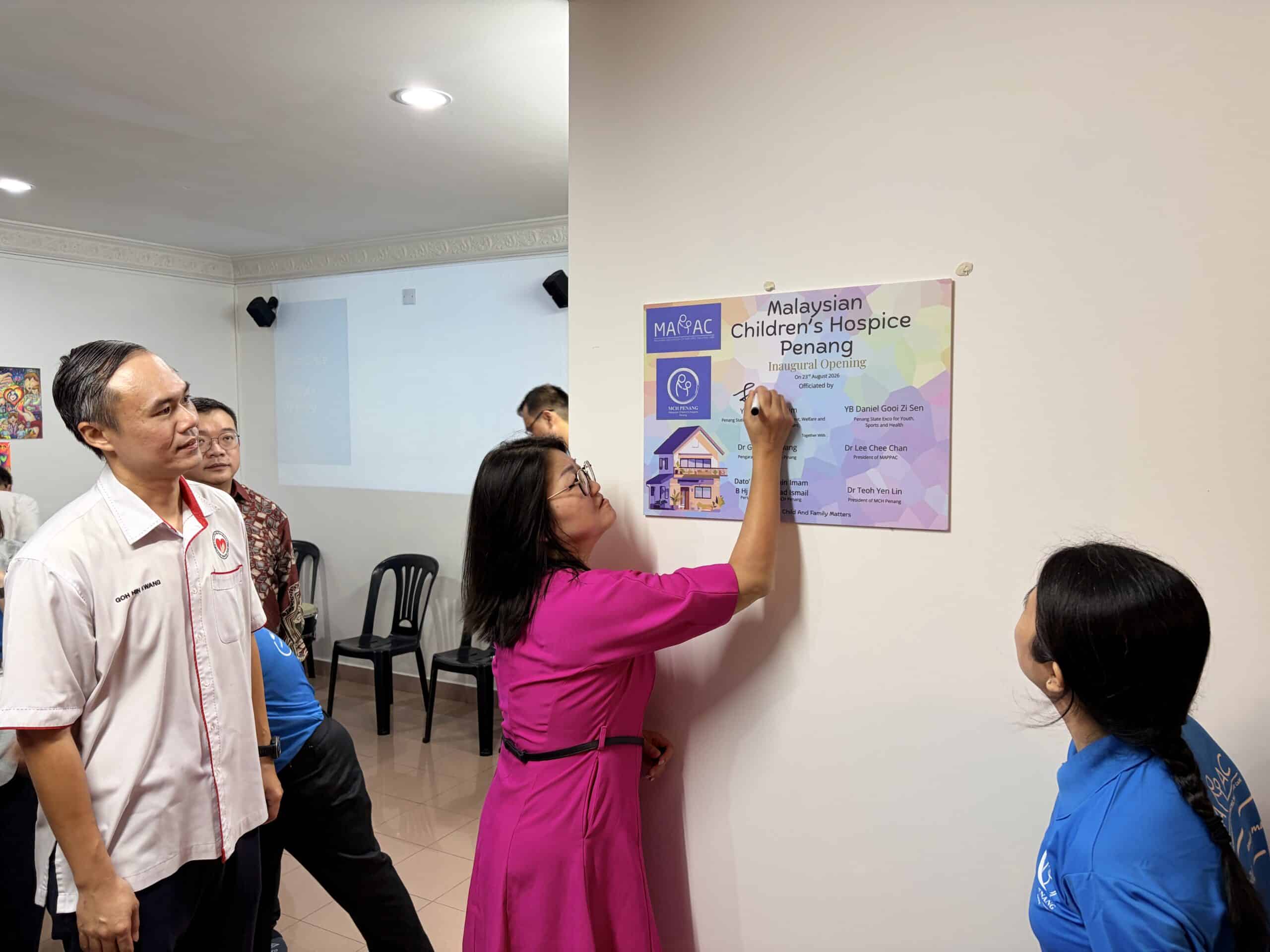

WITH a mission to ensure children with life-limiting conditions receive seamless and continuous care beyond the hospital, the Malaysian Children’s Hospice (MCH) Penang in Gelugor was officially opened today.
The hospice aims to bridge an important gap in paediatric palliative care by supporting children and their families as they transition from hospital-based treatment to receiving specialised care in the comfort of their own homes.
MCH Penang president Dr Teoh Yen Lin said the journey began on June 18, 2018, when a group of paediatricians trained in paediatric palliative care by the Ministry of Health joined the Malaysian Association of Paediatric Palliative Care (MAPPAC).
“Founded by MAPPAC chairman Dr Lee Chee Chan, our aim is to provide seamless, continuous care for children with life-limiting conditions as they transition from the hospital to their homes.
“This vital service is delivered through Malaysian Children’s Hospices. Our specialised doctors and nurses provide expert clinical assessments and medical management, while a dedicated network of volunteers helps secure the long-term funding needed to sustain our home-care programme,” she said during the opening ceremony.
The ceremony was officiated by Penang Social Development, Welfare and Non-Islamic Religious Affairs Committee chairman Lim Siew Khim, and was also attended by Penang Hospital director Dr Goh Hin Kwang.
Dr Teoh said MCH Penang’s home-care programme currently supports 25 patients, with 17 receiving active care.
“Every dollar raised, every hour volunteered and every staff member hired has led us to this very moment.
“Today, we do not just open a building; we open a sanctuary of comfort, dignity and specialised care for children and families who need it most.
“Thank you to our donors, volunteers, partners and staff. You are the foundation of MCH Penang,” she said.
Lim said a progressive society should not be measured solely by its infrastructure, but also by how it cares for and protects its most vulnerable members.
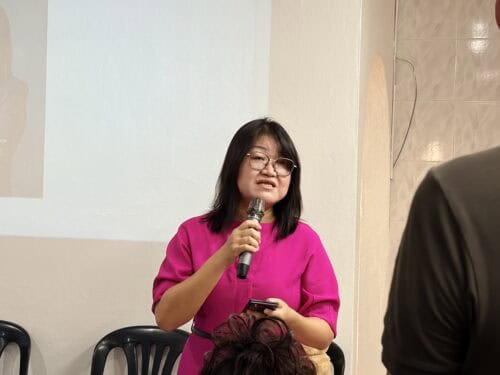
“When a child faces a life-limiting illness, the emotional, financial and physical toll on the family is unimaginable.
“Paediatric palliative care is a critical necessity. MCH Penang provides a sanctuary of dignity, comfort and unconditional love. You ensure that no family walks this painful path alone,” she said.
Lim stressed that behind every seriously ill child is a family particularly parents and caregivers who often shoulder a tremendous emotional, physical and financial burden.
“Supporting the child therefore also means supporting the parents, siblings and caregivers. Sometimes, what a family needs is not only medical care, but someone to listen, practical assistance, financial support, some time to rest and a community that understands.
“This is where social welfare and community support become important. Community inclusion means making sure that these children and their families are not left at the margins of society simply because their journey is different from ours,” she said.
She added that building an inclusive community meant ensuring families could continue to participate, connect and feel a sense of belonging even when life became more challenging.
“Care should not end at the hospital door. It should follow the child home, reach the family and extend into the community.
“Ultimately, it is about making sure that no child is left out and no family feels that they have to walk this journey alone,” she stressed.
Lim also reaffirmed the Penang government’s commitment to working closely with non-governmental organisations (NGOs), describing them not as external organisations but as vital partners in strengthening community welfare.
“We view you as vital partners in community welfare. Our bond with MCH Penang is deep and enduring.
“We have stood by your side from the very beginning, witnessing your remarkable growth,” she said.
Lim said Penang aspired to build a compassionate society where no one was left to face life’s most difficult journeys alone.
“That is why the state government works closely with the Penang State Health Department and our healthcare and welfare partners to support families in need,” she said.
Story by Riadz Akmal