

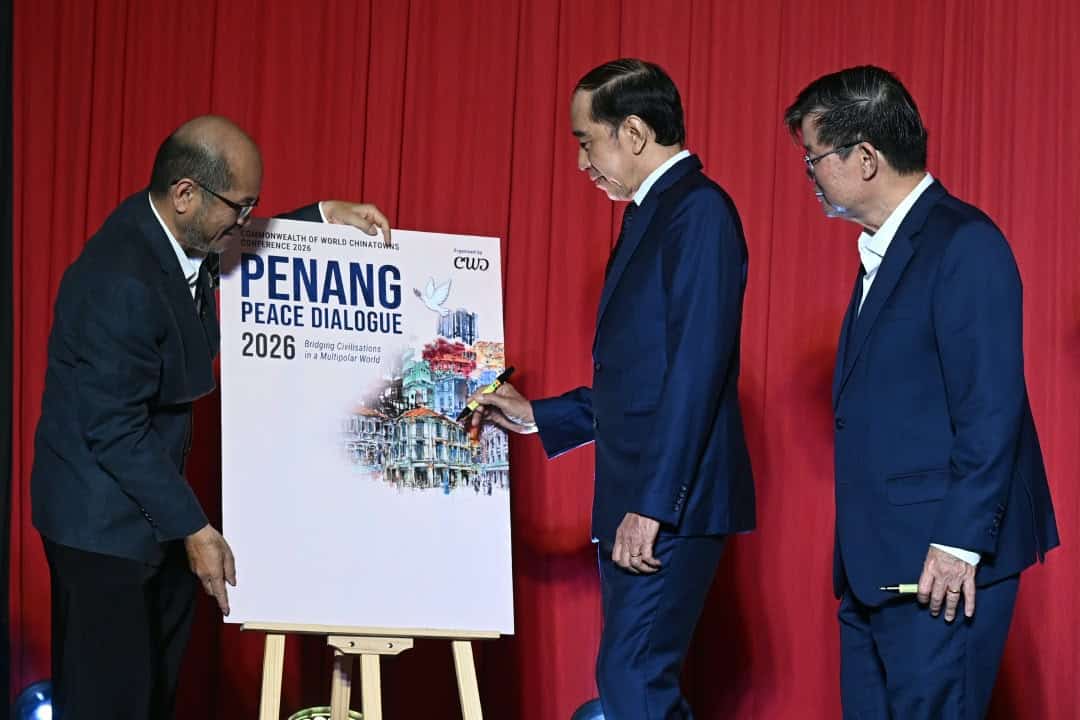

TRUST must become an “infrastructure of cooperation” in an increasingly multipolar world, as countries navigate growing strategic rivalry and diverging interests, says Chief Minister Chow Kon Yeow.
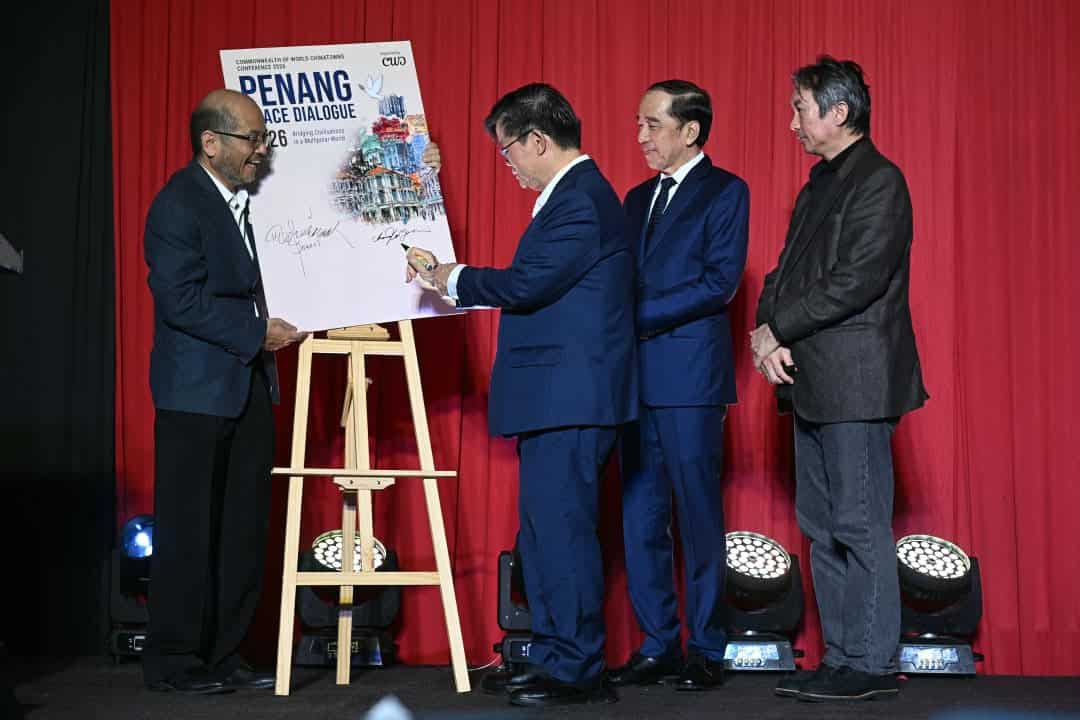
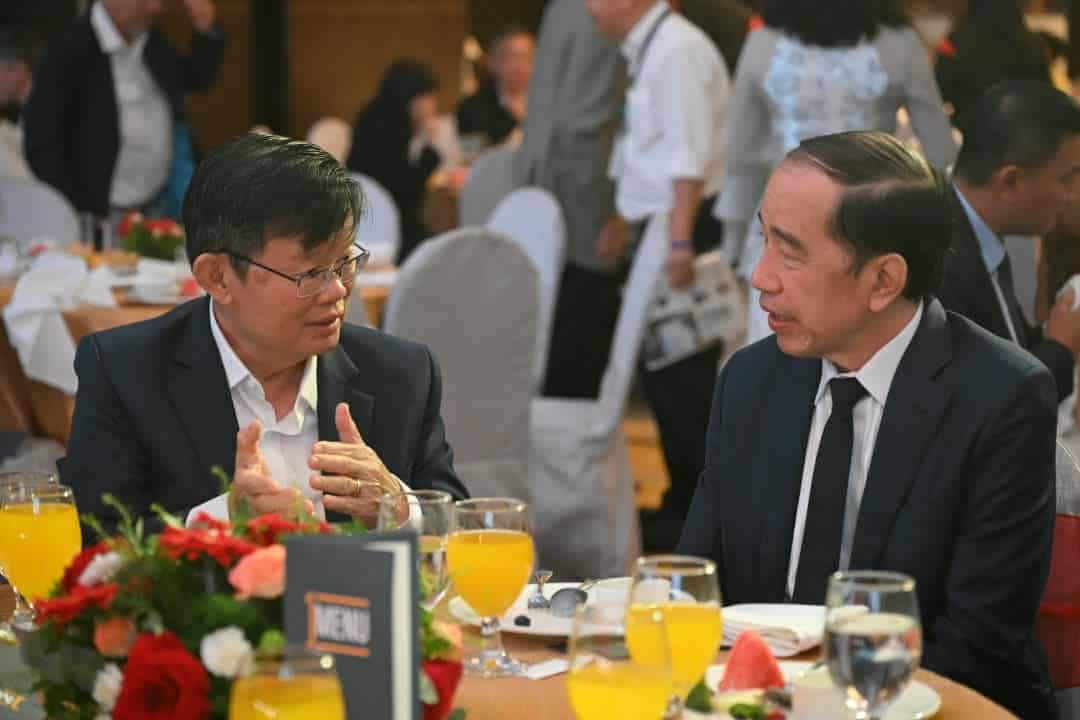
Speaking at the Penang Peace Dialogue 2026 at the Jen Hotel George Town by Shangri-La this evening, Chow said dialogue remains essential in keeping countries and societies connected, with former Indonesian president Joko Widodo among the distinguished guests at the gathering.
He said while infrastructure has traditionally been regarded as the foundation of connectivity, trust is increasingly essential to keeping countries together when their interests begin to diverge.
“Connectivity can bring countries together, but trust is what allows them to remain together when interests begin to diverge,” he said in his welcome address.
Chow said dialogue does not require countries or societies to agree on everything, but called for an ability to understand differing interests, maintain open communication and identify areas where cooperation remains possible.
He said this made the theme of the dialogue, “Bridging Civilisations in a Multipolar World”, particularly relevant.
“We are not here to make different societies think alike, but to better understand one another and find ways to work together despite our differences,” he said.
Chow said the world is increasingly connected economically and technologically, while at the same time becoming more divided by geopolitical competition, strategic rivalry and uncertainty.
He said Penang is an appropriate place for such a conversation, given its history as a meeting point for people, cultures, religions, ideas and trade from across Asia and beyond.
“Different peoples do not have to become the same to build something together,” he said, describing this as one of the lessons Penang brought to the dialogue.
Chow said peace is not simply the absence of conflict, but the ability of different peoples to live, work and prosper together despite their differences.
Today, that experience also has an economic dimension, with Penang’s manufacturing, semiconductor and technology sectors deeply connected to markets across Asia and beyond.
Chow said this interdependence creates both opportunities and vulnerabilities, with stability allowing trade and investment to flourish while deepening divisions can quickly disrupt supply chains across borders.
He said the key question is no longer simply whether the world is connected, but whether those connections can withstand greater strategic rivalry and diverging interests.
Addressing Widodo, Chow said Indonesia brought a particularly relevant perspective to the discussion, citing the 1955 Bandung Conference as an example of countries with different histories, political systems and interests coming together to find principles for coexistence without surrendering their independence.
He said that although the circumstances had changed more than seven decades later, the challenge remains familiar — how to protect national interests while keeping the door to cooperation open.
“From Bandung to ASEAN today, Indonesia has continued to play an important role in shaping that conversation,” he said, adding that Penang is honoured to have Widodo’s experience and perspective at the dialogue.
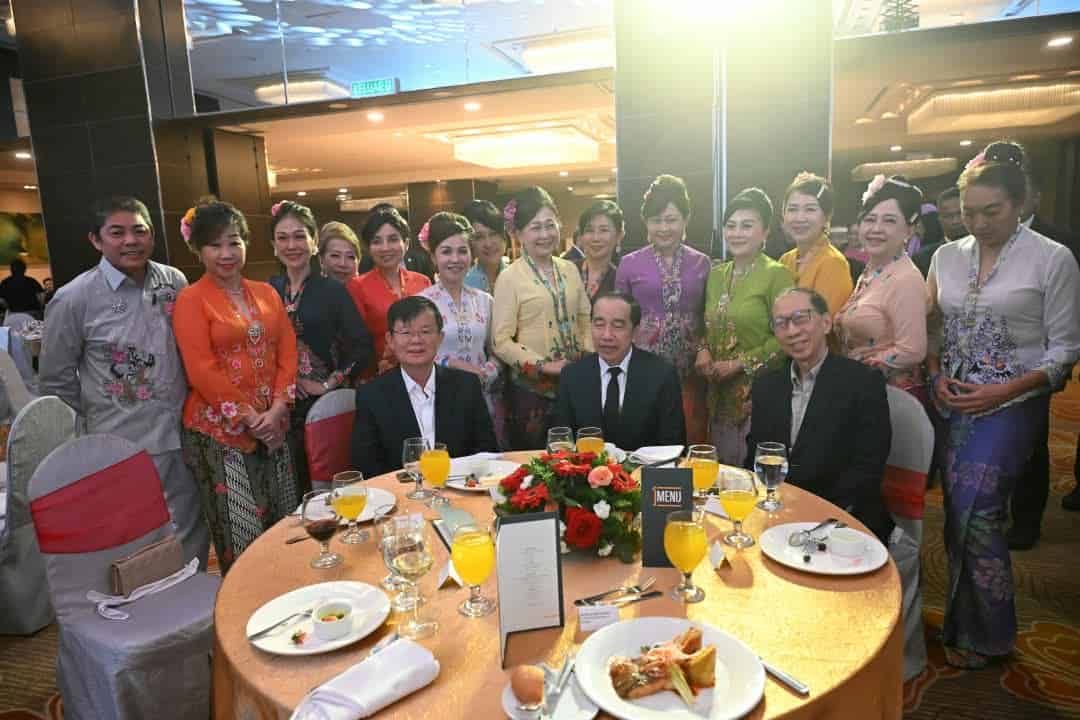
Chow expressed hope that the gathering would go beyond exchanging views and instead create opportunities for people who might not normally meet to build relationships and continue discussions beyond the event.
“Perhaps the success of a peace dialogue should not be measured by whether we leave with the same view, but by whether we leave more willing to listen to someone whose view is different from our own, and more prepared to find common ground,” he said.

Chow said Penang’s contribution to the wider conversation is to demonstrate that societies can remain open to the world without losing their identity, and can be different without being divided.
“Peace depends not on eliminating our differences, but on having the trust and wisdom to manage them and continue working together,” he said.
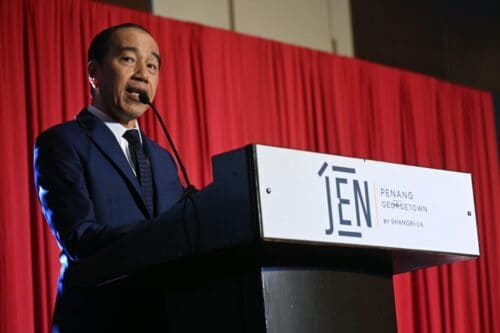
Meanwhile, Jokowi, in his speech, said peace begins with the willingness to listen and the courage to understand one another, especially as leaders and people navigate an increasingly challenging world.
He added that leaders have an important role to play in building a peaceful future, but leadership is not merely about strategy and power.
“A leader is not only someone who understands strategy and power, but someone who truly understands their people, who listens to them, feels their concerns, understands their problems, and works for their future,” he said.
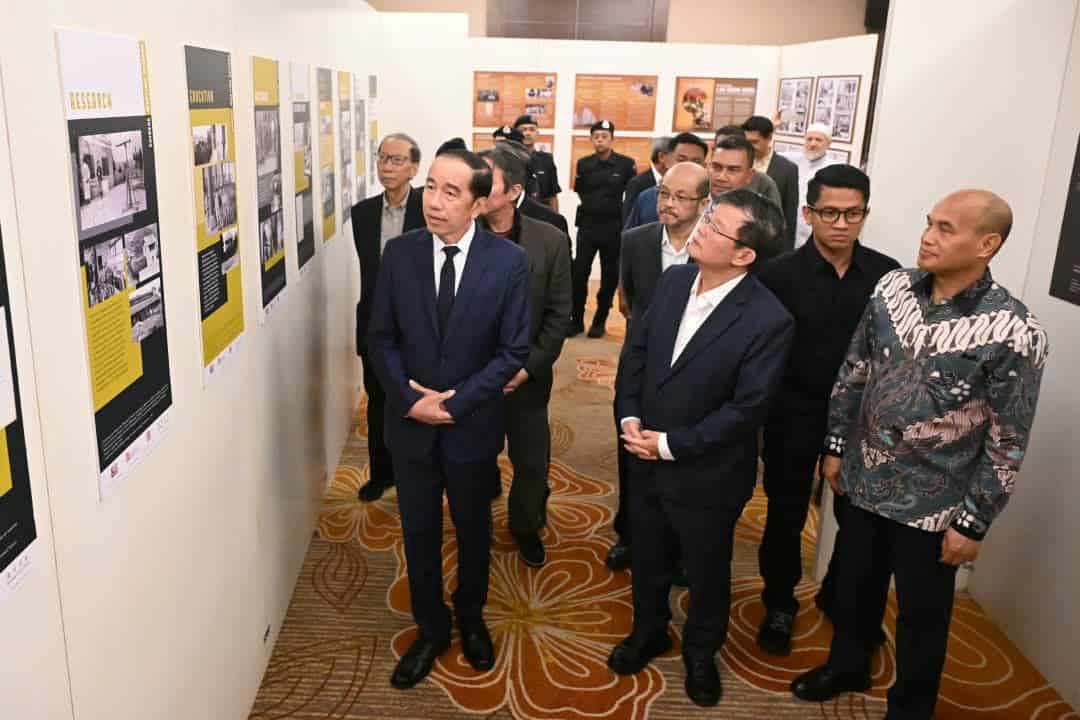
Jokowi said people, too, have an important role to play by understanding the direction and challenges faced by their leaders.
“When people understand, passion grows. When people trust, support follows. And when leaders and people truly understand each other, that is where the foundation of peace comes,” he said.
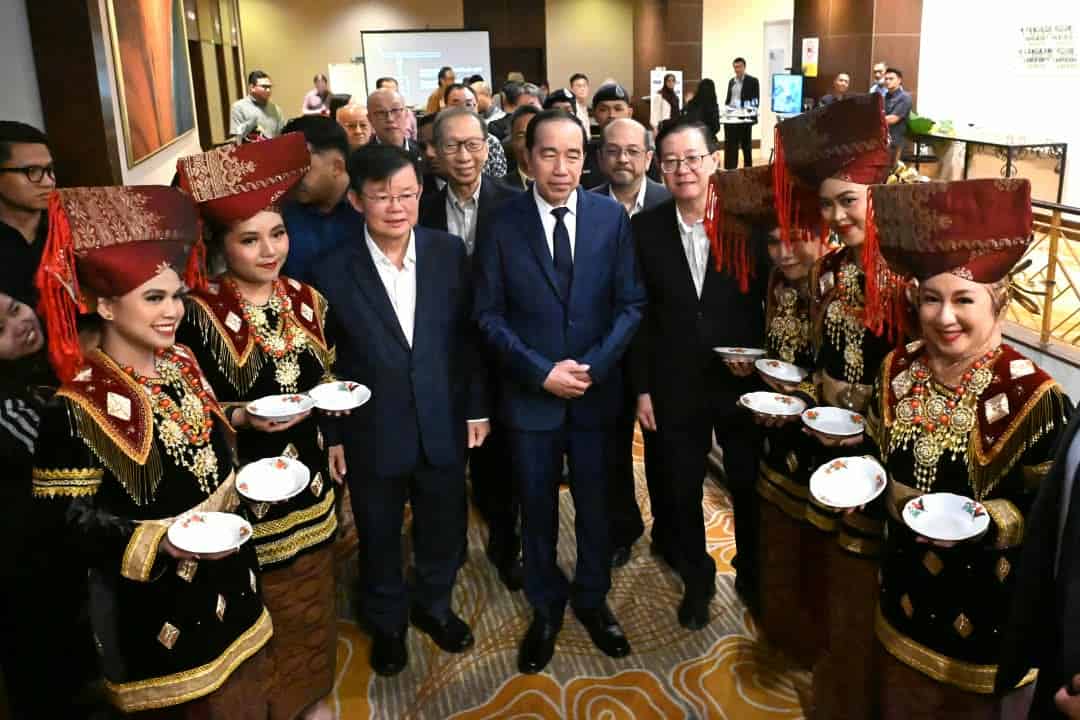
He said the dialogue provides an opportunity for participants to share ideas, learn from one another and work together towards peace and a better future.
“Peace always comes from hearts willing to listen, and from the courage to understand,” he said.

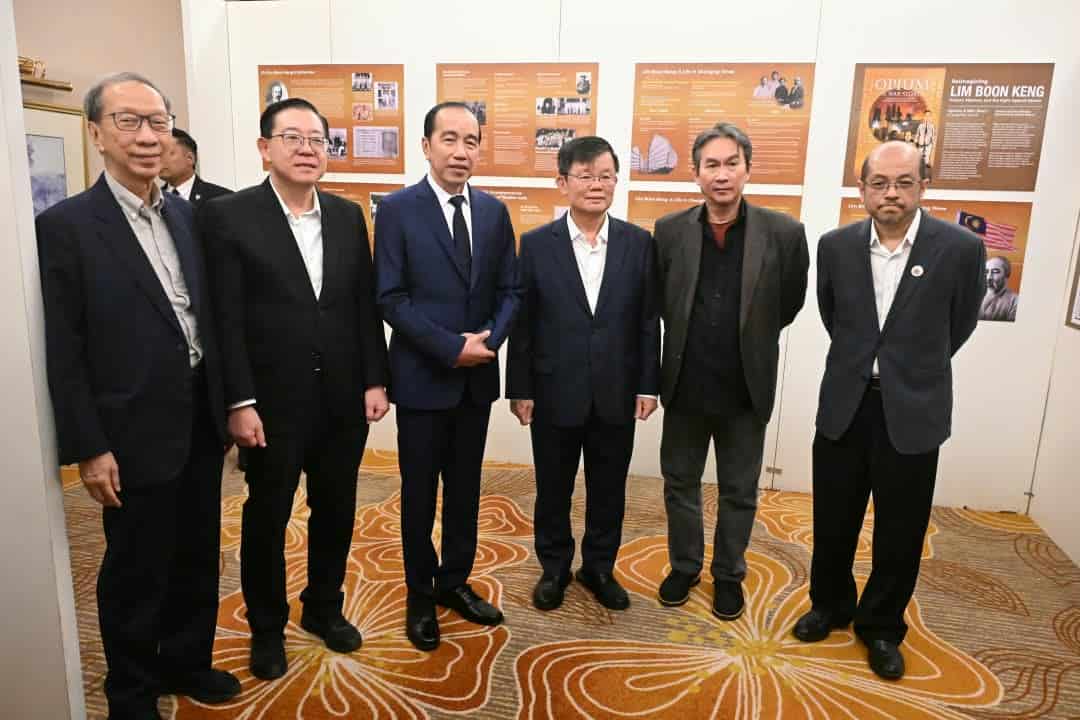
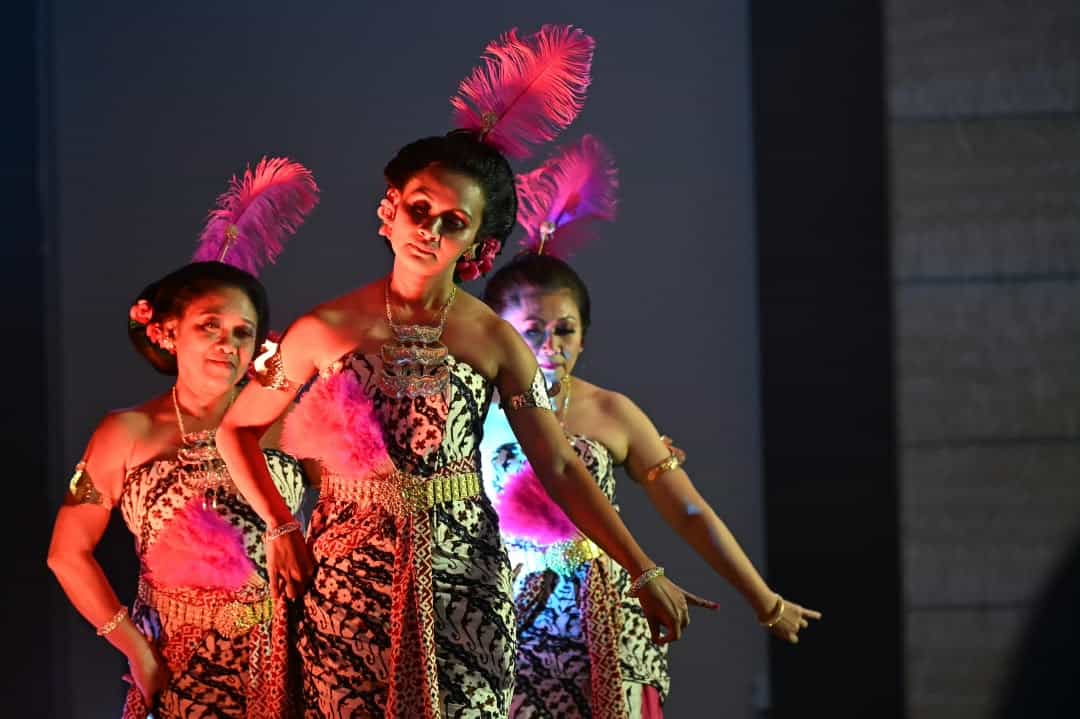
Aside from listening to the keynote speeches, attendees were also entertained by cultural performances and a lively musical show titled Banquet with Boon Keng, which tells the true story of Dr Lim Boon Keng, a Peranakan war hero, focusing on his life, love, and the trials and tribulations he endured. His great-granddaughter, Stella Kon, wrote the musical.
During the dinner, visually impaired Chew Kheng Chuan spoke about the Gaza Scholarship Initiative before inviting Palestinian student Nour to share her heart-wrenching story of losing all her family members in the conflict and her gratitude for receiving a scholarship to study in Malaysia.
Also present were former chief ministers Lim Guan Eng and Tan Sri Dr Koh Tsu Koon, organising chairman Winfred Khoo, Commonwealth of World Chinatowns (CWC) co-founder Lee Khai, Penang Hill Corporation general manager Datuk Cheok Lay Leng, distinguished guests and prominent speakers.
Story by K.H. Ong
Pix by Mohamad Iqbal Hamdan